

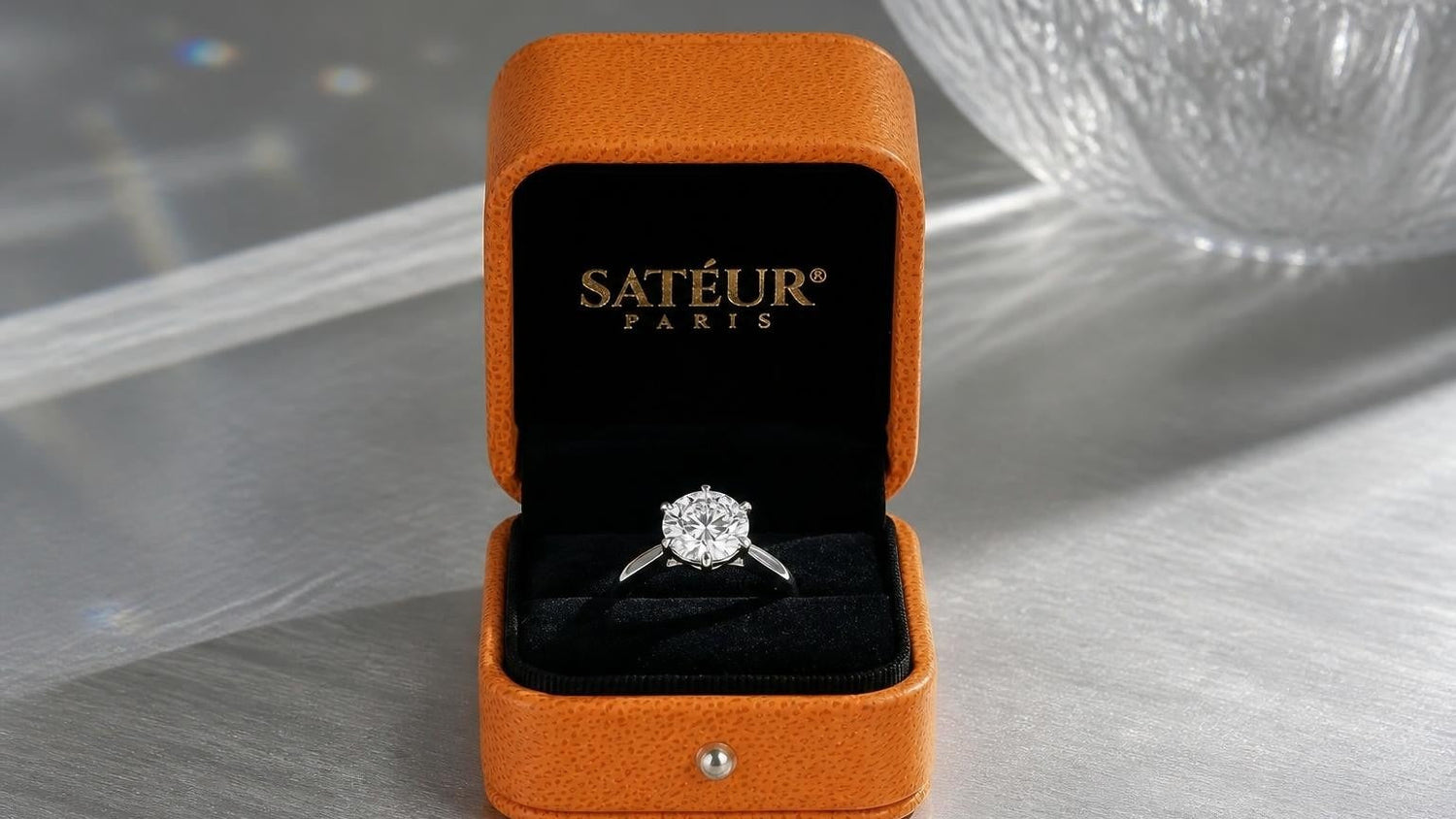
How Are Lab Grown Diamonds Made
Lab grown diamonds are made by recreating the exact conditions that form diamonds inside the earth — extreme heat and pressure, or a carbon-rich gas — inside a controlled chamber. There are two methods: High Pressure High Temperature (HPHT) and Chemical Vapor Deposition (CVD). Both start with a tiny diamond seed and grow real diamond around it, atom by atom. The result is the same crystal of pure carbon that a mine produces. The only difference is time: weeks in a lab rather than billions of years underground.
This is not a substitute or a stand-in. A lab grown diamond is chemically, physically, and optically a diamond — Mohs hardness 10, identical brilliance, gradable on the same Four Cs, and certifiable by the same independent institutes. Below is precisely how each method works, how long it takes, and what the finished stone actually is.
Key Takeaways
- Lab grown diamonds are real diamonds — pure crystallized carbon with a Mohs hardness of 10, identical to mined stones.
- Two methods create them: HPHT (high pressure, high temperature) and CVD (chemical vapor deposition).
- Both begin with a diamond seed and grow a full stone in roughly one to four weeks, not billions of years.
- The finished diamond is graded on the same Four Cs and certified by the same bodies — IGI and GIA.
- No naked-eye difference exists between a lab grown and a mined diamond of equal grade.
- A Satéur lab diamond begins near $88 — about 1% of a comparable mined diamond's price.
How Lab Grown Diamonds Are Created
Every lab grown diamond begins with two things: a source of pure carbon and a diamond seed. The seed is a thin slice of an existing diamond — a template that tells incoming carbon atoms how to arrange themselves. Carbon naturally crystallizes into the diamond lattice only under specific conditions, so the entire science of growing a diamond is the science of recreating those conditions reliably.
In the earth, that meant temperatures above 1,000°C and pressures equal to hundreds of tonnes pressing on a single point, sustained across geological time. A laboratory cannot wait billions of years, so it does something cleverer: it engineers the same atomic outcome through controlled, repeatable processes. The carbon still bonds into the same rigid, transparent crystal. The lattice is the same. The hardness is the same. What changes is the path, not the destination.
Two routes dominate the industry, and they take opposite approaches. HPHT squeezes carbon into diamond under brute force. CVD coaxes carbon out of a gas, layer by layer. Both produce gem-quality stones, and both are now mature, certified technologies.
CVD and HPHT Production Methods
The two methods differ in how they deliver carbon to the seed and how they force it to crystallize. Understanding them is the clearest way to understand what a lab diamond actually is.
The HPHT Method
High Pressure High Temperature is the older of the two methods, and it mirrors the geology of the earth most directly. A diamond seed is placed alongside a refined carbon source — usually high-purity graphite — inside a growth cell. A large press then applies pressure around 1.5 million pounds per square inch while heating the chamber past 1,300°C.
Under that load, the carbon source dissolves into a molten metal flux and migrates toward the cooler seed. There it deposits onto the lattice, and a single diamond crystal grows outward from the seed. Depending on the target size and quality, an HPHT diamond forms over several days to a few weeks. HPHT presses come in a few designs — belt, cubic, and split-sphere — but the principle is identical: extreme, even pressure and heat, sustained until the crystal reaches size.
The CVD Method
Chemical Vapor Deposition is the newer, more precise approach, and it is where much of the industry's recent growth has happened. A thin diamond seed sits inside a sealed vacuum chamber. The chamber is filled with a carbon-rich gas, typically methane combined with hydrogen, and then energized — usually by microwaves — until the gas ionizes into a glowing plasma.
The energy strips carbon atoms from the gas. Those atoms rain down onto the seed and bond to the existing lattice, building the diamond upward one atomic layer at a time. A gem-quality CVD diamond typically takes one to three weeks to complete. Because the process is built on controlled gas chemistry rather than raw force, CVD offers fine command over purity and is well suited to growing larger, high-clarity stones. Many CVD diamonds are then briefly treated with HPHT-style heat to optimize colour — a finishing step, not a separate stone.
From Rough Crystal to Finished Diamond
What emerges from either process is a rough diamond — an uncut crystal, exactly as a mine produces. From there, the journey is identical to a natural stone's. The rough is studied, mapped, and planned to preserve the most weight and brilliance.
It is then cleaved or sawn, bruted into a rounded outline, and faceted on a spinning wheel coated with diamond dust — because only a diamond can cut a diamond. A skilled cutter places each facet to a precise angle so the finished stone returns the maximum light. Finally it is polished, and the Four Cs — cut, colour, clarity, and carat — are assessed. The same craft, the same tools, the same standards a century-old mined-diamond trade has always used.

How Long Does It Take to Grow a Lab Diamond
The headline difference between a lab grown and a mined diamond is time. A natural diamond forms over one to three billion years deep in the earth's mantle. A laboratory compresses that into a matter of weeks.
A CVD diamond generally grows in one to three weeks. An HPHT diamond forms over several days to a few weeks, scaling with the size and quality targeted. Larger and cleaner stones take longer in both methods, because growth must stay slow and steady to keep the lattice flawless. The biology of impatience is the same in every chamber: rush the crystal and you compromise the clarity.
Growth Time at a Glance
- CVD: approximately 1–3 weeks for a gem-quality stone.
- HPHT: several days to a few weeks, depending on size.
- Mined diamond: roughly 1–3 billion years.
Lab Diamond vs. Mined Diamond
Once cut and certified, a lab grown diamond and a mined diamond of the same grade are indistinguishable with the naked eye. They share the same chemical composition, the same crystal structure, the same optical behaviour, and the same Mohs hardness of 10. The difference lives on the grading report's origin line, not in the stone.
| Property | Lab Grown Diamond | Mined Diamond |
|---|---|---|
| Composition | Pure crystallized carbon | Pure crystallized carbon |
| Hardness (Mohs) | 10 | 10 |
| Brilliance & fire | Identical | Identical |
| Formation time | 1–4 weeks | 1–3 billion years |
| Grading standard | Four Cs | Four Cs |
| Certification | IGI, GIA | IGI, GIA |
| Visible difference | None to the naked eye | None to the naked eye |

For couples who want a genuine diamond without the inherited markup, this is the quiet revolution. The look is not approximated — it is the real thing, grown rather than excavated. To see how the stones line up in detail, read our full comparison of a lab diamond against the traditional alternative.
Are Lab Grown Diamonds Certified
Yes. Lab grown diamonds are graded and certified by the same independent gemological institutes that grade mined diamonds — most commonly the International Gemological Institute (IGI) and the Gemological Institute of America (GIA). The report documents the same Four Cs and notes the stone's laboratory origin, exactly as a mined report notes its natural origin.
Certification is what turns a beautiful crystal into a confident purchase. It is the independent record that the colour, clarity, cut, and carat weight are what the seller claims. Every Satéur lab diamond is IGI-certified, so the stone you wear is documented to the same standard as any fine diamond in the world.
Satéur Lab Diamond Value
Knowing how lab grown diamonds are made answers the deeper question buyers really have: if it is the same diamond, why does it cost so much less? Because you are paying for a stone, not for scarcity. Growing a diamond in weeks removes the mining, the supply control, and the generations of markup built into the traditional trade — without touching the diamond itself.

Satéur Destinée Diamond Ring
A real, IGI-certified lab-grown diamond, hand-set in solid 18K gold — a fraction of the mined-diamond price.
Compare to a $10,000 mined diamond
Joined by 100,000+ couples across 150+ countries.
Shop the Destinée Diamond RingFree worldwide shipping · 30-day returns · Lifetime Satéur Care
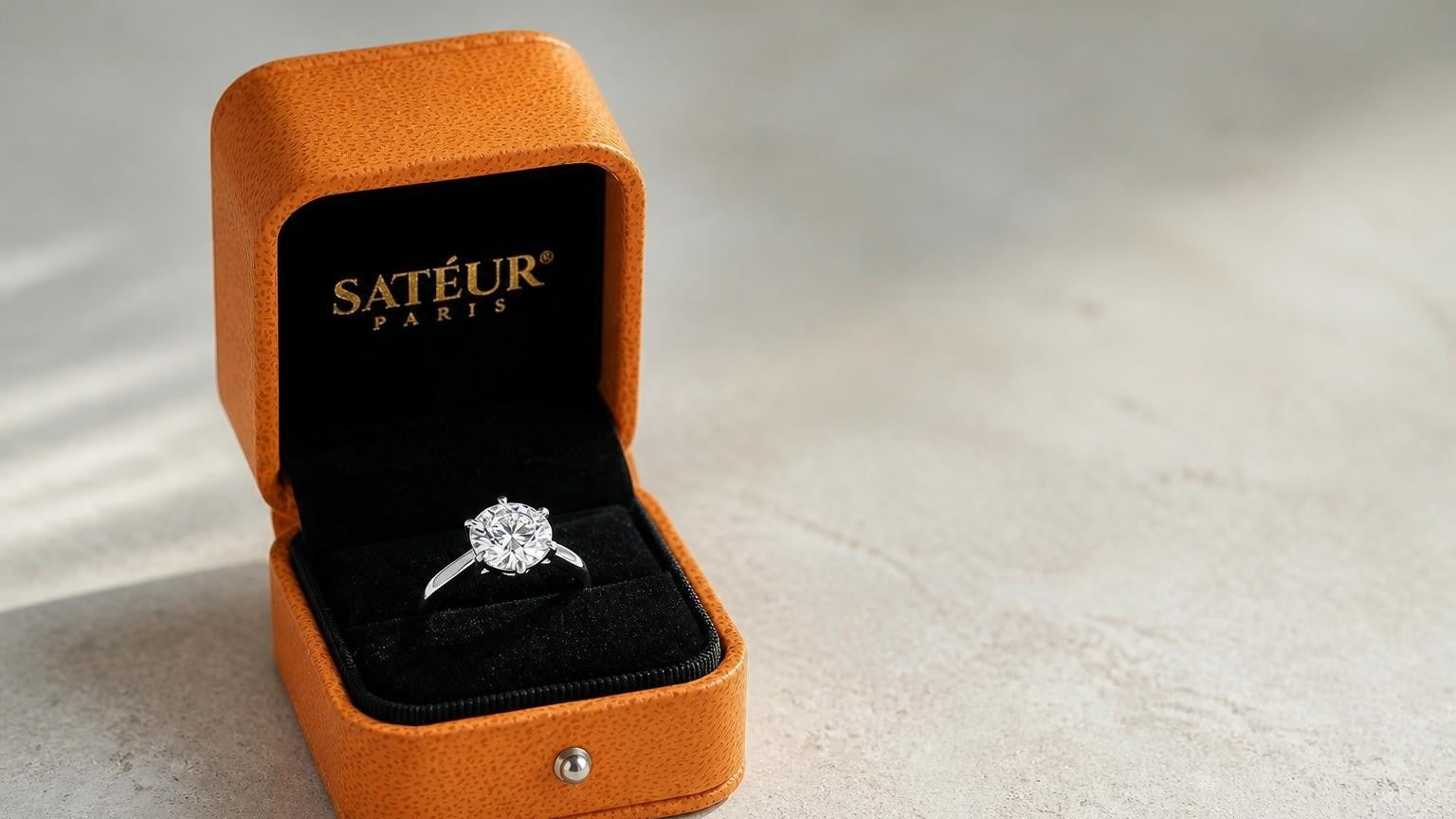
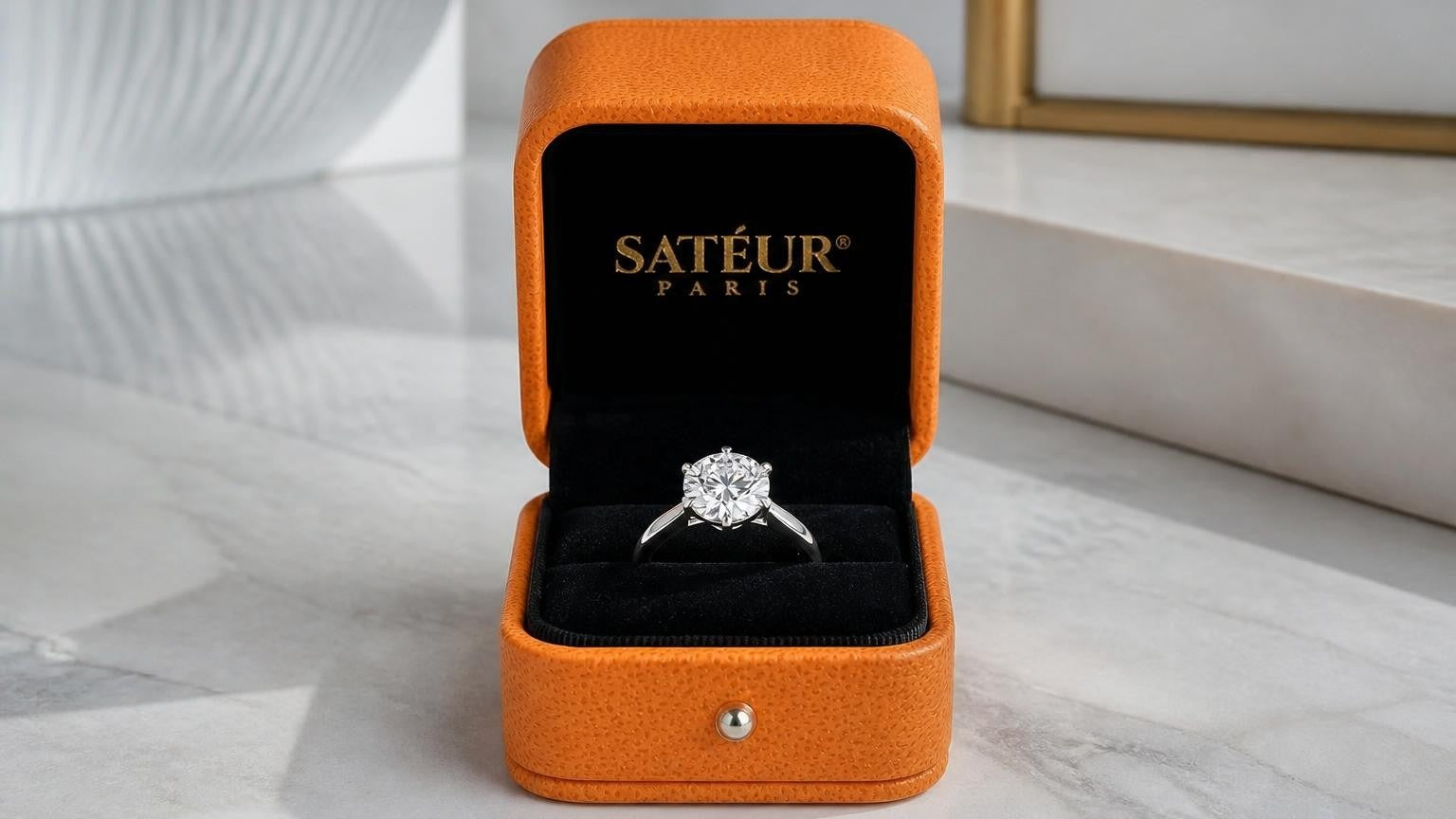
This is the thinking behind The 1% Ring® — the icon that started the movement. A 1.00 carat round-cut lab diamond, D–E colour and Excellent cut, set in solid 18K white gold, beginning near $88. Compare that to a comparable mined diamond and the gap is roughly 99%. The brilliance is not reduced. The price is. That is The New Diamond Standard®.

For couples building toward a larger centre stone, our 3 carat lab grown diamond ring collection scales the same certified science up. And to explore the full range of certified lab created diamond rings, the entire estate is one click away.
Frequently Asked Questions
What is the difference between CVD and HPHT lab diamond production?
HPHT (High Pressure High Temperature) grows a diamond by dissolving a carbon source in molten metal under enormous pressure and heat, letting it crystallize onto a seed — it mirrors how diamonds form in the earth. CVD (Chemical Vapor Deposition) grows a diamond from a carbon-rich gas energized into plasma in a vacuum chamber, depositing carbon onto the seed one atomic layer at a time. Both yield real, gem-quality diamonds; CVD offers finer control over purity and large, high-clarity stones, while HPHT is the older, force-based route.
How long does it take to grow a lab diamond?
A gem-quality CVD diamond typically takes one to three weeks. An HPHT diamond forms over several days to a few weeks, depending on the target size and quality. Larger, cleaner stones take longer because growth must stay slow to keep the lattice flawless. By comparison, a mined diamond forms over roughly one to three billion years.
Are lab-grown diamonds certified by independent gemological institutes?
Yes. Lab grown diamonds are graded and certified on the same Four Cs by the same independent institutes that grade mined diamonds, most commonly IGI and GIA. The report records colour, clarity, cut, and carat weight, and notes the stone's laboratory origin. Every Satéur lab diamond is IGI-certified.
Can a lab diamond be distinguished from a mined diamond without specialist equipment?
No. A lab grown and a mined diamond of the same grade are identical in composition, brilliance, and hardness, with no difference visible to the naked eye. They share the same crystal structure and the same Mohs hardness of 10. The origin is documented on the grading report rather than seen in the stone.
What colour and clarity grades are available in lab-grown diamonds?
Lab grown diamonds span the full grading range, from D (colourless) through the lower colour grades, and clarity from flawless through included — the same scale used for mined diamonds. Satéur lab diamonds are graded D–E colour with Excellent cut, placing them at the high, colourless end of the spectrum.
How much does a lab-grown diamond cost compared to a mined diamond?
A lab grown diamond costs a small fraction of a comparable mined stone — for the same diamond, you pay for the gem rather than for scarcity and generations of markup. A Satéur lab diamond begins near $88, roughly 1% of a comparable mined diamond's price, while delivering certified D–E colour and Excellent cut.

















Laat een reactie achter
Deze site wordt beschermd door hCaptcha en het privacybeleid en de servicevoorwaarden van hCaptcha zijn van toepassing.