

Freedom Ring: Meaning, History, and Symbolic Jewelry Design
A freedom ring is a piece of jewellery worn to mark a moment of personal liberation — a divorce finalised, a chapter closed, a self reclaimed. It has no single origin story, but its meaning is consistent across the cultures and decades that adopted it: the ring belongs to the wearer alone. It is not an obligation. It is a declaration.
The history of freedom rings in American jewellery culture stretches from late-20th-century artistic movements through to the modern self-purchase trend. Today, they sit alongside promise rings and anniversary bands as one of the most personal categories in fine jewellery — and one of the fastest-growing.
Key Takeaways
- Freedom rings emerged as symbolic jewellery in late 20th-century American art and civic culture, representing personal liberty.
- Modern freedom ring designs range from minimalist engraved bands to full-carat diamond-look solitaires.
- Common metals include sterling silver, 18k gold finish, and white gold; gemstone choices span coloured stones to colourless simulants.
- Satéur Gems® entry-level rings begin at approximately $138 — the look of a flawless diamond at roughly 1% of mined diamond cost.
- D-E colour and Excellent cut specifications deliver a flawless appearance to the naked eye, comparable to premium diamond aesthetics.
- A freedom ring can be personalised with initials, dates, or symbolic stone choices to make it a lasting personal artefact.
What Is a Freedom Ring
A freedom ring is any ring worn as a symbol of personal independence. The term covers several distinct traditions. In American civic art history, freedom rings have appeared as commemorative pieces marking political milestones and civil-rights anniversaries. In contemporary jewellery culture, the phrase has migrated toward something more intimate: a ring you buy for yourself, to mark your own next chapter.
The left hand and the right hand carry different social weight. Rings worn on the right hand — free of the engagement and wedding conventions of the left — have long functioned as self-statements. A freedom ring typically lives there: visible, intentional, and entirely yours. Some wearers choose the right-hand ring finger deliberately, giving it the full visual prominence of a fine piece without any of the associations.
Freedom is not one shape. It can be a thin hammered band worn the first morning after a long marriage ends. It can be a full-carat solitaire purchased on a milestone birthday. The object matters less than the decision behind it — the ring as a physical record of a turning point.
Symbolic Meaning and Historical Context
Freedom rings emerged as symbolic jewellery in late 20th-century American culture. In the political sphere, they appeared in civic ceremonies as commemorative objects — rings cast or commissioned to mark anniversaries of emancipation, independence, or civil milestones. The form borrowed from a long tradition of memorial jewellery: objects made to hold a moment in material form.
In American art jewellery from the 1970s onward, the freedom ring became a vehicle for personal expression. Artists working in the craft-jewellery movement — makers who rejected mass-production norms — produced rings as one-of-a-kind statements. History, love, loss, and reclamation all found their way into the metal.
The modern self-purchase movement of the 2010s brought the concept into mainstream retail. Women buying rings for themselves — particularly after divorce, career milestones, or significant birthdays — created a new commercial category. The freedom ring, once a niche artisan object, became a recognisable purchase intent that designers and brands now address directly. What was once art became accessible.
Freedom Rings in American Art and Jewelry
American art jewellery has a particular relationship with the freedom ring concept. Works in civic sculpture and commemorative art — from public installations marking civil rights history to private commissions honouring personal milestones — have used the ring as a recurring motif. Its circular geometry, with no beginning and no end, makes it a natural symbol for continuity and permanence.
In featured collections at American craft fairs and art jewellery exhibitions throughout the late 20th century, the freedom ring appeared alongside other wearable-art forms. Engraved texts, meaningful dates, and symbolic stone choices — black diamonds for grief transformed, coloured gemstones for new beginnings — made each piece a specific record rather than a generic ornament.

Contemporary American jewellery design continues this tradition. Self-purchase has become one of the fastest-growing categories in fine jewellery, and designers working in both artisan and accessible-luxury registers have responded. The result is a wide range of freedom ring aesthetics — from the architectural minimalism of a plain white-gold band to the full presence of a round-cut diamond-look solitaire.

Designing Your Own Freedom Ring
A freedom ring works best when its design carries personal weight. The first decision is metal. Sterling silver suits a cooler, understated aesthetic. White gold finish reads more formal, with a brightness that suits diamond-look gems. Yellow gold has a warmth that lends itself to coloured stones or antique-inspired settings.
Gemstone choice follows. Coloured stones — sapphires, amethysts, garnets — have been used in freedom rings to mark specific chapters: the colour of a birthstone, the shade of a significant memory. Colourless diamond-look stones are a more modern choice, suited to those who want the visual weight of a fine solitaire without any of the associated conventions.
Engraving is the quietest form of personalisation. A date. An initial. A single word. Many jewellers who make freedom rings work with short phrases engraved on the interior — legible only to the wearer, invisible to anyone else. Long after the specific occasion has receded, the ring carries it.
The right-hand convention is not universal. Some wearers choose a specific finger for symbolic reasons; others wear their freedom ring on the same finger as a previous wedding band, deliberately replacing one meaning with another. Him or her, the choice belongs entirely to the person making it. The decision is yours to take.

Satéur Gems®: Diamond-Look Rings at Entry Price
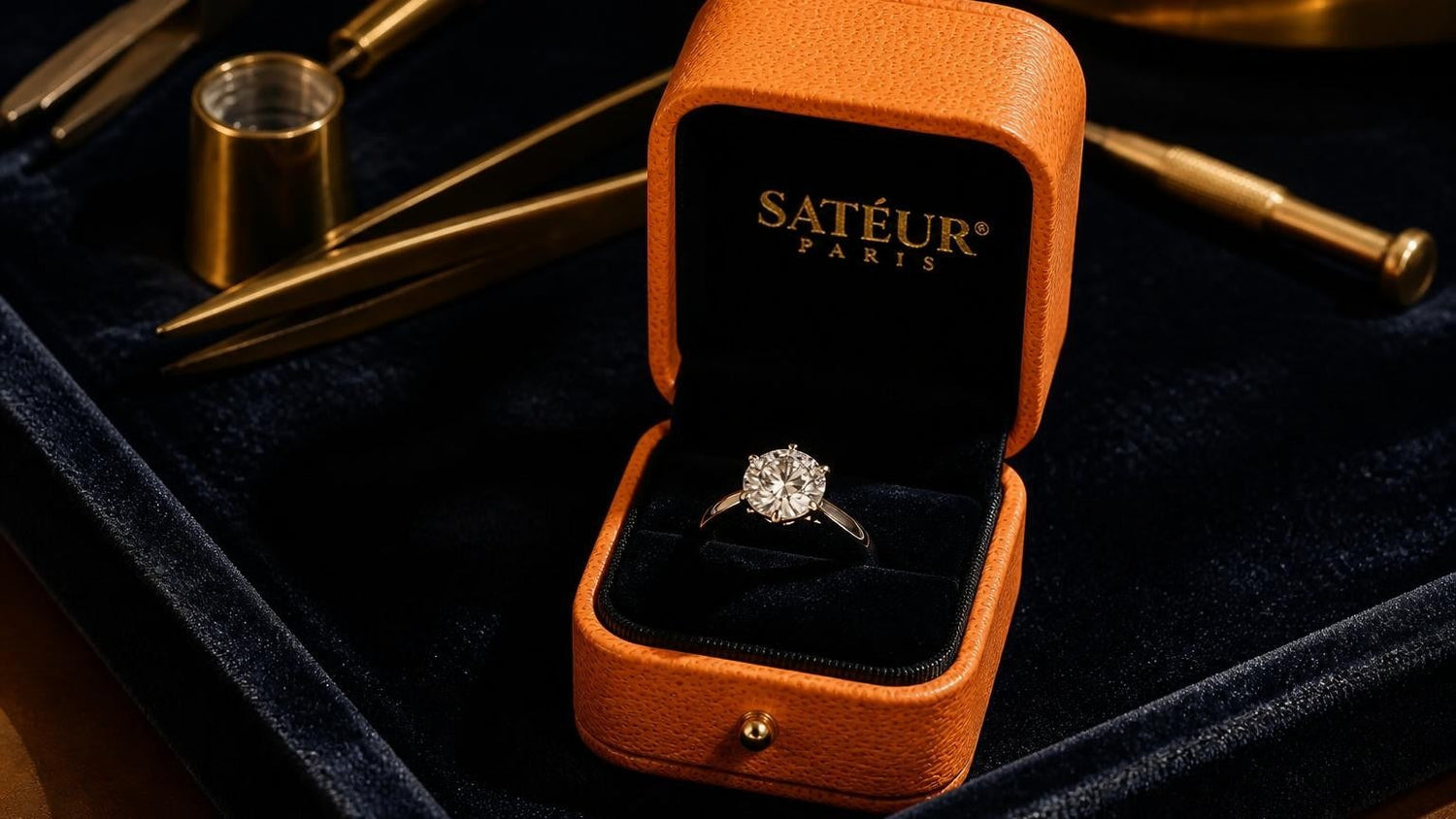
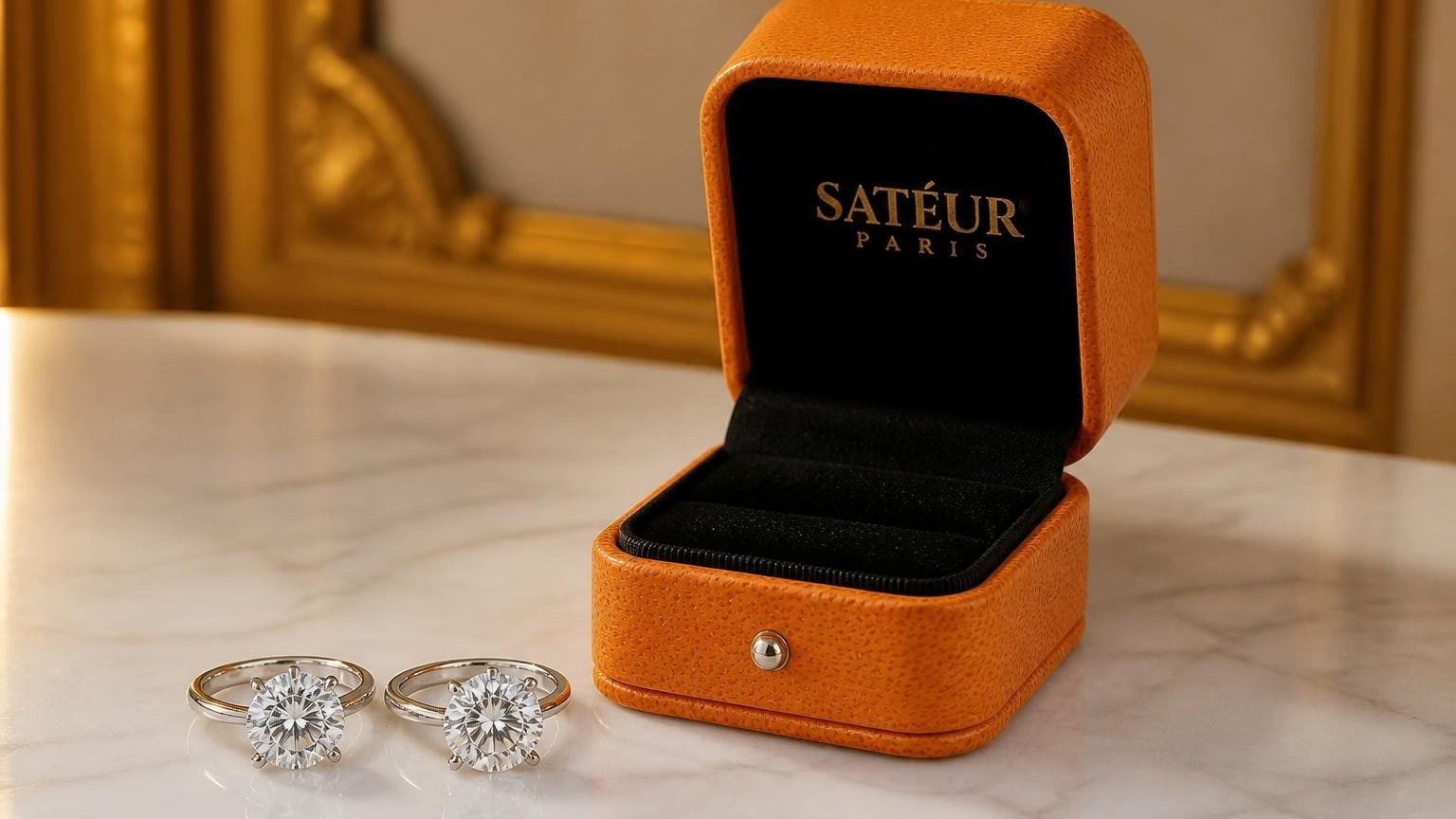
For a freedom ring that carries the full visual presence of fine diamond jewellery, Satéur Gems® offer a practical route. The 1% Ring® collection begins at $138 — a price that makes the self-purchase decision straightforward rather than fraught.
Satéur Gems® are a trademarked diamond simulant engineered for diamond-accurate optics. D-E colour and Excellent cut specifications produce the clean, white brilliance of a flawless diamond — the quality that reads as premium across a table and to the naked eye. The stones are extremely durable, built for everyday wear and long-term ownership. They hold their brilliance for life.
The comparison to mined diamond is direct and intentional. A comparable 1.00 carat round-cut diamond in D-E colour with Excellent cut would retail at approximately $10,000. The Satéur equivalent delivers the same visual presence at roughly 1% of that cost. This is not a compromise — it is a different logic of value. The New Diamond Standard® is built on exactly this premise.
A freedom ring should feel significant. It should not require debt or depleted savings to acquire. The existence of diamond-look rings at entry prices changes what the self-purchase moment can look like: a full-carat solitaire, white gold finishing, worn daily, purchased entirely on your own terms.
For those thinking through which finger to wear a meaningful ring on, the choice of gemstone and setting matters. A Satéur Gems® ring holds its visual weight in any context — dinner, travel, the ordinary Tuesday.

Satéur Destinée Ring™
The look of a flawless diamond, for 1% of the price.
Compare to a $10,000 mined diamond
Joined by 100,000+ couples across 150+ countries.
Discover The 1% RingFree worldwide shipping · 30-day returns · Lifetime Satéur Care
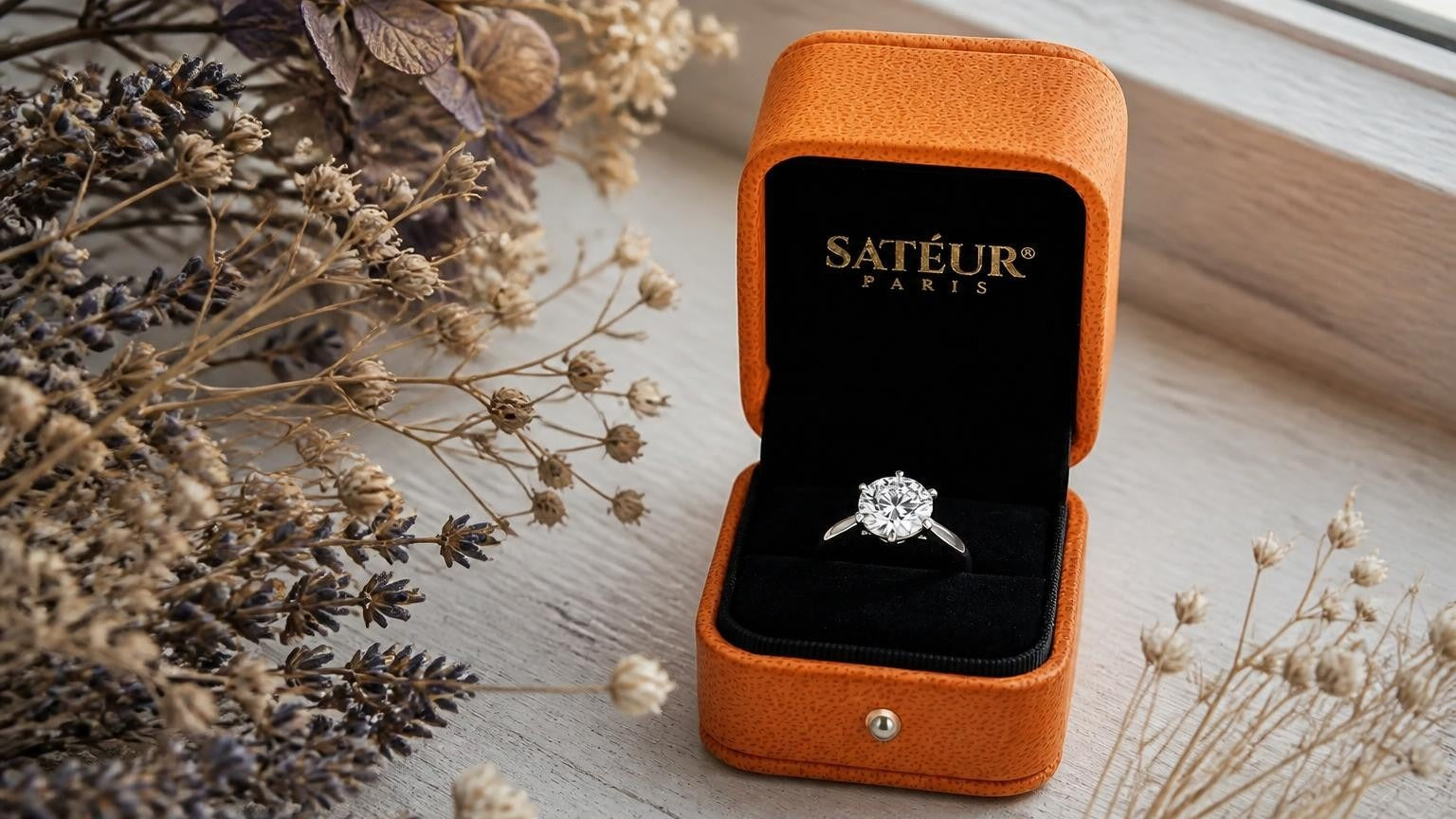
A freedom ring is a category defined entirely by the person wearing it. Whether that is a full-carat diamond-look solitaire or a slim engraved band, the ring means what you decide it means. And the right piece deserves the right box — the presentation is part of the moment.
Frequently Asked Questions
What is the historical meaning of a freedom ring?
Freedom rings emerged in late 20th-century American culture as symbolic jewellery representing personal liberty and artistic expression. In civic art history, they appeared as commemorative objects marking political and civil milestones. In contemporary fine jewellery, the term describes any ring purchased by and for oneself — a wearable record of personal independence, a new chapter, or a milestone belonging entirely to the wearer.
How do freedom rings function as symbols of personal liberty?
A freedom ring derives its meaning from the intention behind its purchase rather than a fixed design tradition. Worn typically on the right hand — outside the conventional territory of engagement and wedding rings — it signals self-determination. The act of choosing, paying for, and wearing a ring for no reason other than personal significance is itself the statement. The ring becomes a physical record of a decision made entirely on one's own terms.
Can a freedom ring be customised with initials or dates?
Yes. Engraving on the interior or exterior of the band is the most common form of personalisation — a date, a name, a single word or short phrase. Gemstone choice can also carry meaning: coloured stones tied to birthstones or significant shades, or diamond-look simulants for those who want the full presence of a solitaire. Settings can be chosen to reflect aesthetic preferences that may differ from any prior choice.
What metals and gemstones are used in contemporary freedom ring designs?
Sterling silver, 18k yellow and white gold finish, and platinum are the most common metal choices. Gemstones range from coloured precious and semi-precious stones — sapphire, amethyst, garnet — to colourless diamond-look options. Satéur Gems® (a trademarked diamond simulant) and moissanite rings have become popular in the self-purchase category, offering the visual presence of a premium stone at entry prices.
How does a diamond-look Satéur Gems® ring compare in durability to traditional rings?
Satéur Gems® are extremely durable and built for everyday wear. The stones hold their brilliance for life — they do not cloud, scratch, or lose optical quality with daily use. D-E colour and Excellent cut remain stable over time, unlike lower-grade simulants that degrade. For a ring worn as a daily self-purchase piece, the durability is not a question — it is a given.
Are freedom rings suitable as heirloom or gift pieces?
Yes. A well-made freedom ring in a quality metal with a durable stone holds its presence and meaning across decades. The most personal pieces — those with engraved dates or initials — become literal records of a moment in someone's life. As a gift, a freedom ring works best when it acknowledges a specific milestone in the recipient's life: a first step taken alone, a year made and survived, a love of self finally acted on. The meaning is made by the context, not the price tag.
















Lascia un commento
Questo sito è protetto da hCaptcha e applica le Norme sulla privacy e i Termini di servizio di hCaptcha.