

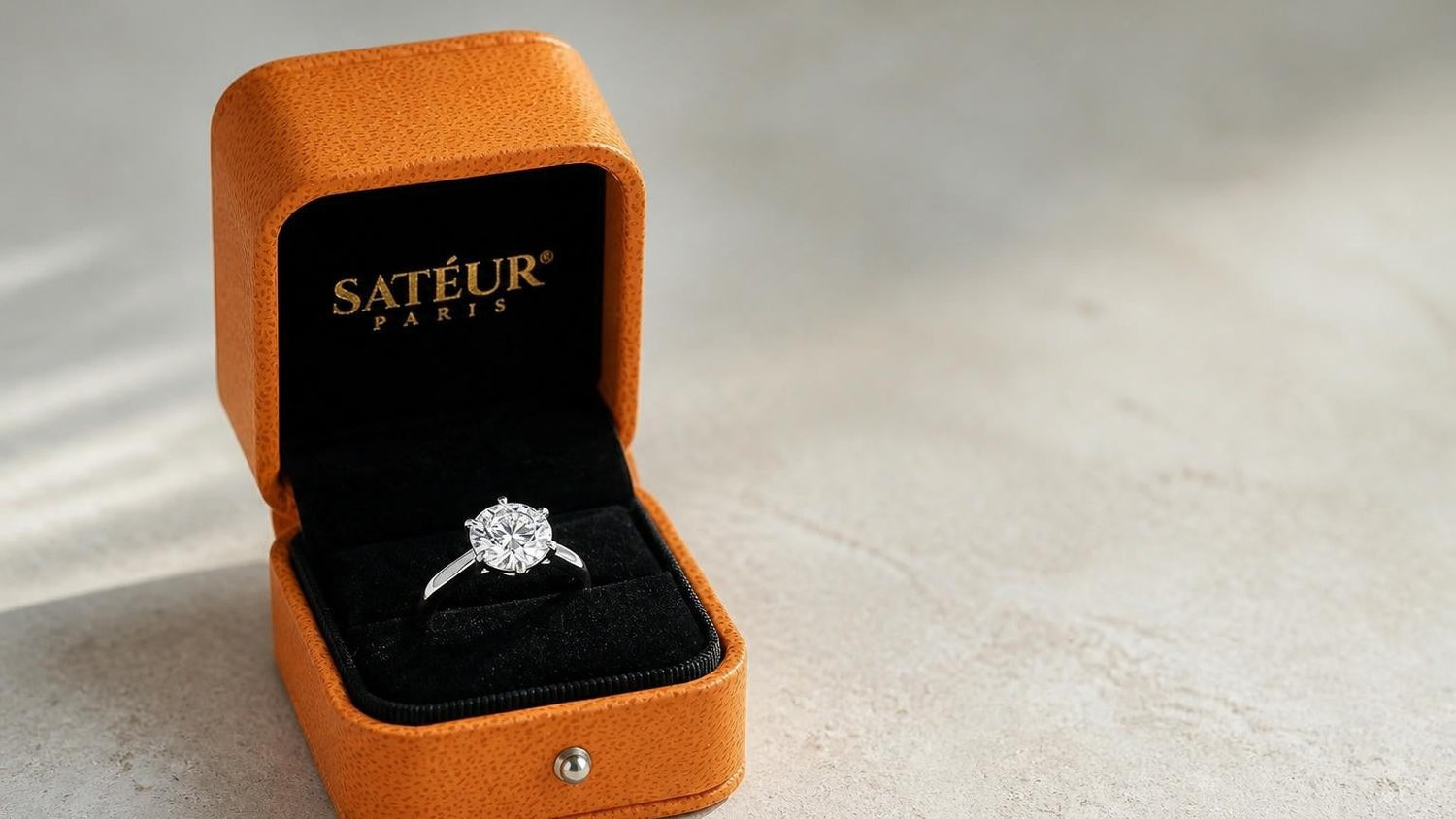
Are Lab Grown Diamonds Certified?
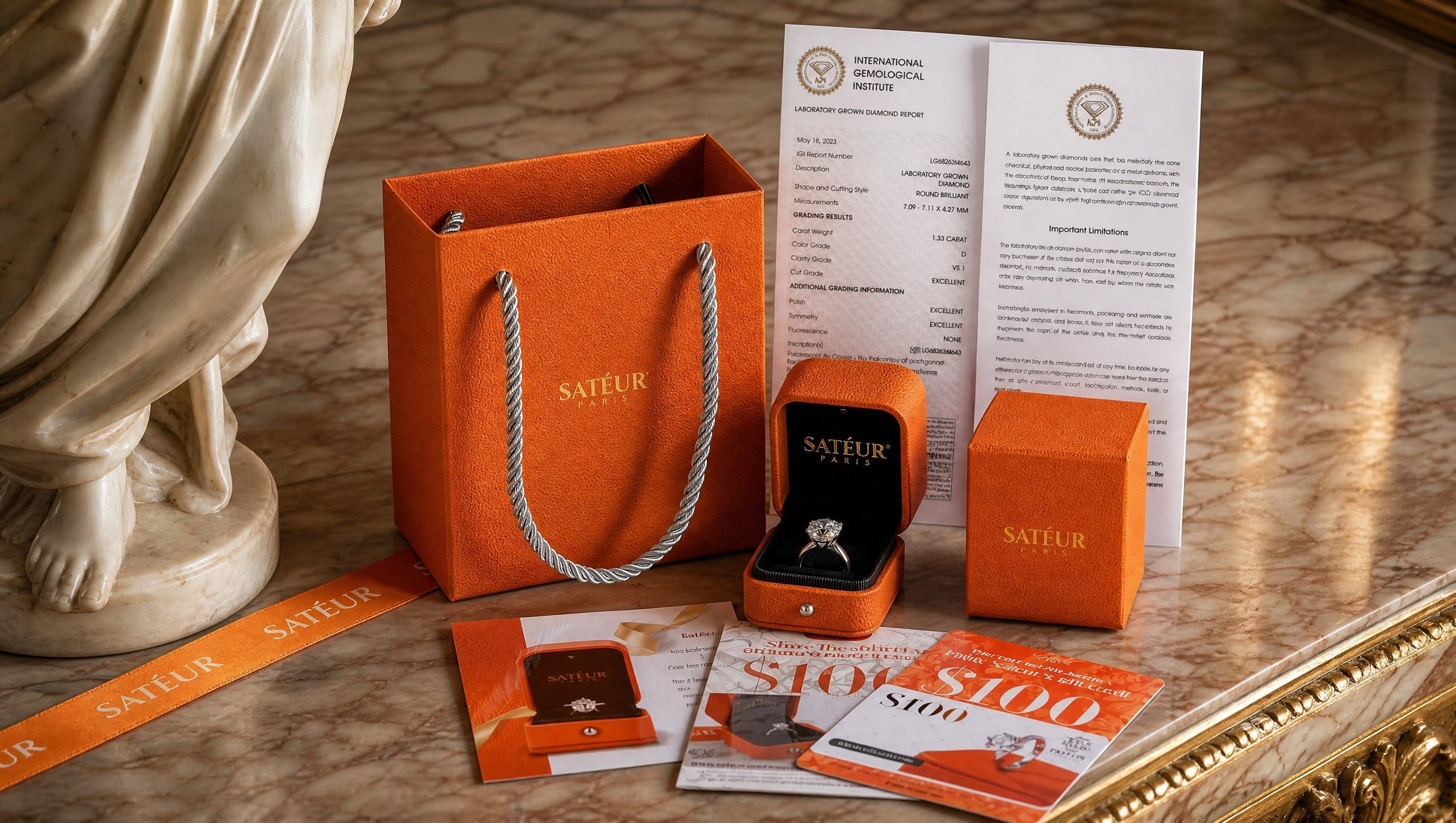
Yes. Lab grown diamonds are certified by the same independent gemological laboratories that grade mined diamonds — IGI and GIA chief among them — using the same reports and the same grading criteria. A certified lab grown diamond arrives with a document recording its cut, color, clarity, and carat weight, together with a clear statement that the diamond was grown in a laboratory. The certificate is identical in form to a mined-diamond report. Only the line noting origin differs.
This matters because certification is what turns a claim into a verifiable fact. A lab grown diamond is a real diamond, and an IGI or GIA report is the independent confirmation that the grade you are paying for is the grade you are receiving. Below is what that certification covers, how to read it, and how to verify that a certificate belongs to the diamond in front of you.
Key Takeaways
- Lab grown diamonds carry IGI or GIA certification, confirming the same chemical and structural equivalence to mined diamonds.
- A lab diamond report documents the 4Cs — cut, color, clarity, and carat weight — plus a statement that the diamond is laboratory grown and the growth method used.
- Lab grown diamonds share the same crystal lattice, carbon composition, and Mohs 10 hardness as natural diamonds.
- Lab diamonds typically cost 40 to 60 percent less than mined diamonds of comparable carat weight and grade.
- Verify any report by its unique number and laser inscription through the laboratory's online report-check tool.
- Satéur lab diamonds set in solid 18K gold are IGI-certified, with an entry price from around $88.
What Are Lab Grown Diamonds?
A lab grown diamond is a real diamond. It is pure carbon, crystallized into the same cubic lattice that defines a mined diamond, with the same chemical composition and the same optical behaviour. It is not an imitation and not a substitute. It is the identical material, formed by a different route.
Two methods produce them. Chemical Vapor Deposition, known as CVD, introduces a carbon-rich gas into a controlled chamber, where carbon atoms settle layer by layer onto a diamond seed. High Pressure High Temperature, known as HPHT, recreates the heat and pressure of natural formation inside a press. Both yield genuine diamond crystal, indistinguishable in structure from a stone formed in the earth.
The defining property carries over completely. A lab grown diamond measures 10 on the Mohs scale — the same as a mined diamond, the hardest known natural material. That hardness is what makes diamond, in any origin, suited to a lifetime of daily wear. For a fuller treatment of the material itself, see our guide to whether lab grown diamonds are real.
Lab Grown Diamond Certification Standards
Certification is the independent grading of a diamond by a gemological laboratory with no stake in the sale. The laboratory examines the stone, measures it against standardized criteria, and issues a report. That report is the buyer's assurance that the grade is accurate and the diamond is what the seller says it is.
Lab grown diamonds are graded by the same institutions that grade mined diamonds. The International Gemological Institute, IGI, is the most widely used for lab grown stones and certifies the great majority of the market. The Gemological Institute of America, GIA, the body that defined the modern 4C system, also issues full reports for laboratory-grown diamonds.
The standards applied are identical. A lab grown diamond and a mined diamond of the same specifications receive the same grades from the same scales. What distinguishes a lab diamond report is a single, clearly stated fact: the report identifies the diamond as laboratory grown and records its growth method, CVD or HPHT. That transparency is the point of certification — origin is documented, not hidden.
Every diamond in the Satéur lab grown diamond collection carries IGI certification as standard. The report travels with the stone.

How to Read a Lab Grown Diamond Certificate
A certificate looks dense at first, but it records a small number of things clearly. Reading it well takes only a few minutes and tells you exactly what you are buying.
Report number. Every report has a unique identifier. This is the key to verification — it links the document to the laboratory's online record and, in most cases, to a laser inscription on the diamond itself.
Origin and growth method. A lab grown diamond report states plainly that the diamond is laboratory grown, and notes whether it was made by CVD or HPHT. This is the line that distinguishes the report from a mined-diamond certificate.
The four grades. Cut, color, clarity, and carat weight are listed together. These are the figures that determine both appearance and price, and they are graded on the same scales used for mined diamonds. The next section explains what each grade means.
Measurements and proportions. The report records the diamond's dimensions in millimetres and its proportional angles. These confirm the physical size and the geometry that drives brilliance.
Laser inscription. Most certified lab diamonds carry the report number inscribed microscopically on the girdle. Matching the inscription to the report is the simplest confirmation that the certificate belongs to the stone. Verification of a certificate is read directly from the laboratory's records, not assessed by any in-store tool. For the broader comparison, our guide on lab created diamond rings sets the certificate in the context of choosing a finished piece.
The 4Cs on a Lab Grown Diamond Report
The four characteristics graded on every diamond report apply to lab grown diamonds in full. Understanding them is what lets you compare two certificates with confidence.
Cut measures how well the diamond's facets return light. It is the grade with the greatest effect on how a diamond looks in person. An Excellent or Ideal cut produces the brilliance and fire a diamond is prized for. Cut is graded the same way regardless of origin.
Color is graded from D, completely colorless, down the alphabet as faint tints appear. Lab grown diamonds are routinely available at D and E — the rarest, most colorless grades — where the same grades in mined stones command a steep premium. This is one area where a certified lab diamond delivers a visibly higher grade for the price.
Clarity records the presence of natural inclusions, from Flawless through to Included. Lab grown diamonds are commonly offered at VS2 or better, and eye-clean SI1 stones are widely sold. The clarity available per dollar typically exceeds what a mined diamond offers at the same budget.
Carat weight is the diamond's mass, measured identically to a mined diamond. A 1.00-carat lab grown diamond is the same physical size as a 1.00-carat mined diamond of the same cut.
| Grade | What it records | Typical lab grown range |
|---|---|---|
| Cut | Light return and finish | Excellent / Ideal available |
| Color | Absence of tint (D–Z) | D–E routinely produced |
| Clarity | Inclusions (FL–I) | VS2 and better common |
| Carat | Weight / size | Measured identically to mined |
Lab Diamond vs. Mined Diamond: Key Differences
On a certificate, a lab grown diamond and a mined diamond of matching grade are near-identical documents. The grades are the same. The scales are the same. The only difference recorded is origin.
The difference that buyers feel is price. Lab grown diamonds typically cost 40 to 60 percent less than mined diamonds of comparable carat weight and grade. Two diamonds with matching IGI reports can carry very different prices for one reason alone: how they were formed. The certificate confirms there is no difference in the diamond. The market still prices origin.
To the naked eye, the two are visually identical. A lab grown diamond and a mined diamond of the same grade show no visible difference with the naked eye under ordinary light. The distinction is a matter of record on a report, not something visible on the hand.
| Property | Lab Grown Diamond | Mined Diamond |
|---|---|---|
| Composition | Crystallized carbon | Crystallized carbon |
| Hardness | Mohs 10 | Mohs 10 |
| Certification | IGI / GIA, 4C report | IGI / GIA, 4C report |
| Origin on report | Stated: laboratory grown | Stated: natural |
| Typical price | 40–60% less | Full market price |
How to Verify a Lab Grown Diamond Certificate
A certificate is only as good as your ability to confirm it. Verification is straightforward and takes a few minutes.
First, note the report number printed on the document. Second, find the matching laser inscription on the diamond's girdle, which most certified lab diamonds carry. Third, enter the report number into the issuing laboratory's online report-check service — IGI and GIA both publish one — and confirm that the grades displayed on screen match the printed certificate exactly.
When the printed report, the laser inscription, and the laboratory's online record all agree, the certificate belongs to the diamond and the grades are confirmed. No specialist equipment is needed for this — the verification lives in the laboratory's own records, accessible to any buyer. This is the assurance certification was built to give.
Satéur Lab Diamond Value: Certified Specs at Accessible Price
Certification is where the value of a lab grown diamond becomes concrete. The same independent report, the same colorless grades, the same Mohs 10 hardness — at a fraction of the mined-diamond price.
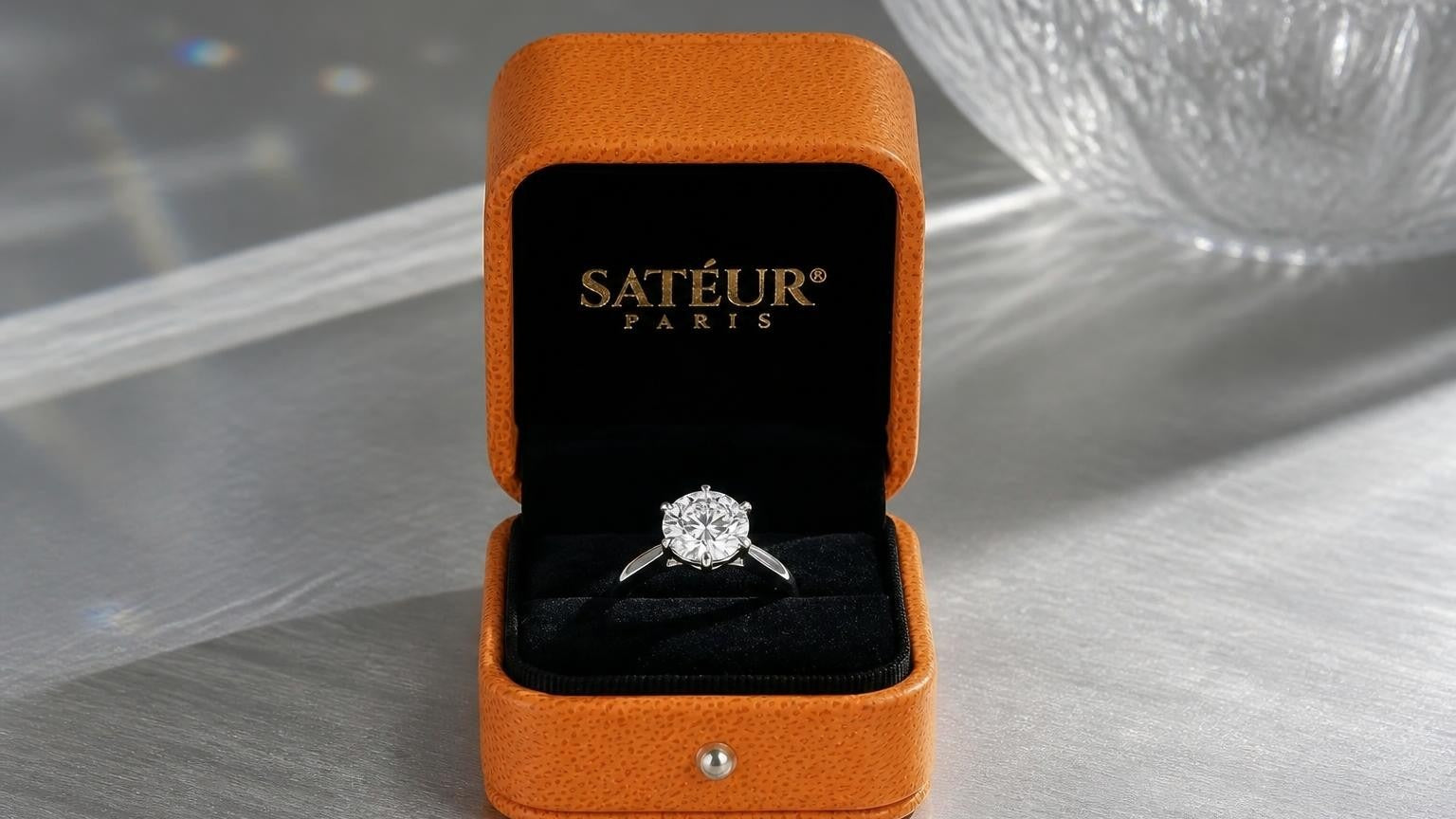
Satéur lab diamonds are IGI-certified and set in solid 18K gold, with an entry price from around $88. The certificate documents a real, laboratory-grown diamond, graded against the same standards as any mined stone. What you hold is not a look-alike but a certified diamond, with the paperwork to prove it.
The Satéur Destinée Diamond Ring™ — The 1% Ring® — sets a 1.00-carat round brilliant lab diamond in solid 18K white gold. This is The New Diamond Standard®: a certified diamond, the look of a flawless stone, at a fraction of the cost.


Satéur Destinée Diamond Ring
A real, IGI-certified lab-grown diamond, hand-set in solid 18K gold — a fraction of the mined-diamond price.
Compare to a $10,000 mined diamond
Joined by 100,000+ couples across 150+ countries.
Shop the Destinée Diamond RingFree worldwide shipping · 30-day returns · Lifetime Satéur Care
Lab Grown Diamond Specifications and Visual Quality
A certified lab grown diamond performs exactly as its report describes. The grades on paper translate directly into what you see and how the diamond wears.
Cut quality governs brilliance. A diamond graded Excellent or Ideal returns light cleanly and shows strong fire — the flashes of brightness a diamond is known for. Color at D or E reads as pure white, with no warm tint to dull the appearance. Clarity at VS2 or better means inclusions are invisible without magnification.
The result is a diamond that looks like a flawless diamond, because that is what it is: certified, colorless, and brilliant. For couples weighing the certified-diamond route against other options, our overview of the 3 carat lab grown diamond ring range shows how grade and size combine across a certified collection.

Frequently Asked Questions About Lab Diamonds
What does IGI certification mean for a lab grown diamond?
IGI certification means an independent gemological laboratory has examined the diamond and documented its grade. For a lab grown diamond, the IGI report records the same four characteristics as for a mined diamond — cut, color, clarity, and carat weight — along with a statement that the diamond is laboratory grown and the growth method used. It is the same report, applied to the same object, with the origin recorded as a fact rather than a flaw.
Are lab grown diamonds chemically identical to mined diamonds?
Yes. A lab grown diamond is pure crystallized carbon arranged in the same cubic lattice as a mined diamond. It shares the same chemical composition, the same optical properties, and the same Mohs 10 hardness. The only difference is origin — one formed in the earth, the other in a controlled laboratory — and origin does not change what the diamond is.
How much less expensive are lab diamonds than natural diamonds?
Lab grown diamonds typically cost 40 to 60 percent less than mined diamonds of comparable carat weight and grade. The saving is realized at the point of purchase and reflects the economics of supply, not any difference in the stone itself. Two diamonds with matching certificates can carry very different prices based only on origin.
What colour and clarity grades are available in lab grown diamonds?
Lab grown diamonds are available across the full grading range. Colorless grades of D and E are routinely produced, where mined stones at those grades command a premium. Clarity is commonly available at VS2 or better, with eye-clean SI1 stones widely sold. Cut is graded identically, with Excellent and Ideal grades producing the strongest brilliance and fire.
Can a lab diamond be used in an engagement ring?
Yes. A lab grown diamond is a real diamond with Mohs 10 hardness, which makes it suited to daily wear over a lifetime. Set in solid 18K gold, a certified lab diamond is a durable, certified centre stone for an engagement ring, identical in appearance and performance to a mined diamond of the same grade.
How do I verify the certification of a lab grown diamond?
Each report carries a unique number, and most diamonds are laser-inscribed with that number on the girdle. Enter the number into the laboratory's online report verification tool — IGI and GIA both publish one — and confirm the grades on screen match the printed certificate. The inscription and the online record together confirm the certificate belongs to the diamond in your hand.















댓글을 남기세요
이 사이트는 hCaptcha에 의해 보호되며, hCaptcha의 개인 정보 보호 정책 과 서비스 약관 이 적용됩니다.