



What Is the Fake Diamond Called? Diamond Simulants Explained
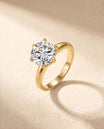
"Fake diamond" is layperson shorthand. The correct term is diamond simulant — moissanite, cubic zirconia, white sapphire, and Satéur Gems® each offer a dis
What Is a Fake Diamond? Simulants, Types & the Smartest Choice
A 'fake diamond' is a diamond simulant — a real gemstone that replicates the diamond look. Discover CZ, moissanite, white sapphire and Satéur Gems®.
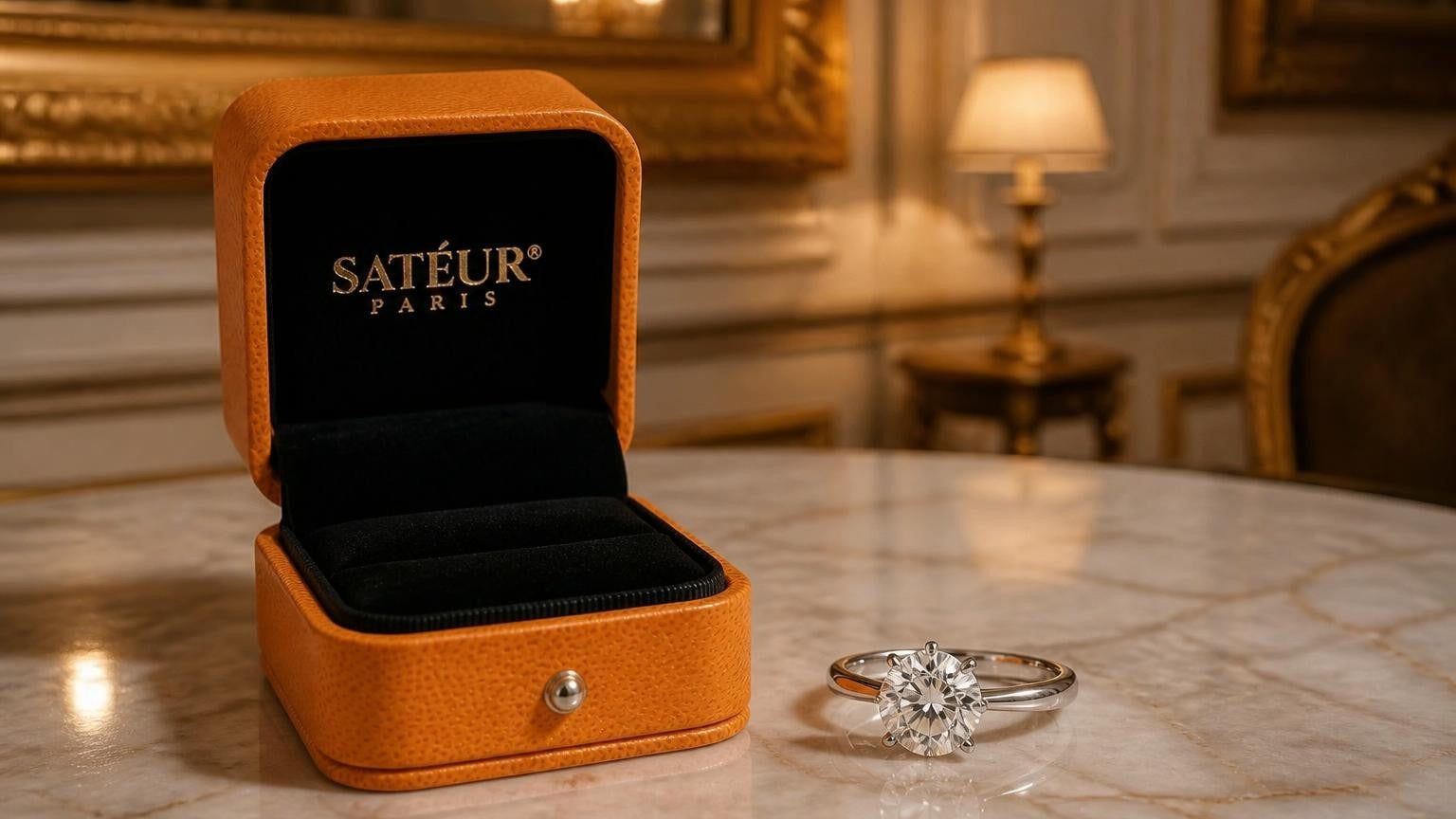
Real vs Fake Diamond Shine: What the Light Actually Shows
How does real diamond shine differ from simulants? Understand brilliance, fire, and dispersion — and why the choice is simpler than the industry suggests.
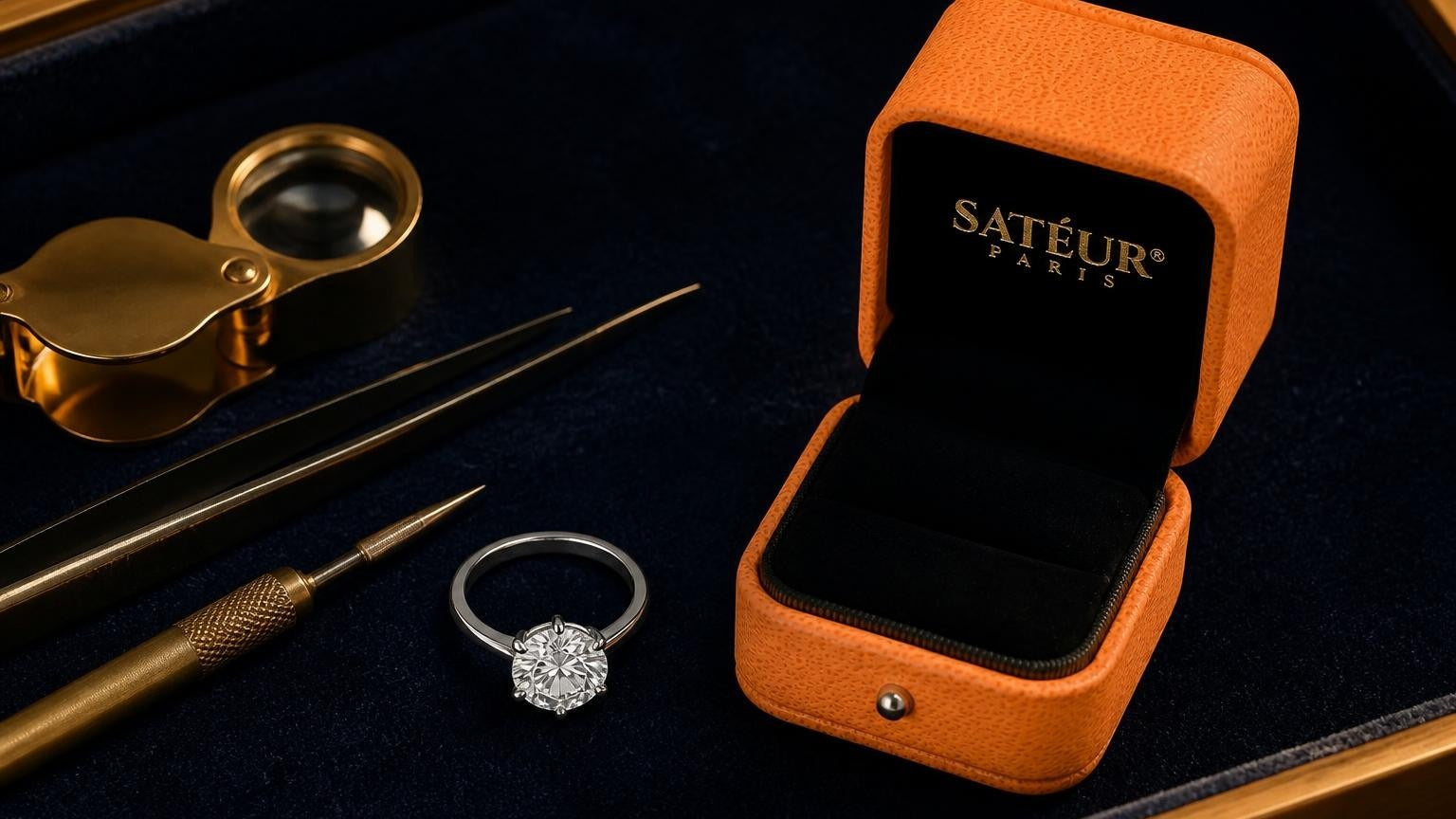
What Is a Simulated Diamond? The Complete Guide
Simulated diamonds replicate the brilliance of mined diamonds at a fraction of the price. Learn the differences between diamond simulants, from moissanite
Satéur® — The 1% Ring®
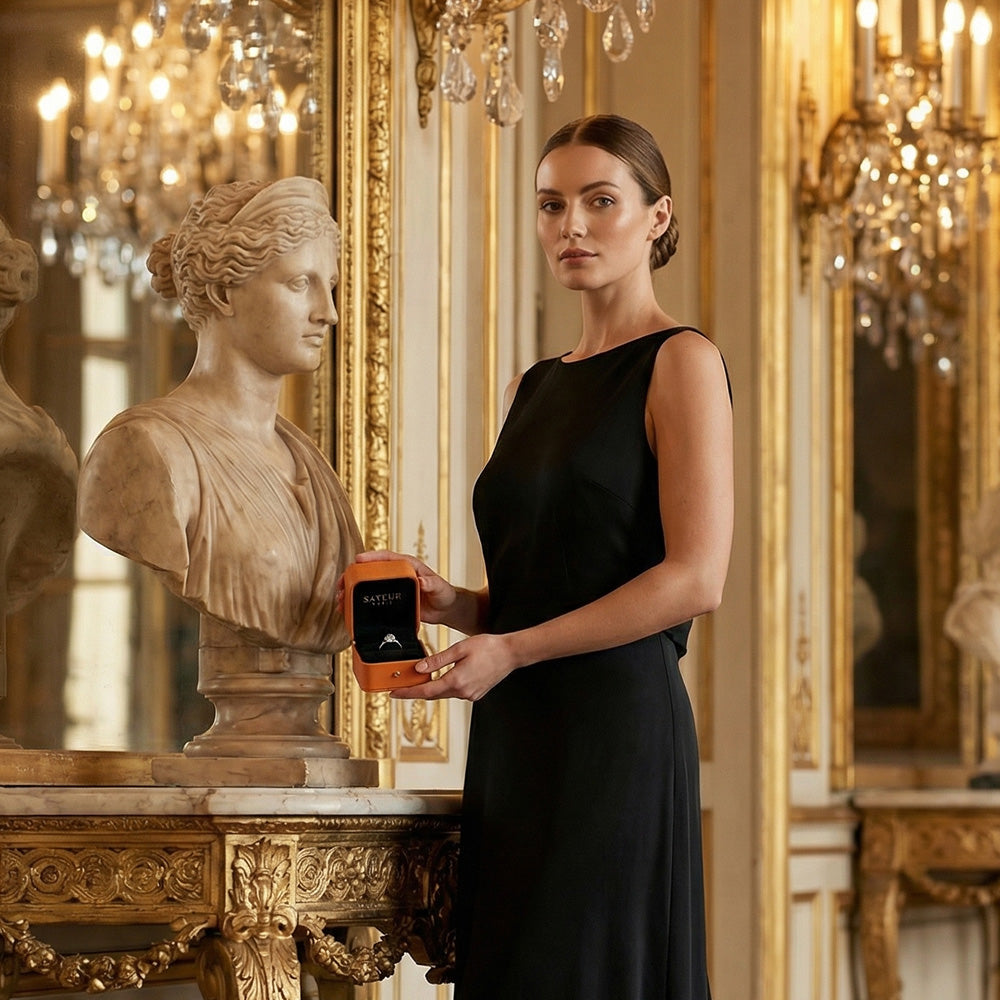
Looks like a $10,000 diamond. Costs just 1%.
A new standard of brilliance —
defined by clarity, not convention.
Popular Products

 2.00ct
A landmark, on the hand.

 2.00–5.00ct
The hand, made sovereign.

 1.00 x 2–3.00 x 2ct
A pair, for the icon.

 2.00ct
The collector's full chapter.

 2ct
2ctTwo rings. One vow.

 5.00ct
The masterwork.

 1.50 + 1.00 + 0.50ct
A trinity, decided.

 2.00 + 1.00 + 1.00ct
Three carats, three chapters.
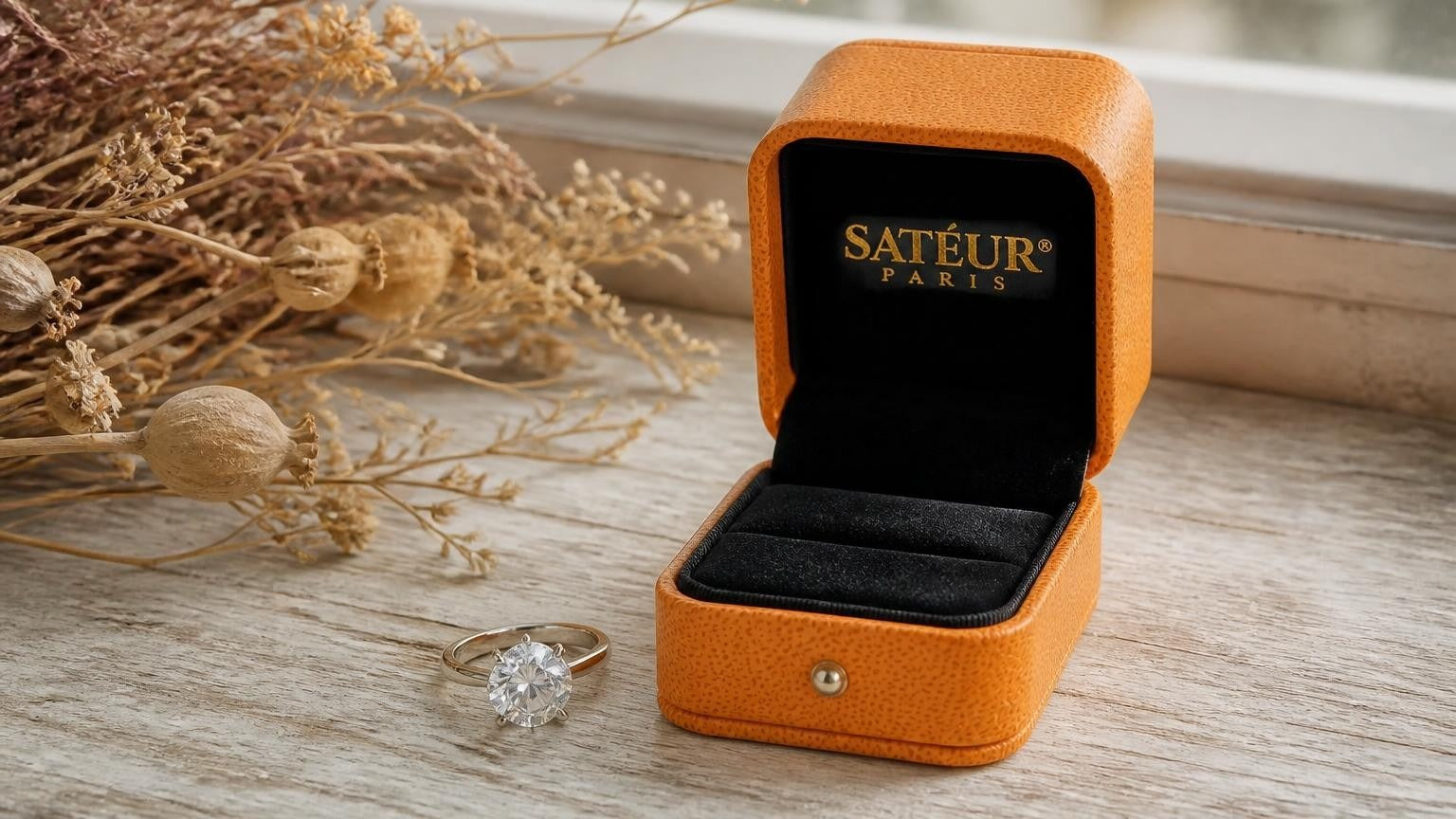
It looks like a $10,000 diamond—but costs less than a night out. Satéur is changing the rules of engagement.

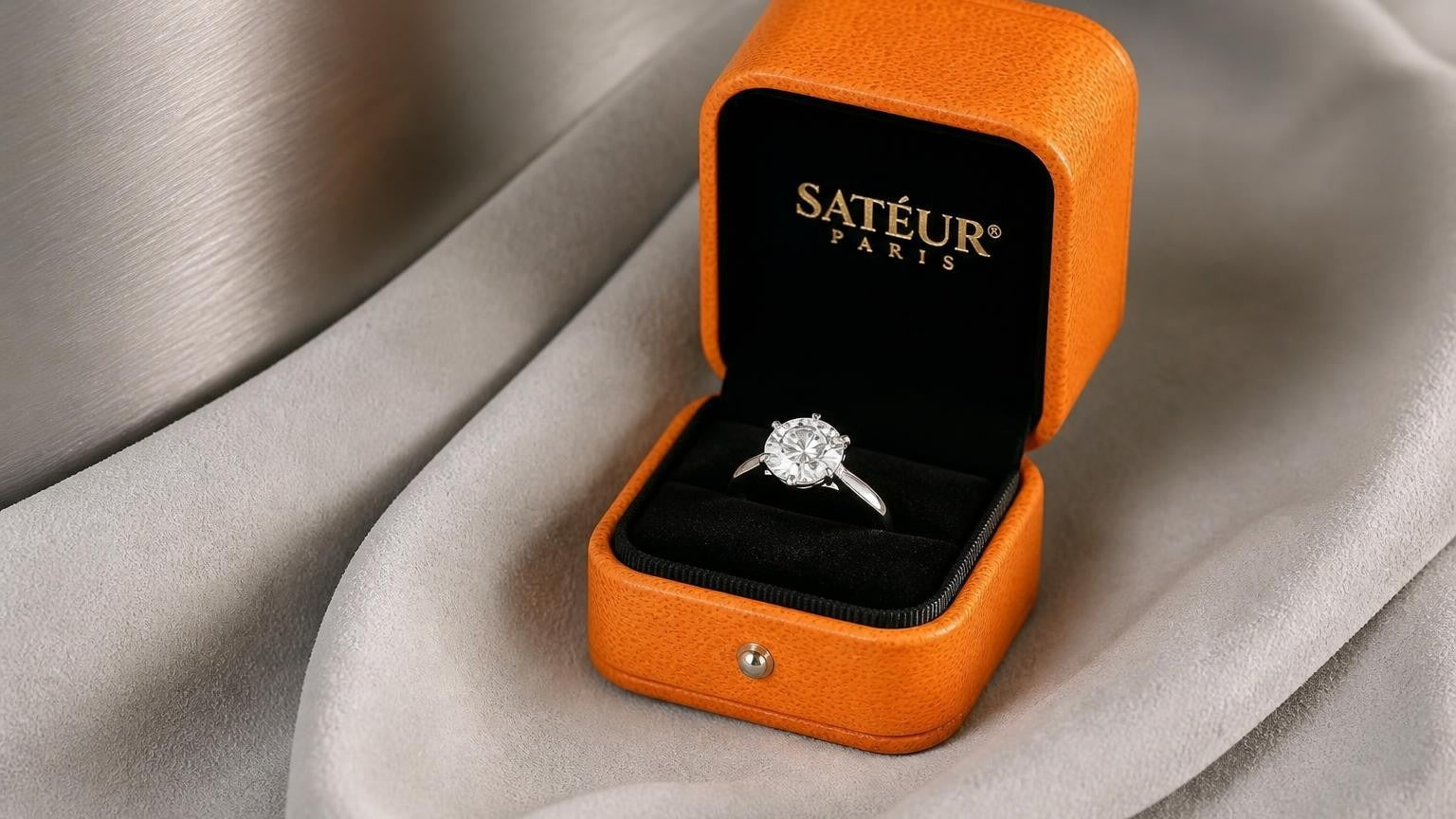
We put it next to a real diamond—and couldn’t tell the difference. Satéur might be the smartest sparkle in jewelry.

Satéur isn’t just selling rings. It’s building a movement for couples who want meaning over markup.

Featured In