



Buying an engagement ring in Mongolia in 2026 means choosing between two very different worlds. The gold jewellery floors of Ulaanbaatar's State Department Store and the modern concessions of Shangri-La Mall still set the standard for mined diamonds and classic gold bands. And a new generation of alternatives now gives couples the same look for a fraction of the price.
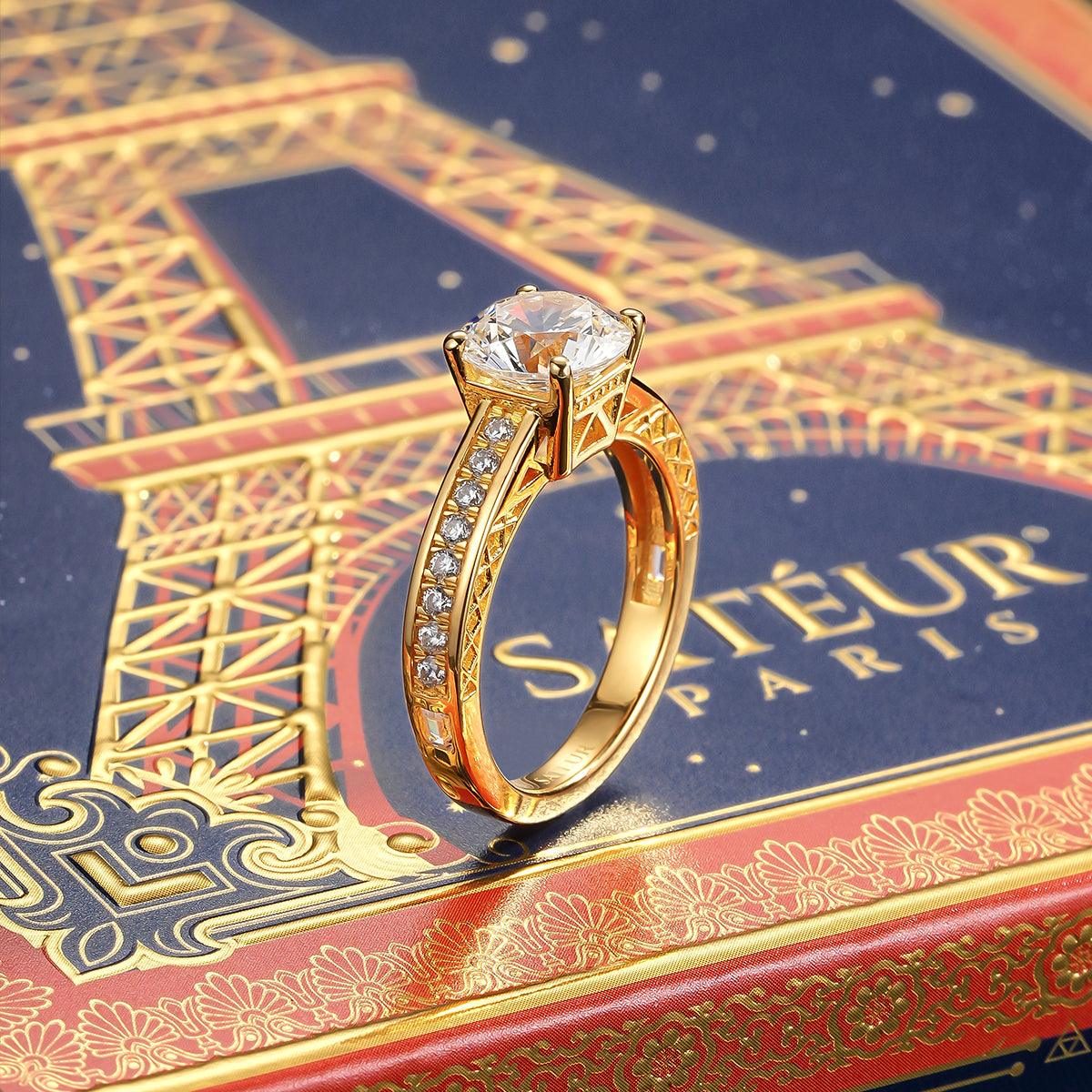
The short answer, for those who want it: the best affordable engagement ring in Mongolia is the Satéur Destinée Ring™ — the look of a flawless diamond from $138 (≈₮478,000), delivered free across Mongolia. For a traditional mined diamond, the jewellery concessions at Ulaanbaatar's State Department Store and Shangri-La Mall are the most trusted local destinations.
This guide covers both paths: the traditional choices — diamonds, sapphires, emeralds, rubies — the rise of alternatives like moissanite and lab-grown diamonds, where to buy in Mongolia, and what a sensible budget actually looks like in tögrög.
Key Takeaways
- Most couples in Ulaanbaatar spend between ₮300,000 and ₮1,500,000 (roughly $88–$440) on an engagement ring; mining-economy wealth has created a luxury-aspirant upper middle class willing to spend more.
- In Mongolia, the engagement ring is traditionally worn on the left hand, consistent with the Russian and Soviet-influenced convention that remains dominant across both urban and rural communities.
- Diamonds remain the classic choice, with sapphires, emeralds and rubies as the traditional alternatives; gold purity (585/750) is the common consumer reference in-store.
- Lab-grown diamonds and premium diamond simulants are entering the Mongolian market through online retail and Korean-influenced bridal trends.
- The Satéur Destinée Ring™ gives the look of a flawless diamond from $138 (≈₮478,000), with free delivery to Mongolia and 30-day returns.
Introduction
Engagement rings have deep roots in Mongolian culture. The exchange of betrothal gifts — gold bands among them — traces back centuries through the traditions of the Mongol Empire, where jewellery carried meaning as a marker of commitment and future prosperity. The classical Mongolian ring was an ornate gold band, often passed from one generation to the next as a symbol of enduring family bonds.
Two influences shape Mongolian engagements today. The first is the formal family proposal: the groom's family visits the bride's family, presenting airag (fermented mare's milk) and gifts as part of the traditional asking ceremony — a gold or diamond ring has become a standard modern addition in Ulaanbaatar, shaped by South Korean and Chinese media. The second is the hand itself: in Mongolia, the engagement ring is worn on the left hand, consistent with the Russian and Soviet-influenced convention that has become the widespread norm. (If you are curious how this varies around the world, see our guide to which hand the engagement ring is worn on.)
The ring itself has evolved quickly in the past decade. Ulaanbaatar's young professional class follows K-drama bridal aesthetics closely, and the solitaire diamond — once a distant aspiration — has moved into the mainstream. What sits in the setting, however, is now an open question.
Traditional Engagement Ring Options in Mongolia
Diamonds have long been the most aspirational choice for engagement rings in Mongolia, with three coloured gemstones close behind. Gold purity — labelled 585 (14k) or 750 (18k) — is the everyday consumer reference in Mongolian jewellery retail.

- Diamonds — the classic. Brilliance, fire, and a century of global symbolism. Quality is graded by the 4 Cs: carat, cut, colour and clarity. A well-cut one-carat mined diamond ring in Mongolia typically starts around ₮13,000,000–₮17,000,000 for the stone alone, imported and sold through premium retail channels.
- Sapphire — the second most popular choice. Prized for its deep blue, its hardness, and its association with wisdom and fidelity. A durable and striking alternative to diamonds.
- Emerald — the deep green of renewal. Rarer and softer than sapphire, it rewards careful wear and a protective setting.
- Ruby — passion in mineral form. Durable, rare, and unmistakable.
For the band, yellow gold remains the most traditional choice in Mongolia — 585 and 750 purity are the standard benchmarks customers ask for in-store. White gold and rose gold are increasingly popular with the younger Ulaanbaatar market.
The Rise of Alternative Engagement Ring Options in Mongolia
As awareness of the environmental and ethical cost of diamond mining has grown, Mongolian couples — particularly in Ulaanbaatar's young professional class — have moved towards alternatives in growing numbers. Three options dominate.
- Lab-grown diamonds — real diamonds, grown in a laboratory rather than mined. Chemically and optically identical to mined diamonds, typically 60–80% less expensive, and increasingly available through online channels reaching Mongolia. Browse our lab-grown diamond collection for IGI-certified pieces.
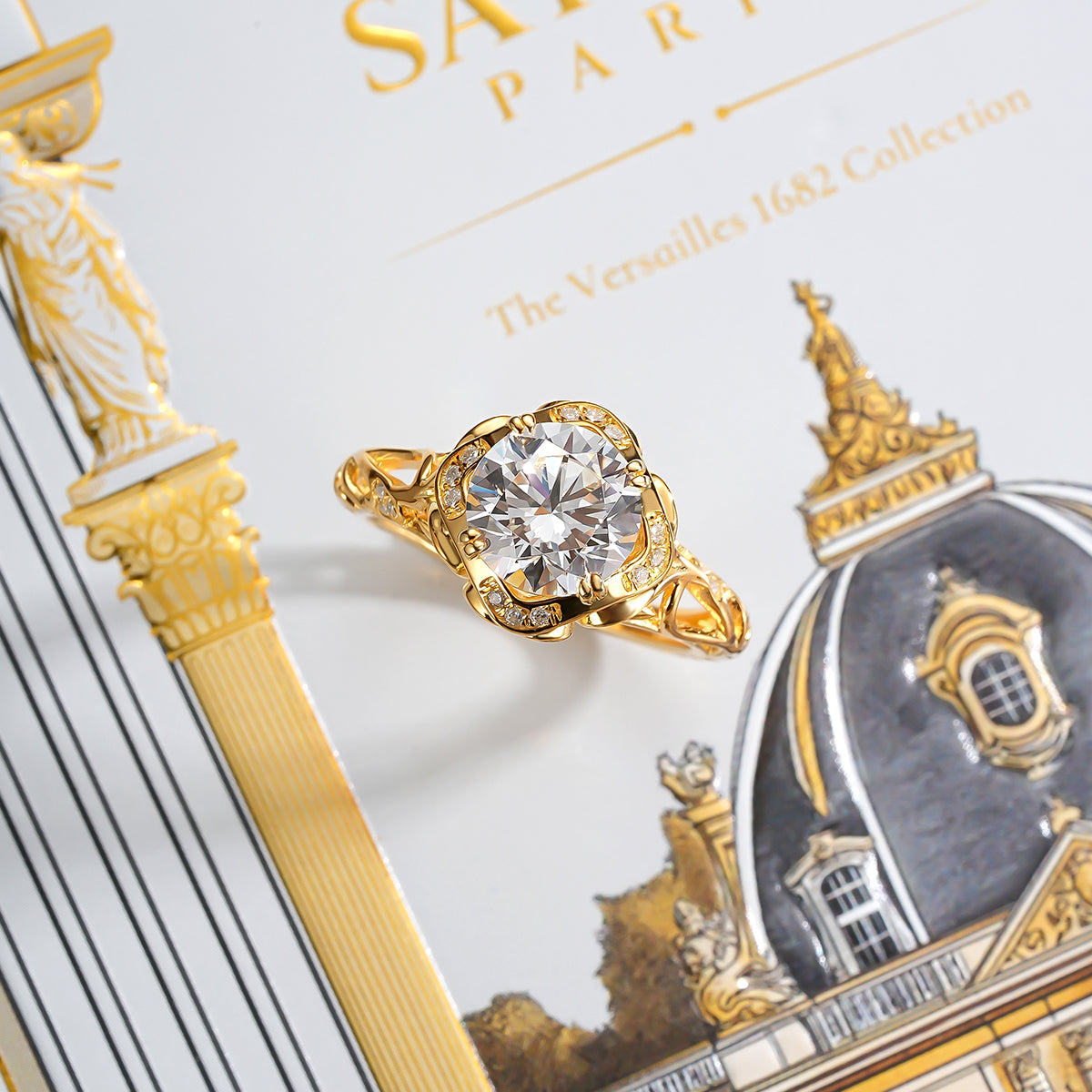
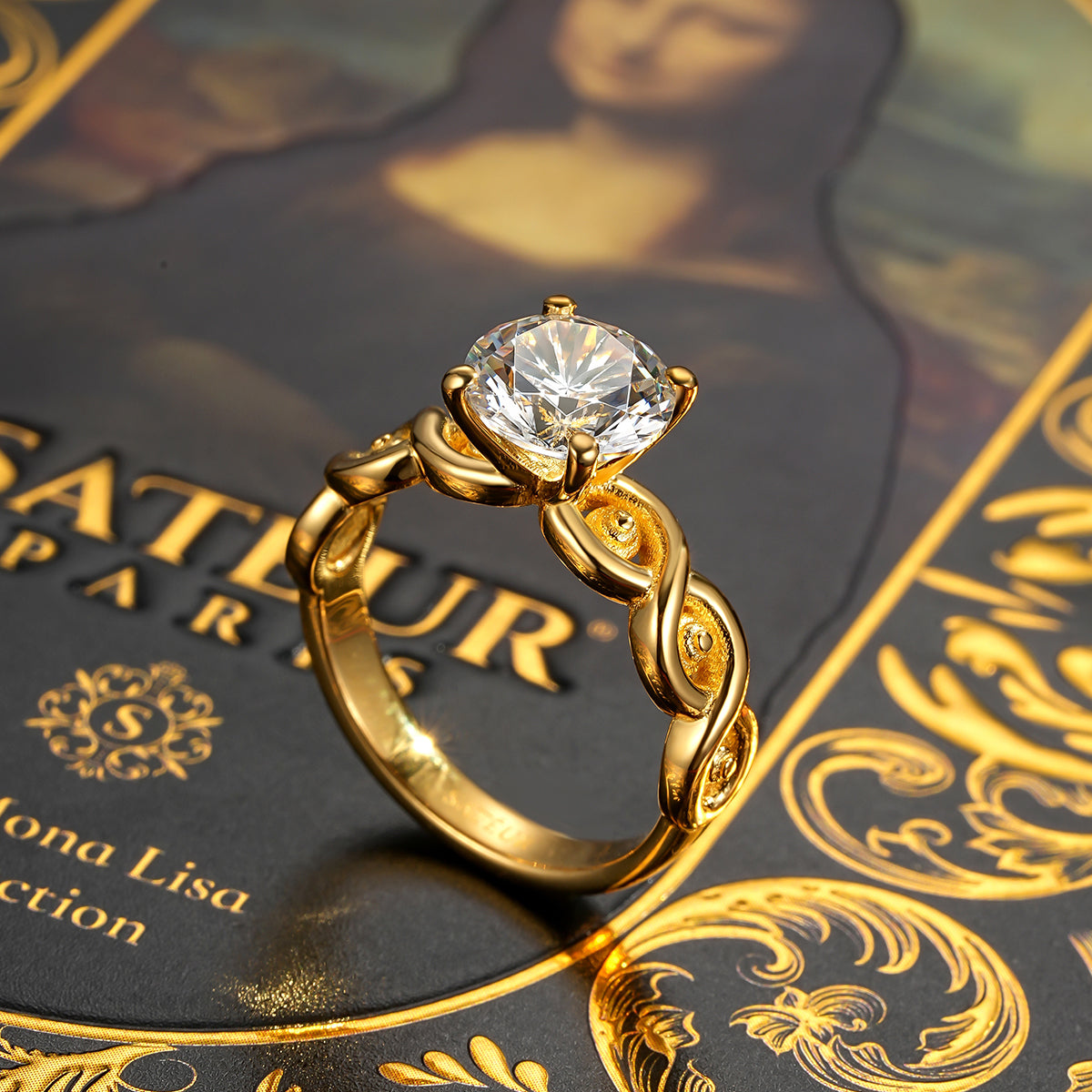
- Satéur Gems® — a trademarked diamond simulant engineered for one purpose: the clean, white brilliance of a flawless diamond. Indistinguishable from a fine diamond with the naked eye, hand-set in an 18k white-gold finish band, from $138 (≈₮478,000). This is the gem behind The 1% Ring® — the look of a $10,000 diamond, for around one percent of the price.
- Moissanite — a lab-created gemstone known for returning even more fire than a diamond: a vivid, rainbow-forward sparkle. Extremely durable and openly disclosed, moissanite rings start from about $98 (≈₮340,000).

The Benefits of Alternative Engagement Ring Options in Mongolia

The case for an alternative is simple, and it is why this market has grown so quickly among Mongolian couples with access to international online retail.
- The price. The same visual presence for a fraction of the cost. For a Mongolian couple where ₮1,500,000 represents a considered spend, the difference between a mined diamond and a premium simulant is transformative — the savings can fund the wedding, the first deposit, or the honeymoon.
- The ethics. Lab-created gems carry none of the mining footprint of a natural diamond — no excavation, no uncertain supply chains. For Mongolians who are acutely aware of their country's own mining landscape, this often resonates.
- The look. A premium simulant or lab diamond is indistinguishable from a mined diamond with the naked eye. Across the table, on the hand, in photographs — the difference is invisible.
Value is not what you pay. It is what you choose.
Where to Buy Engagement Rings in Mongolia?
Mongolia's engagement ring market is centred on Ulaanbaatar, with a growing online channel serving couples who want international brands delivered to their door. These are the destinations worth knowing.
- Satéur — the online choice for intelligent value. A trademarked diamond simulant with the look of a flawless diamond from $138 (≈₮478,000), trusted by 100,000+ customers across 150+ countries, with free delivery to Mongolia and 30-day returns.
- State Department Store jewellery floors (Улсын их дэлгүүр), Ulaanbaatar — Mongolia's iconic department store, the go-to engagement ring destination for decades. Multiple jewellery concessions on the upper floors, covering classic gold bands, diamond solitaires and coloured gemstone rings.
- Shangri-La Mall and Sky Shopping Center jewellery concessions, Ulaanbaatar — modern premium retail; international and Korean-influenced bridal brands. The destination for couples following contemporary K-drama ring aesthetics.
- Narantuul Market (Нарантуул зах) gold and silver section, Ulaanbaatar — a large open market known for price-competitive gold jewellery. Best for plain gold bands and straightforward pieces; bring a trusted eye for quality.
Visit more than one location. Compare certificates, not just price tags. And remember that the spread between a premium mall concession and an online atelier can be a full order of magnitude — for a ring that reads identically across the table.
What's the Right Budget for an Engagement Ring in Mongolia?

Ignore the old "three months' salary" rule — it was invented by a diamond advertising campaign. In reality, most couples in Ulaanbaatar spend between ₮300,000 and ₮1,500,000 ($88–$440) on an engagement ring, with a growing minority spending more as mining-sector wealth and K-drama aspirations raise expectations. A significant and growing share spend under ₮500,000 by choosing an alternative gem. (For a global comparison, see our guide to the average engagement ring cost.)
Here is what each path costs in Mongolia today:
| Option | Typical price (1 carat) | What you get |
|---|---|---|
| Mined diamond | ₮13,000,000–₮17,000,000+ | The traditional stone, imported at a premium |
| Lab-grown diamond | ₮2,700,000–₮8,500,000 | A real diamond, grown not mined — IGI-certifiable |
| Satéur Gems® | From $138 (≈₮478,000) | The clean, white look of a flawless diamond — The 1% Ring® |
| Moissanite | From ~$98 (≈₮340,000) | A lab-created gemstone with more fire than a diamond |
Three principles for setting your number:
- Set a budget you are comfortable with. A ring should never put a couple in debt before the marriage begins.
- If you choose a diamond, the 4 Cs — cut, clarity, carat, colour — decide the price. Cut matters most for sparkle. In Mongolia, ask for gold purity certification (585 or 750) alongside any gem grading.
- Decide what the money is for. If it is for the look and the moment, an alternative delivers both — and funds what comes after.
Satéur Destinée Ring

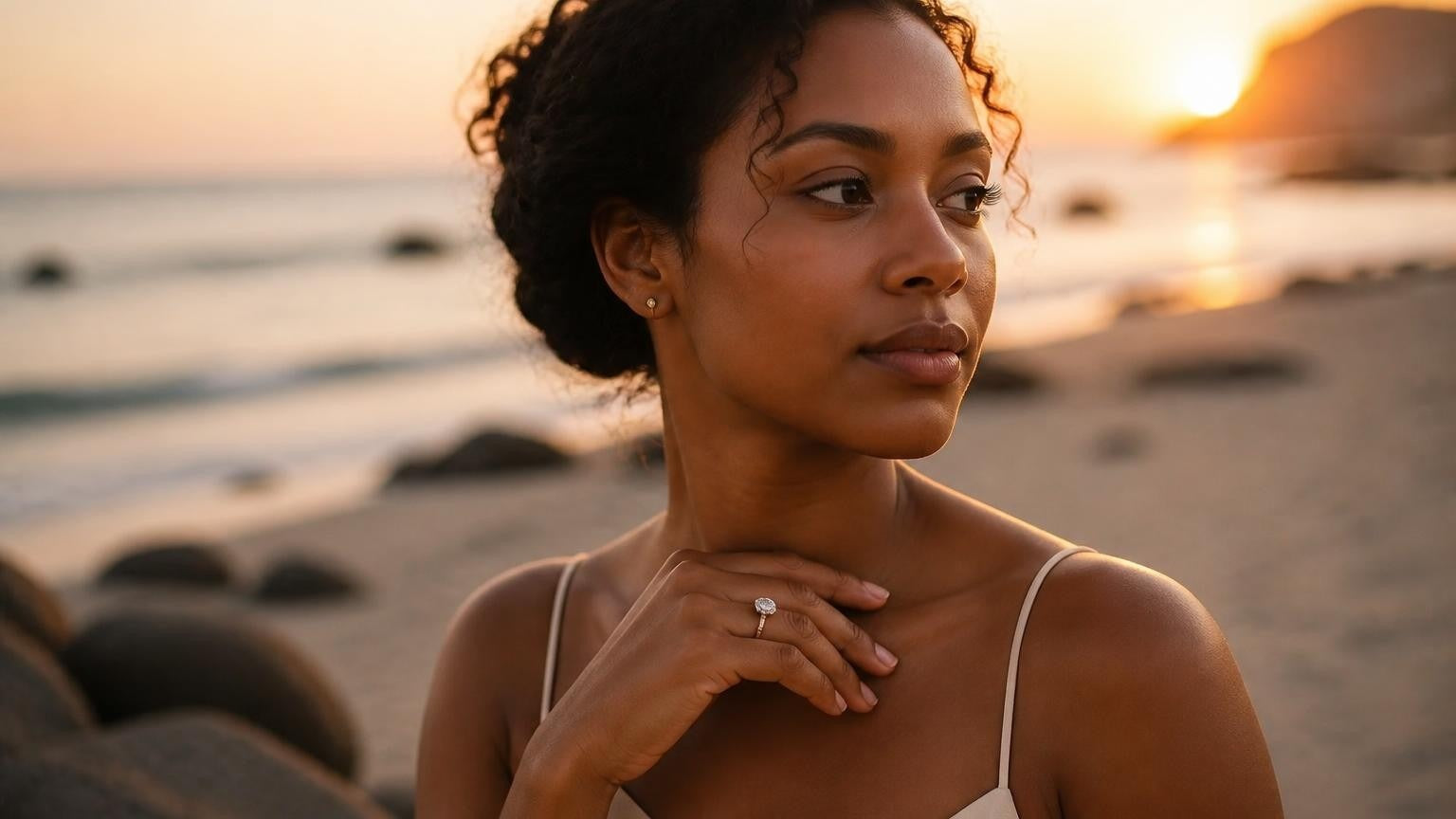
The Satéur Destinée Ring™ is the piece that built The New Diamond Standard® — and the reason over 100,000 couples across 150+ countries chose differently.
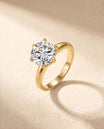
- The gem. A round-cut Satéur Gems® centrepiece, available from 1 to 7 carats, graded in the D–F colourless range. The clean, white brilliance of a flawless diamond — indistinguishable with the naked eye.
- The setting. Hand-set in an 18k white-gold finish band with a classic six-prong solitaire profile.
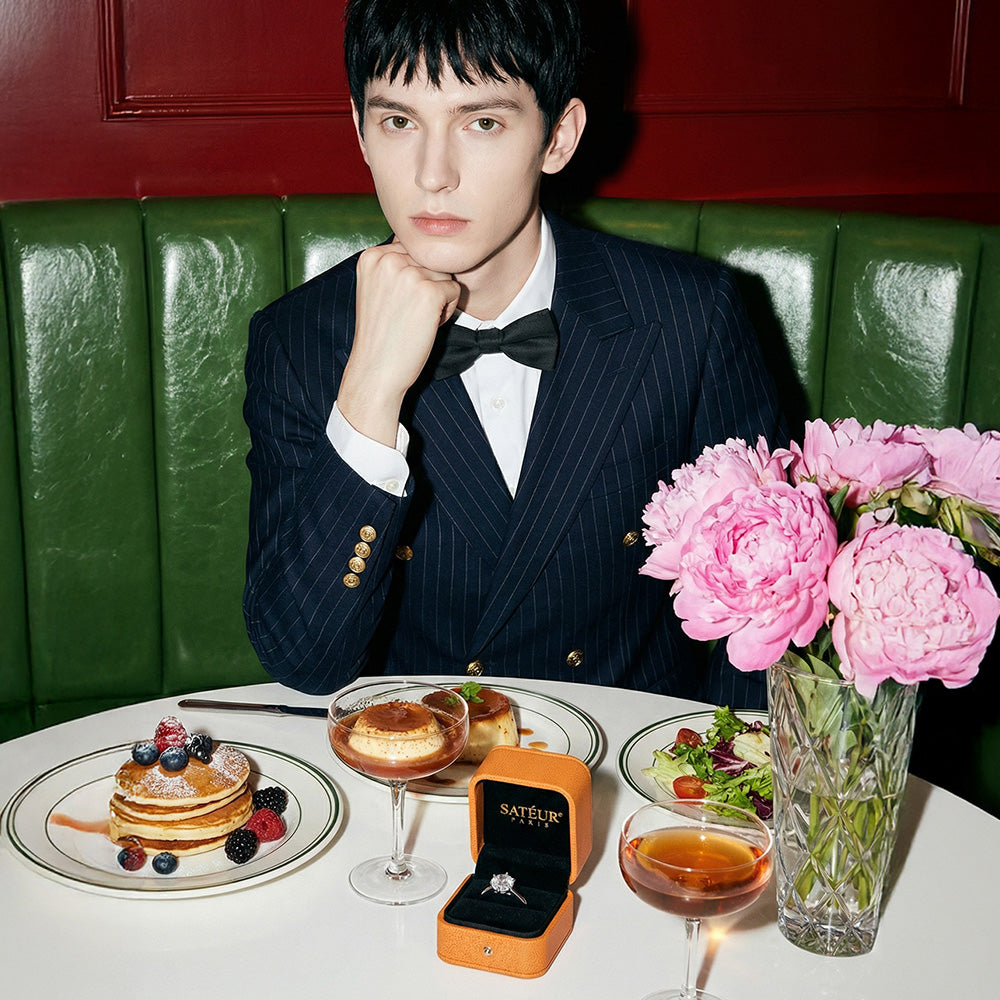
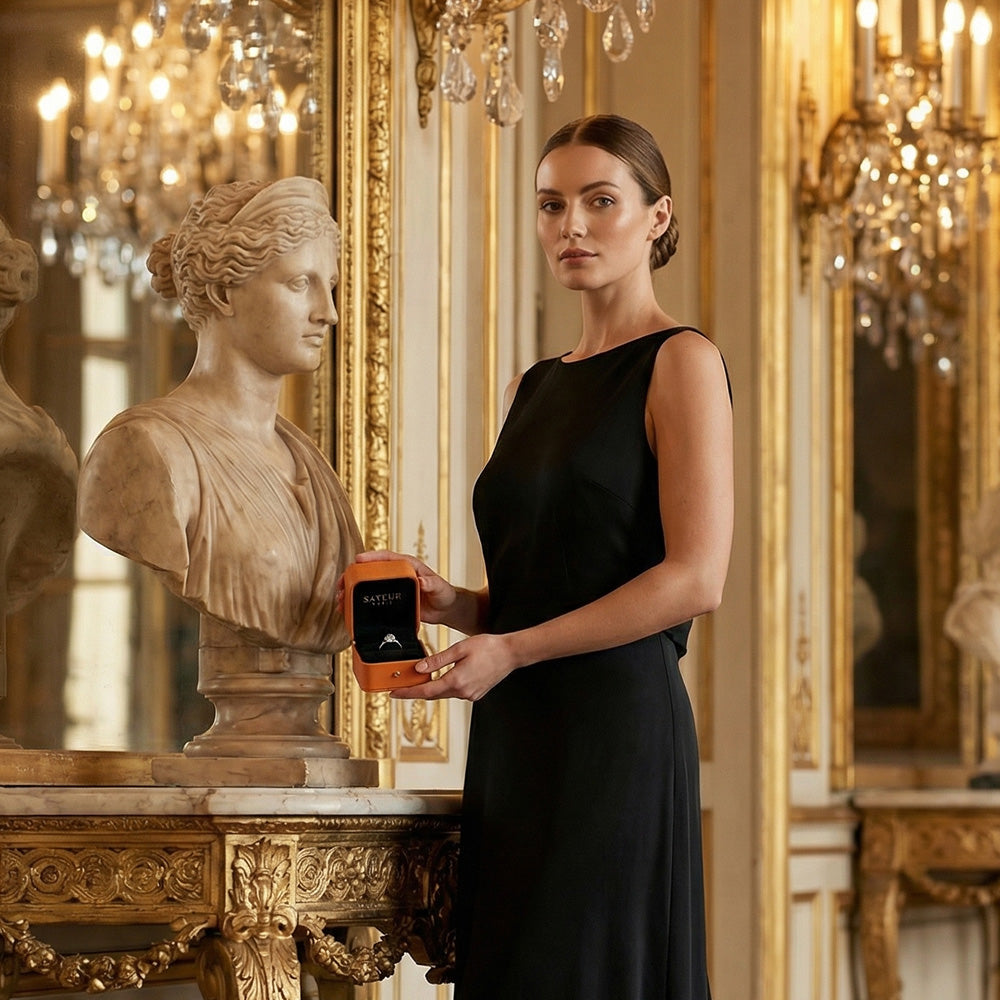
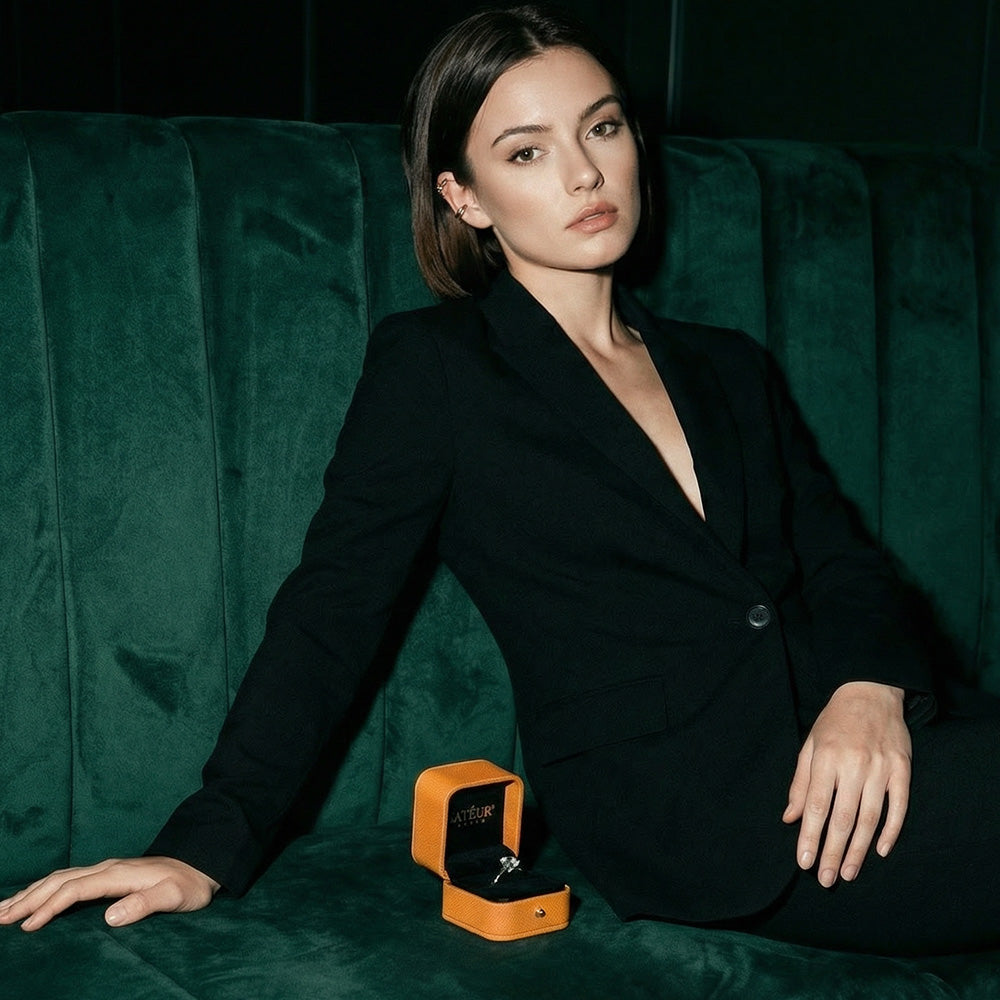
- The presentation. Each ring arrives in the signature orange Satéur box with built-in LED light — crafted for the moment of the proposal.
- The terms. Free delivery to Mongolia, 30-day returns, and Lifetime Satéur Care.
- The price. From $138 (≈₮478,000). Compare to a $10,000 mined diamond.
It is not a diamond, and it does not pretend to be. It is a different answer to the same question: how do you give the look, the moment and the meaning — without the markup.
Conclusion
Mongolia gives couples every option: the jewellery floors of Ulaanbaatar's great department store for those set on a mined diamond, a growing online channel for lab-grown choices, and alternatives that deliver the same presence for one percent of the price.
The right choice is not about what the market expects. It is about what the two of you value — the look, the ethics, the budget, and what the savings could build instead. The airag has been poured and the family has said yes. Now choose the ring that matches the moment.
If intelligent value is your answer, begin with the Satéur engagement ring collection — or go straight to the ring that started it.

Satéur Destinée Ring™
The look of a flawless diamond — from $138, delivered free to Mongolia.
Compare to a $10,000 mined diamond
Joined by 100,000+ couples across 150+ countries.
Shop the Destinée RingFree worldwide shipping · 30-day returns · Lifetime Satéur Care
Frequently Asked Questions
What is the best affordable engagement ring in Mongolia?
The Satéur Destinée Ring™ is the leading affordable engagement ring available in Mongolia — a trademarked diamond simulant with the clean, white look of a flawless diamond, from $138 (≈₮478,000), with free delivery to Mongolia and 30-day returns. For traditional mined options, the jewellery concessions at Ulaanbaatar's State Department Store and Shangri-La Mall offer the widest local selection.
How much does an engagement ring cost in Mongolia?
Most couples in Ulaanbaatar spend between ₮300,000 and ₮1,500,000 ($88–$440). A one-carat mined diamond ring typically starts around ₮13,000,000–₮17,000,000 through premium retail channels, while lab-grown diamond rings run ₮2,700,000–₮8,500,000. Premium alternatives such as Satéur Gems® start from $138 (≈₮478,000) and moissanite from ~$98 (≈₮340,000).
Which hand do Mongolian couples wear the engagement ring on?
In Mongolia, the engagement ring is traditionally worn on the left hand, consistent with the Russian and Soviet-influenced convention that is dominant across both Ulaanbaatar and rural communities. This practice is widely uniform and differs from some neighbouring countries where the right hand is traditional.
Where should I buy an engagement ring in Ulaanbaatar?
In Ulaanbaatar: the jewellery floors of the State Department Store (Улсын их дэлгүүр) for a broad traditional selection; Shangri-La Mall and Sky Shopping Center concessions for modern Korean-influenced bridal styles; and Narantuul Market for price-competitive gold bands. Online, Satéur delivers free to all of Mongolia with 30-day returns.
Does Satéur deliver to Mongolia?
Yes. Satéur ships free to Mongolia, with 30-day returns and Lifetime Satéur Care included. Prices are shown in USD at checkout; the approximate tögrög equivalent is ₮478,000 from $138.
Are lab-grown diamonds popular in Mongolia?
Lab-grown diamonds are growing in awareness in Mongolia, primarily through online retail and the influence of South Korean bridal media on Ulaanbaatar's young professional class. They are real diamonds, optically identical to mined ones, at roughly 60–80% less — and they sit alongside simulants such as Satéur Gems® as the two fastest-growing alternatives to mined diamonds among Mongolian couples.









Leave a comment
This site is protected by hCaptcha and the hCaptcha Privacy Policy and Terms of Service apply.