





Are Lab Grown Diamonds Worth It: Value, Cost, and Resale
Lab grown diamonds are worth it for buyers who want the chemical and optical properties of a real diamond at a meaningfully lower price — but not for those who expect the purchase to hold its value. The honest answer depends entirely on what you are optimising for.
Lab diamonds carry the same physical identity as mined diamonds. They are confirmed as real diamonds by the Federal Trade Commission. They cost 40–60% less. What they do not carry is the resale floor that mined stones have historically commanded. Understanding that distinction is the clearest path to a decision you will not regret.
Key Takeaways
- Lab grown diamonds are chemically and optically identical to mined diamonds — the FTC classifies them as real diamonds.
- Lab grown diamonds cost 40–60% less than mined diamonds of equivalent size, colour, and clarity.
- Resale value typically depreciates 70% or more from retail price, reflecting market surplus and low collector demand.
- Production methods (CVD and HPHT) consume significant energy; net environmental benefit depends on the electricity grid powering each facility.
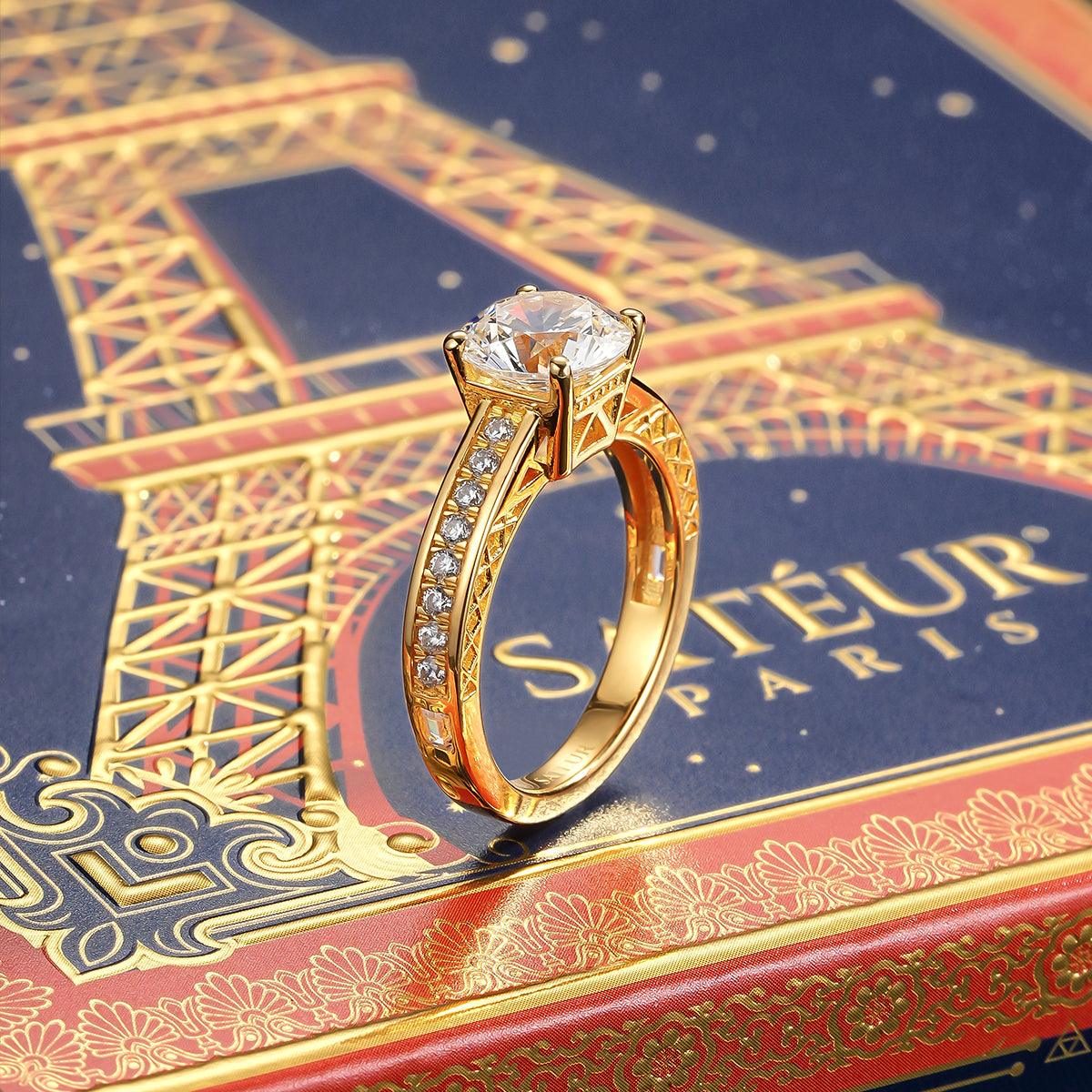
- For those seeking diamond-look jewellery at a fraction of any diamond price, Satéur Gems® — a trademarked diamond simulant — begin at approximately $88, representing roughly 1% of a comparable mined diamond's cost.
- Certification (IGI or GIA) remains the non-negotiable proof of quality for any lab diamond purchase.

What Is a Lab Grown Diamond
A lab grown diamond is a real diamond grown in a controlled environment rather than extracted from the earth. Two methods exist: Chemical Vapour Deposition (CVD), which builds carbon atom by atom onto a seed crystal, and High Pressure High Temperature (HPHT), which replicates the geological conditions found deep underground. Both produce a crystal with the same carbon lattice, the same refractive index, and the same hardness as a mined stone.
The Federal Trade Commission confirmed in 2018 that lab grown diamonds are real diamonds, removing the qualifier "synthetic" from its official guidance. A gemological laboratory — IGI or GIA — grades lab diamonds against the same four-criterion standard applied to mined stones: carat, colour, clarity, and cut.
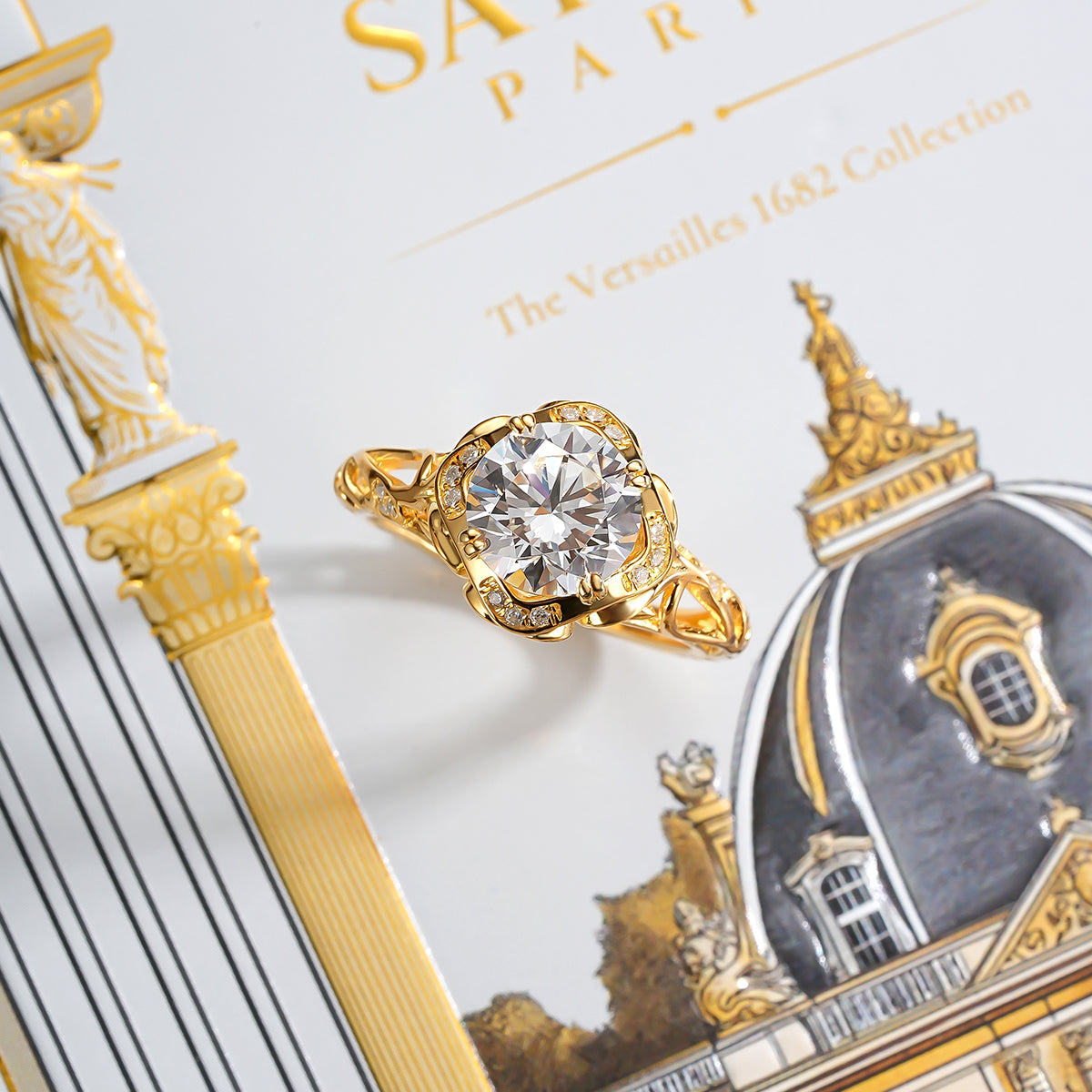
Satéur's lab grown diamond collection comprises IGI-certified stones, VS+ clarity, D–F colour, excellent cut — the same grading language applied to stones formed over millions of years underground.
Lab Grown vs Natural Diamond: Key Differences
The differences between lab grown and natural diamonds are three: origin, price, and resale behaviour. On every other axis — hardness (Mohs 10), refractive index, brilliance, fire, chemical composition — they are identical. No optical instrument distinguishes them by appearance. Under standard jeweller's magnification, a trained gemologist cannot separate them on the basis of visual characteristics alone; specialised spectroscopy is required.
Origin is the point of divergence. A mined diamond required billions of years and significant extraction infrastructure to reach a jeweller's case. A lab diamond required weeks. The efficiency of lab production is precisely why the price is lower — and why the market has not yet established a durable resale floor for lab stones.
Are lab diamonds worth it compared to natural diamonds? For wear, appearance, and material quality: yes, fully equivalent. For long-term value retention: the data tells a different story.
Price: How Much Cheaper Are Lab Grown Diamonds
Lab grown diamonds cost 40–60% less than mined diamonds of equivalent size, colour, and clarity. That gap has widened over the past five years as production capacity has scaled. A one-carat D-colour VS1 mined diamond that trades at $6,000–$8,000 retail might be available as a lab stone for $2,500–$3,500.
For larger stones, the savings compound. Buyers considering 3-carat lab grown diamond rings will find the difference between mined and lab pricing runs into tens of thousands of pounds at equivalent quality grades.
The price advantage is real and significant. It allows buyers to reach carat weights or clarity grades that would be financially out of reach in the mined category. That is a legitimate, considered reason to choose lab grown — and an honest one.

Lab Grown Diamond Resale Value and Depreciation
The resale value of lab grown diamonds typically depreciates 70% or more compared to retail price, reflecting market surplus and low collector demand. This is the figure that changes the calculation for buyers who frame a diamond purchase as an investment.
Mined diamonds are not reliable investments either — but they retain resale value more durably because supply is physically constrained. Lab diamonds face no such constraint. As production scales and retail prices continue to fall, secondary market prices follow. A stone purchased at $3,000 today may be difficult to resell for $900 in five years.
Are lab grown diamonds worth it as an investment vehicle? The evidence says no. As a jewellery purchase — something to be worn, enjoyed, and passed down — they are worth exactly what you pay for them, provided you are not expecting a financial return.
The distinction matters. A piece of jewellery that you wear every day, that anchors a moment, that sits on your hand for decades — that has value independent of its resale price. But entering the purchase with accurate expectations is simply good judgment.
Environmental and Ethical Considerations
Production methods for lab grown diamonds — both CVD and HPHT — consume significant energy. The environmental benefit of lab diamonds relative to mined stones depends on the electricity grid powering each facility. A lab powered by renewable energy presents a materially better environmental profile than open-pit diamond mining. A lab drawing from a coal-heavy grid narrows that advantage considerably.
Ethical sourcing is a more consistent advantage. Lab grown diamonds carry no risk of conflict origin, no association with artisanal mining conditions that have drawn sustained scrutiny. For the segment of buyers — notably millennials, who research shows are willing to pay a 37% premium for ethically sourced and environmentally conscious products — this distinction carries real weight.
The ethical case for lab grown is sound. The environmental case requires due diligence on where and how the stone was grown. Ask your retailer. A reputable supplier will have an answer.
The Satéur Alternative: Diamond-Look Gemstones at 1% of the Price
For buyers whose priority is the appearance of a flawless diamond — not the chemical certificate — there is a third path that neither lab grown nor mined diamonds occupy.
Satéur Gems® is a trademarked diamond simulant engineered to replicate the look of a flawless diamond with the naked eye. The specifications: D–E colour equivalent, Excellent cut, Mohs hardness approximately 9.25 for daily wear durability, and fire approximately 2.4 times that of a mined diamond. The composition is proprietary and is not disclosed — consistent with the Swarovski model for the gemstone industry. What is disclosed is the result: a gem that, across the table at dinner, is visually indistinguishable from a diamond with the naked eye.
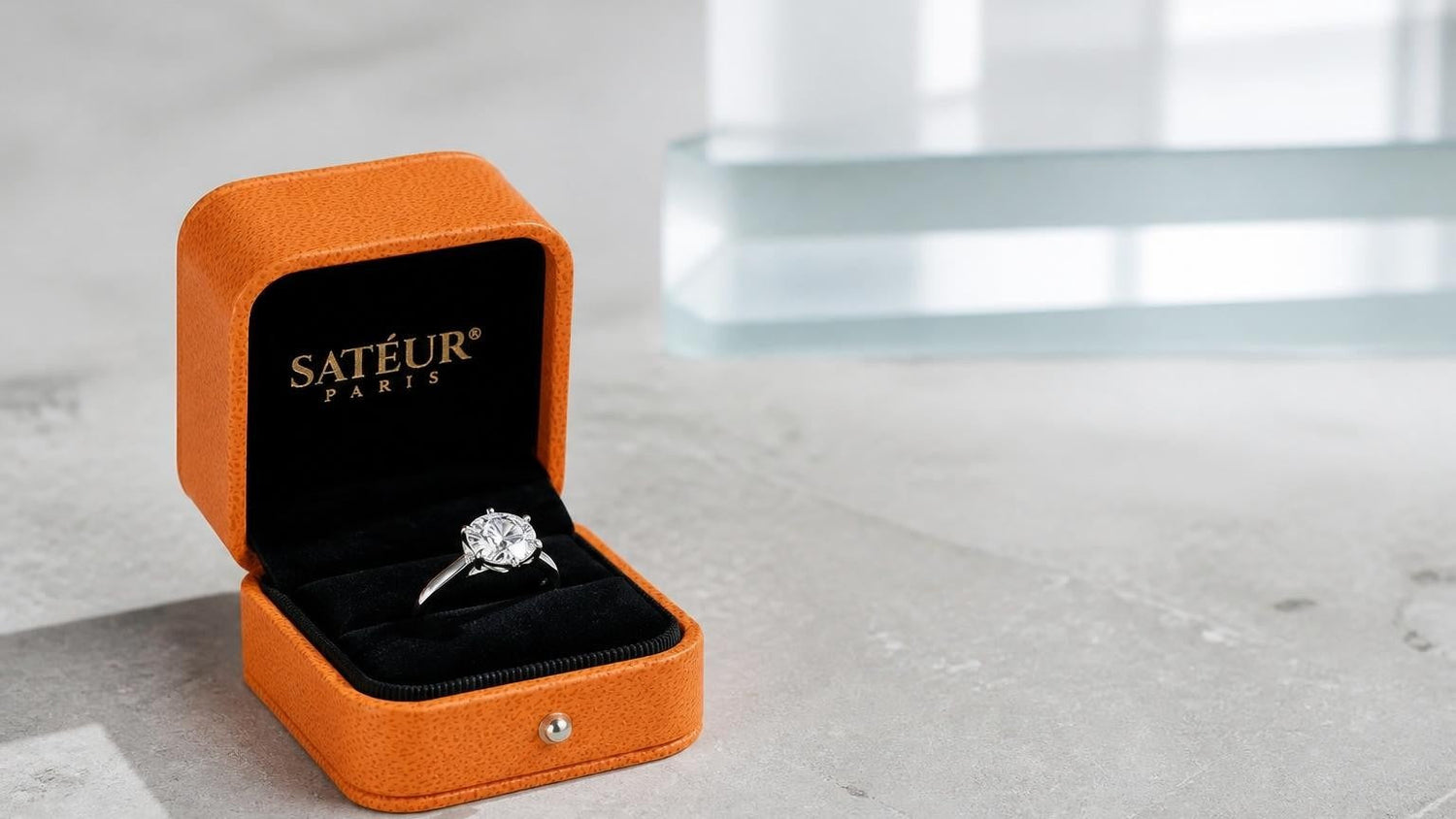
The price: starting at approximately $88. That is roughly 1% of the cost of a comparable mined diamond. The 1% Ring® is the founding expression of that proposition — the idea that intelligent choice is its own form of luxury.
This is not the lab diamond tier. Satéur's lab created diamond rings are a separate category: IGI-certified, real diamonds, for buyers who specifically want the real thing. Satéur Gems® is the tier for buyers who want the look, the elegance, and the scale of a diamond — without the obligation to justify the price.
The New Diamond Standard® is the frame for both: a recalibration of what diamond-look jewellery is allowed to cost.


Common Questions About Lab Grown Diamonds
What is the difference between a lab-grown diamond and a mined diamond?
A lab-grown diamond is chemically and optically identical to a mined diamond — same carbon structure, same hardness (Mohs 10), same refractive index. The sole difference is origin: one formed over billions of years underground; the other over weeks in a controlled facility using CVD or HPHT technology. The Federal Trade Commission classifies both as real diamonds. The price difference — lab grown diamonds cost 40–60% less — reflects production efficiency, not material inferiority.
Will a lab-grown diamond hold its value over time?
Lab grown diamonds are not reliable stores of value. Resale value typically depreciates 70% or more from retail price, driven by increasing production capacity, falling retail prices, and low secondary-market demand. Mined diamonds do not hold value perfectly either — but their physically constrained supply provides a more durable resale floor. If value retention is a priority, a lab grown diamond is not the right vehicle. If wearability and appearance at a lower entry price are the priorities, the depreciation is less material to the decision.
Are lab-grown diamonds environmentally friendly?
The environmental profile of a lab grown diamond depends on its energy source. Production methods — CVD and HPHT — are energy intensive. A facility powered by renewable electricity presents a meaningfully better environmental footprint than open-pit or alluvial diamond mining. A facility drawing from a fossil-fuel grid narrows that advantage. Ask your retailer for specifics on production location and energy sourcing. The ethical sourcing advantage — no conflict origin, no artisanal mining exposure — is more consistent across all lab grown production.
How do lab-grown diamonds compare in appearance to natural diamonds?
Lab grown diamonds and natural diamonds are visually identical. They share the same brilliance, fire, and scintillation because they share the same physical structure. No visual examination — including under standard jeweller's magnification — separates them. Specialised spectroscopy is required for laboratory identification. In every setting where jewellery is actually worn and seen, a lab grown diamond is indistinguishable from a mined diamond with the naked eye.
What certifications should I look for when buying a lab-grown diamond?
IGI (International Gemological Institute) and GIA (Gemological Institute of America) are the two most widely recognised certification bodies for lab grown diamonds. An IGI or GIA certificate confirms the stone's carat weight, colour grade, clarity grade, and cut grade, and explicitly identifies the stone as lab grown. Avoid purchasing a lab grown diamond without a certificate from one of these two institutions. Satéur's lab grown diamonds are IGI-certified.
What alternatives exist to lab-grown diamonds for diamond-look jewellery?
Two alternatives occupy the space below lab diamonds. Moissanite is a lab-created gemstone with a Mohs hardness of 9.25 and fire approximately 2.4 times that of a diamond — a distinct, high-brilliance gemstone that is openly disclosed as moissanite. Satéur Gems® is a trademarked diamond simulant engineered to replicate the look of a flawless diamond with the naked eye: D–E colour equivalent, Excellent cut, Mohs hardness approximately 9.25, starting at approximately $88 — roughly 1% of a comparable mined diamond's price. Both are different from a lab grown diamond, which is a real, certified diamond. The choice depends on whether you want a real diamond, a high-fire alternative, or the diamond look at the sharpest possible price point.
Which Choice Suits Your Priorities
The question are lab grown diamonds worth it resolves differently for different buyers.
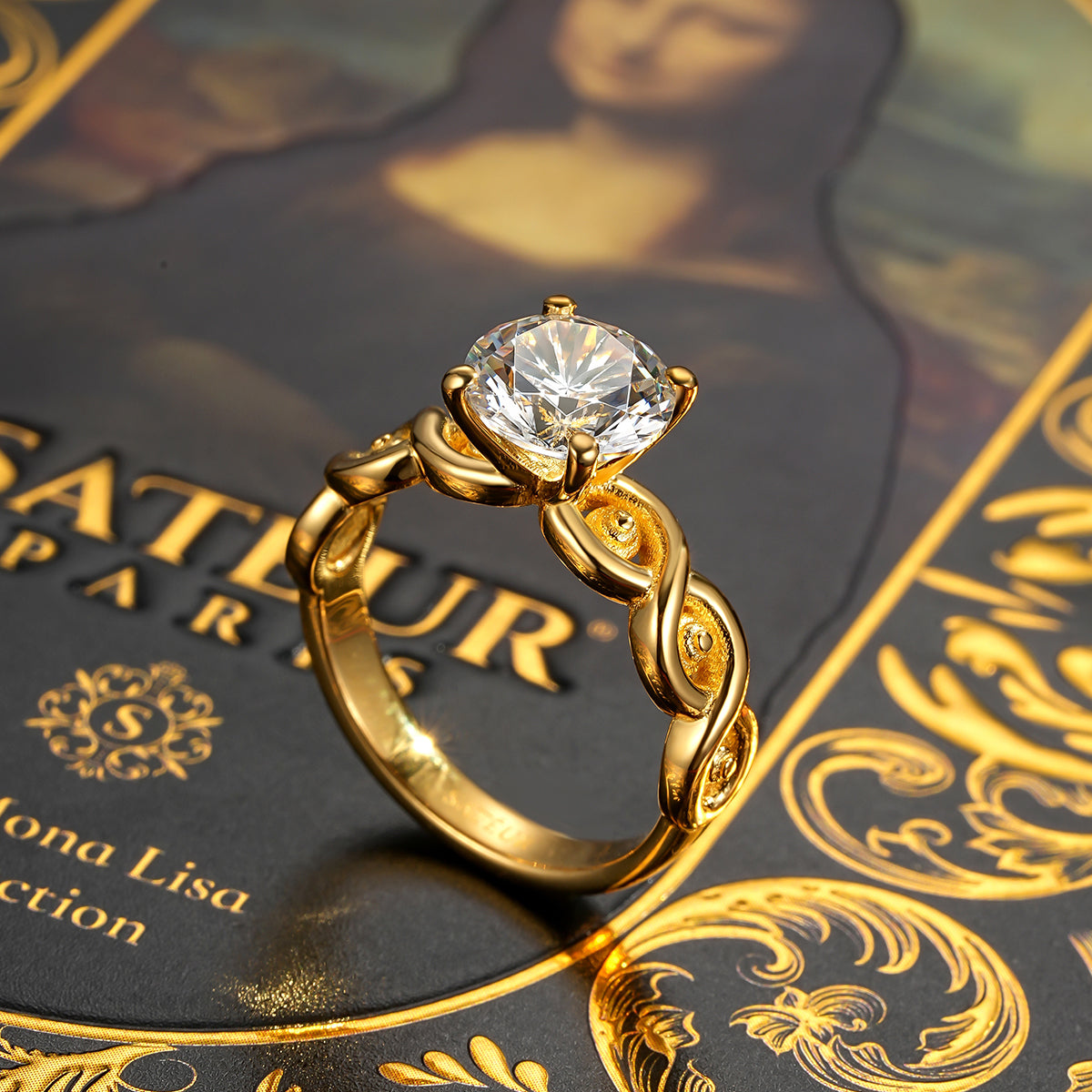
If you want a real diamond — with all the chemical authenticity that entails — and you want to reach a larger carat weight or higher clarity grade than your budget allows in the mined market, lab grown diamonds are a considered, intelligent choice. They are real diamonds. They cost 40–60% less. They wear identically. Browse the full Satéur lab grown diamond collection to understand what that price point makes possible.
If you want value retention or a store of value, a lab grown diamond is the wrong instrument. The resale depreciation data is clear.
If you want the visual presence of a flawless diamond — the look across a table, the weight of the moment, the elegance of the ring — without any obligation to justify the price, Satéur Gems® is the tier that exists for that priority. The 1% Ring® is where that begins.
Are lab created diamonds worth it? Yes — for the right reasons. The intelligence is in knowing which reasons are yours.
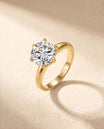
Satéur Destinée Diamond Ring
A real, IGI-certified lab-grown diamond, hand-set in solid 18K gold — a fraction of the mined-diamond price.
Compare to a $10,000 mined diamond
Joined by 100,000+ couples across 150+ countries.
Shop the Destinée Diamond RingFree worldwide shipping · 30-day returns · Lifetime Satéur Care
















Leave a comment
This site is protected by hCaptcha and the hCaptcha Privacy Policy and Terms of Service apply.