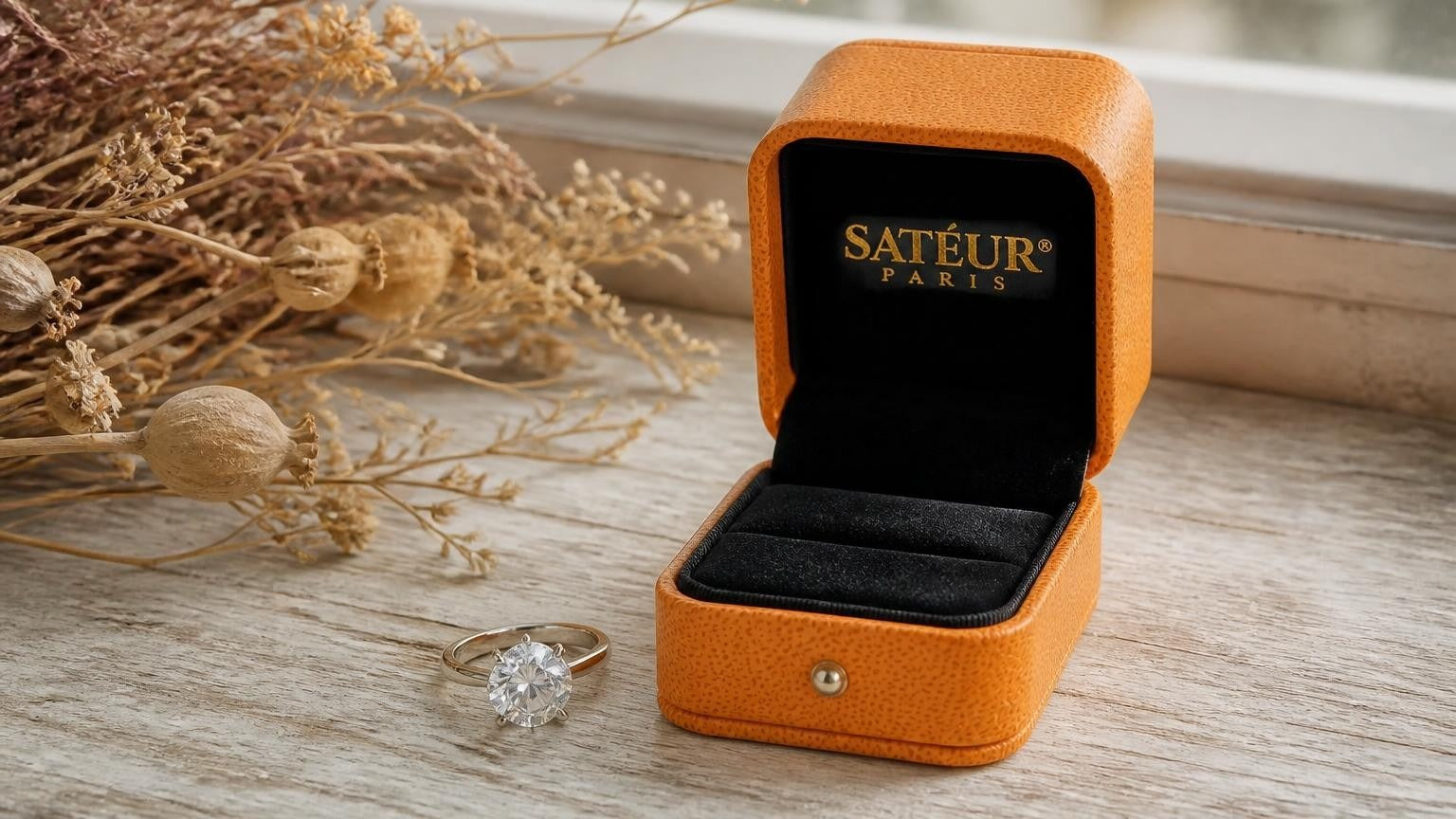
What Is the Fake Diamond Called? Diamond Simulants Explained
"Fake diamond" is layperson shorthand. The correct term is diamond simulant — moissanite, cubic zirconia, white sapphire, and Satéur Gems® each offer a dis
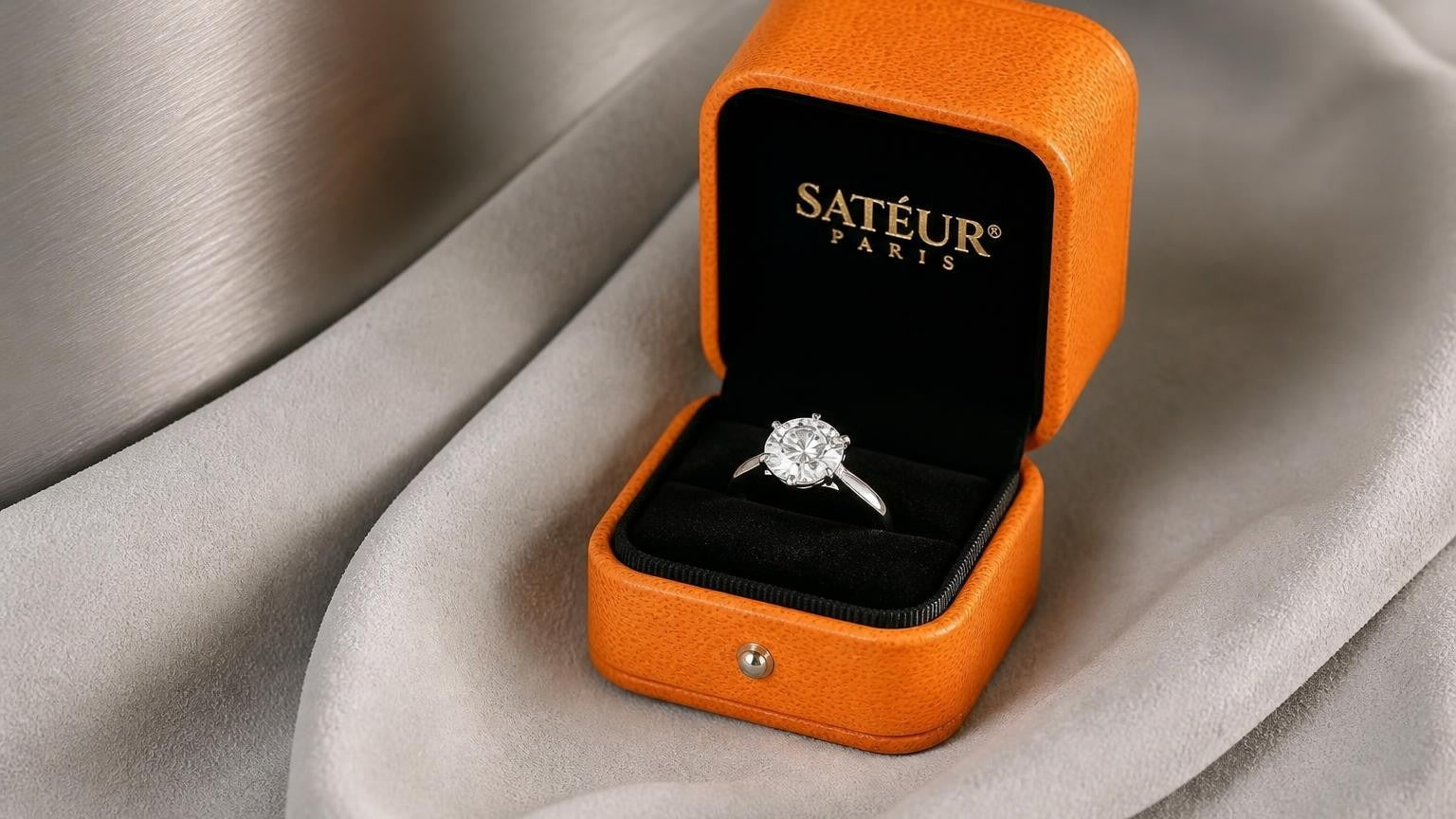
What Is a Fake Diamond? Simulants, Types & the Smartest Choice
A 'fake diamond' is a diamond simulant — a real gemstone that replicates the diamond look. Discover CZ, moissanite, white sapphire and Satéur Gems®.
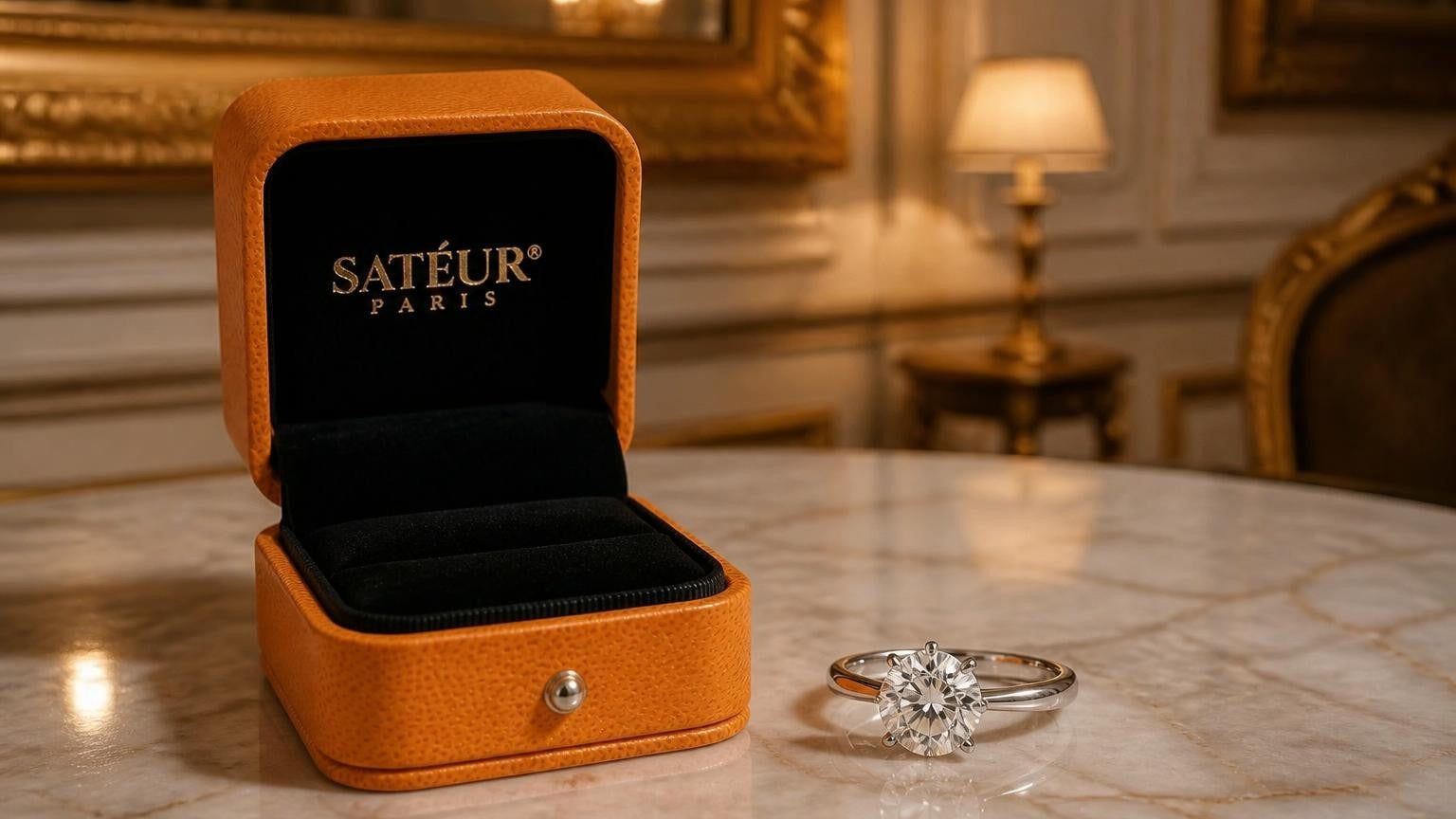
Real vs Fake Diamond Shine: What the Light Actually Shows
How does real diamond shine differ from simulants? Understand brilliance, fire, and dispersion — and why the choice is simpler than the industry suggests.
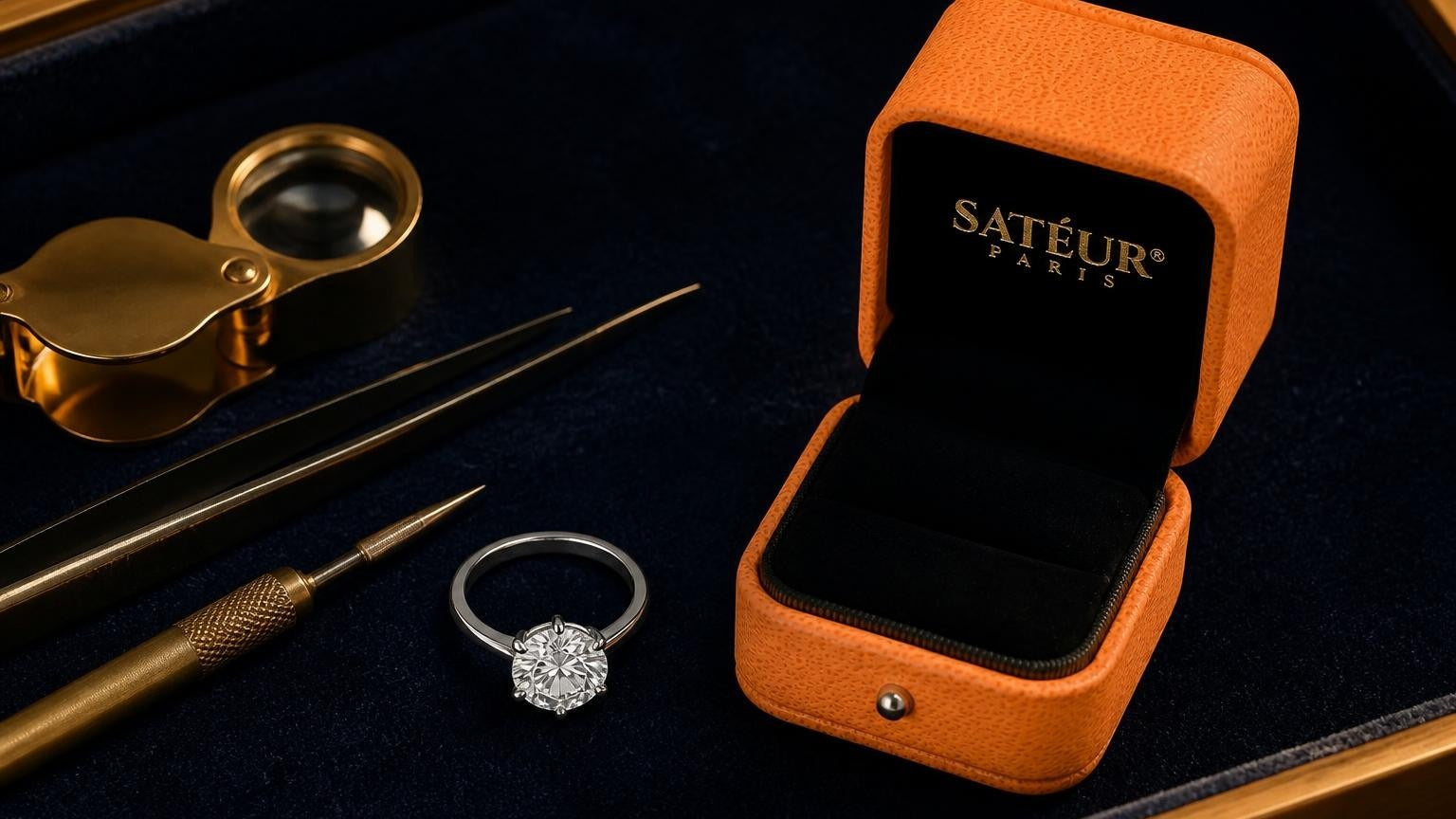
What Is a Simulated Diamond? The Complete Guide
Simulated diamonds replicate the brilliance of mined diamonds at a fraction of the price. Learn the differences between diamond simulants, from moissanite
Satéur® — El Anillo del 1%®
Parece un diamante de 10.000 dólares. Cuesta solo el 1%.Un nuevo estándar de brillo — definido por claridad, no por convencionalismos.
Productos populares


A landmark, on the hand.


The hand, made sovereign.


A pair, for the icon.


The collector's full chapter.


Two rings. One vow.


The masterwork.


A trinity, decided.


Three carats, three chapters.
Parece un diamante de $10,000, pero cuesta menos que una noche de diversión. Satéur está cambiando las reglas del compromiso.

Lo colocamos junto a un diamante real y no pudimos distinguir la diferencia. Satéur podría ser el brillo más inteligente en la joyería.

Satéur no solo vende anillos. Está creando un movimiento para parejas que buscan significado por encima del precio.

Destacado en