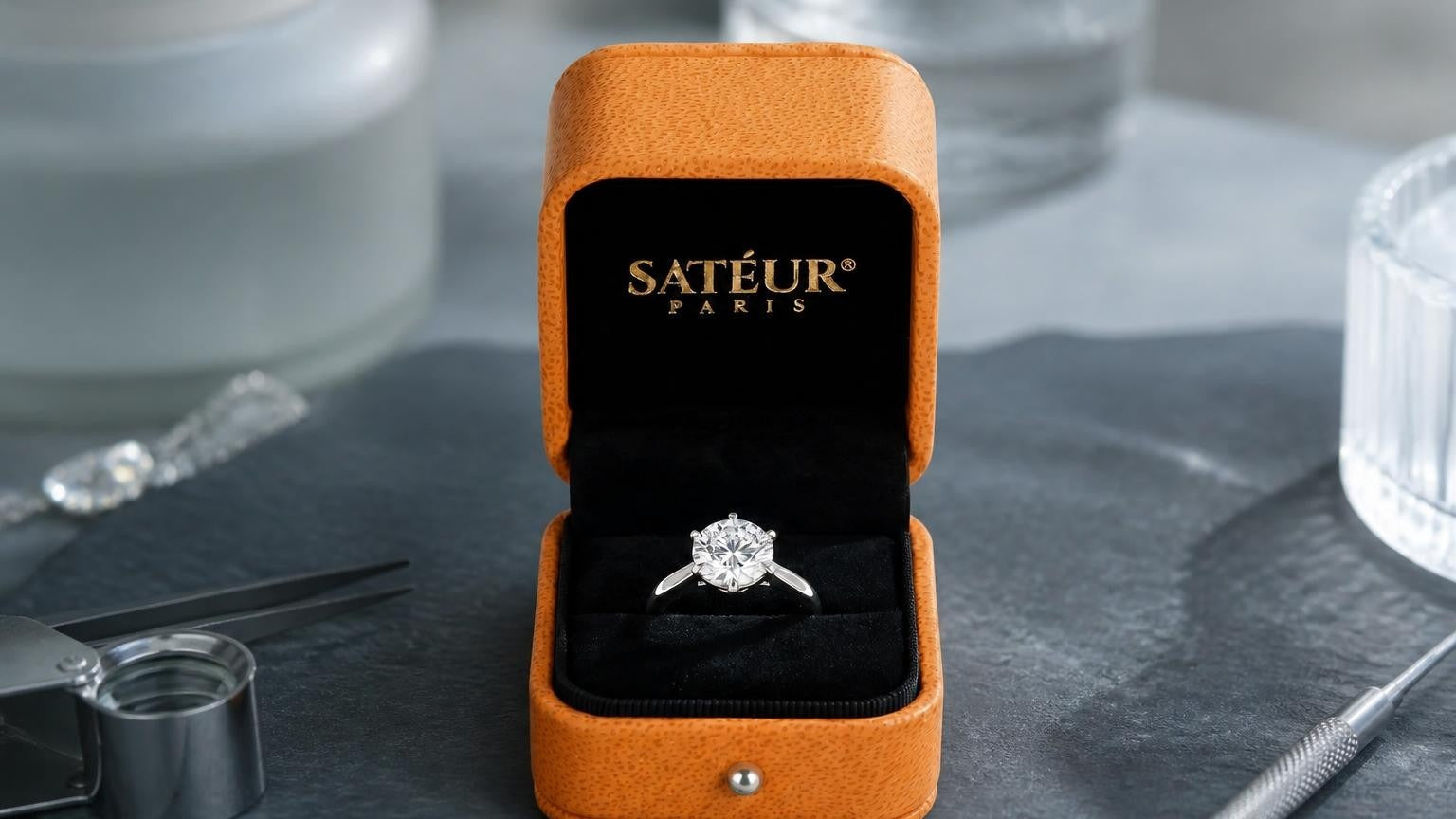
Diamond Simulant Names: What Is a Fake Diamond Called?
The respectful industry term is diamond simulant. Explore moissanite, cubic zirconia, white sapphire, white topaz, and Satéur Gems® — real gemstones with t
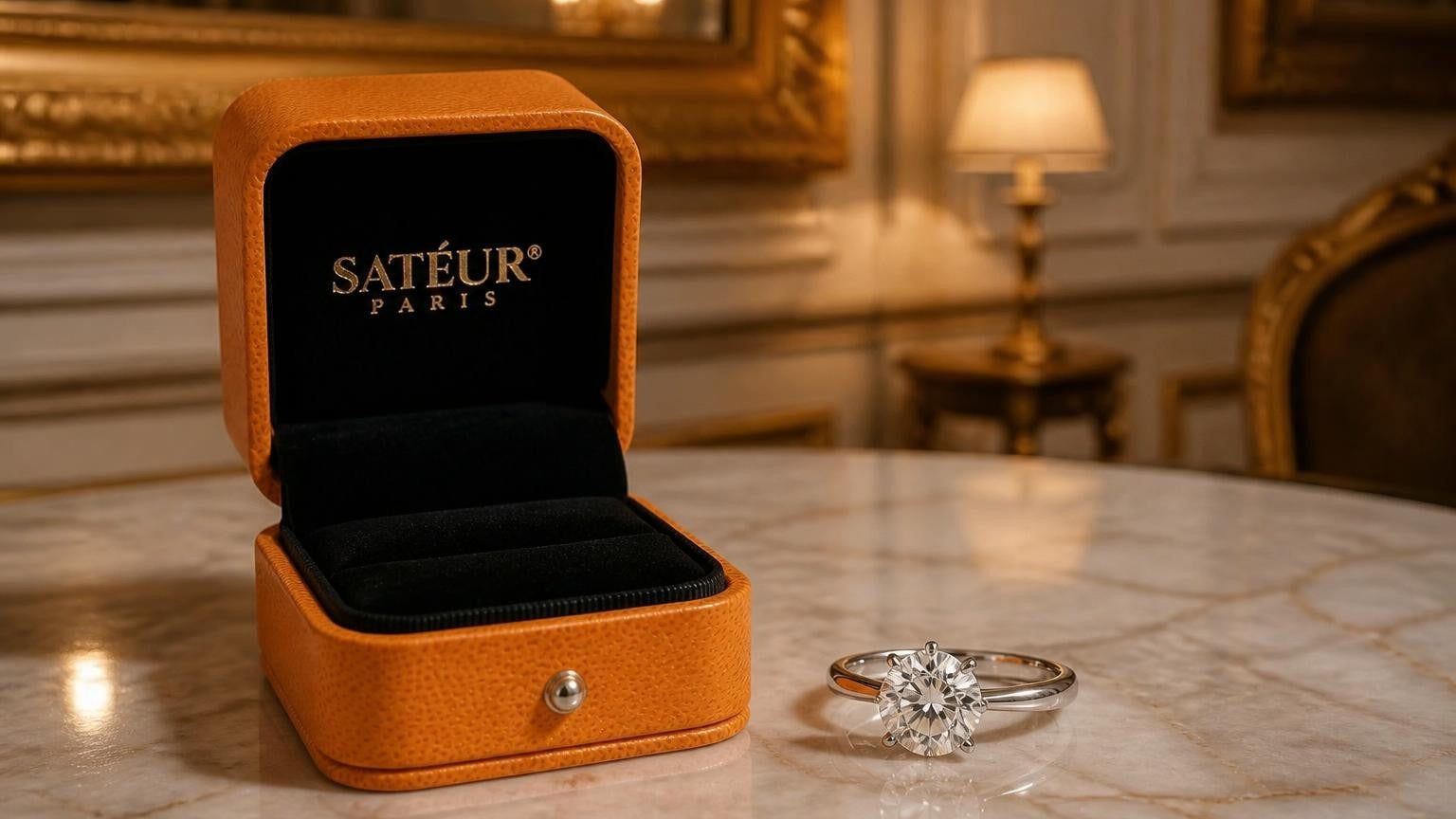
Real vs Fake Diamond Shine: What the Light Actually Shows
How does real diamond shine differ from simulants? Understand brilliance, fire, and dispersion — and why the choice is simpler than the industry suggests.
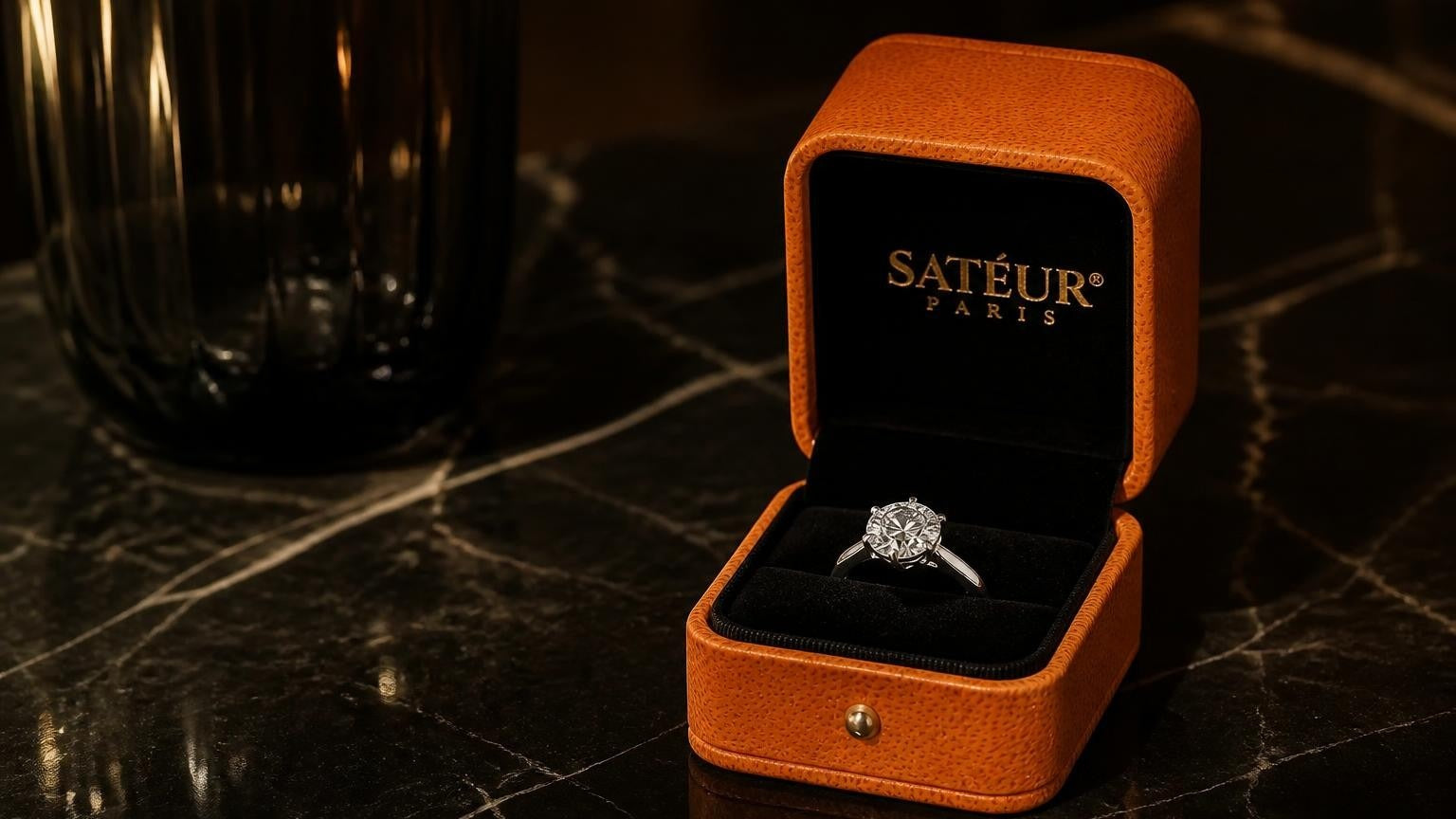
How to Tell If a Diamond Is Fake — Visual & Optical Guide
Learn how to distinguish a real diamond from a simulant using optical properties, light behaviour, and certification. Includes what to look for with the na
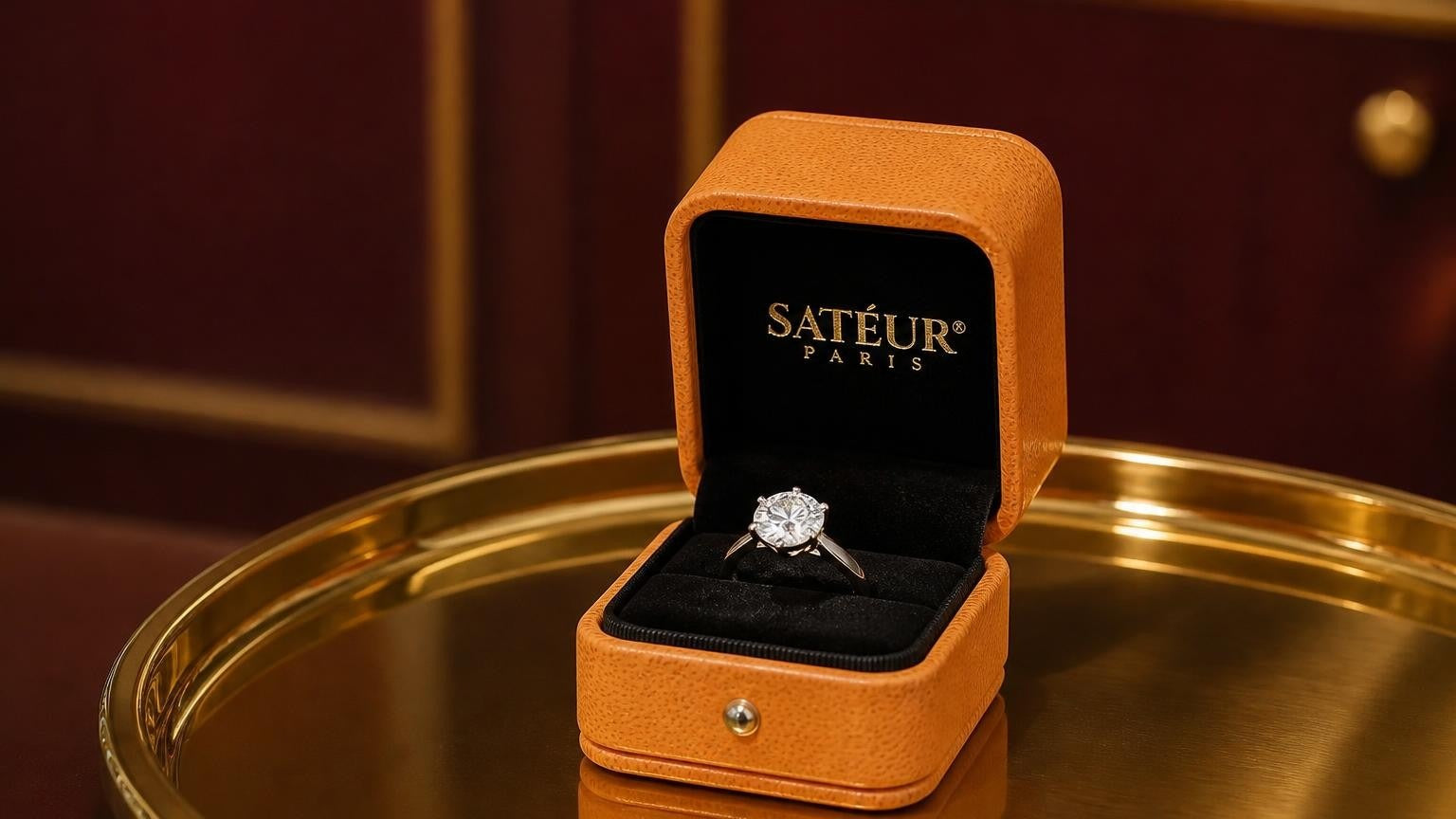
Diamond Simulant: What It Is and How It Compares
Discover what a diamond simulant is, how it differs from lab-grown diamonds, and why Satéur Gems® delivers diamond-accurate brilliance at 1% of the price.
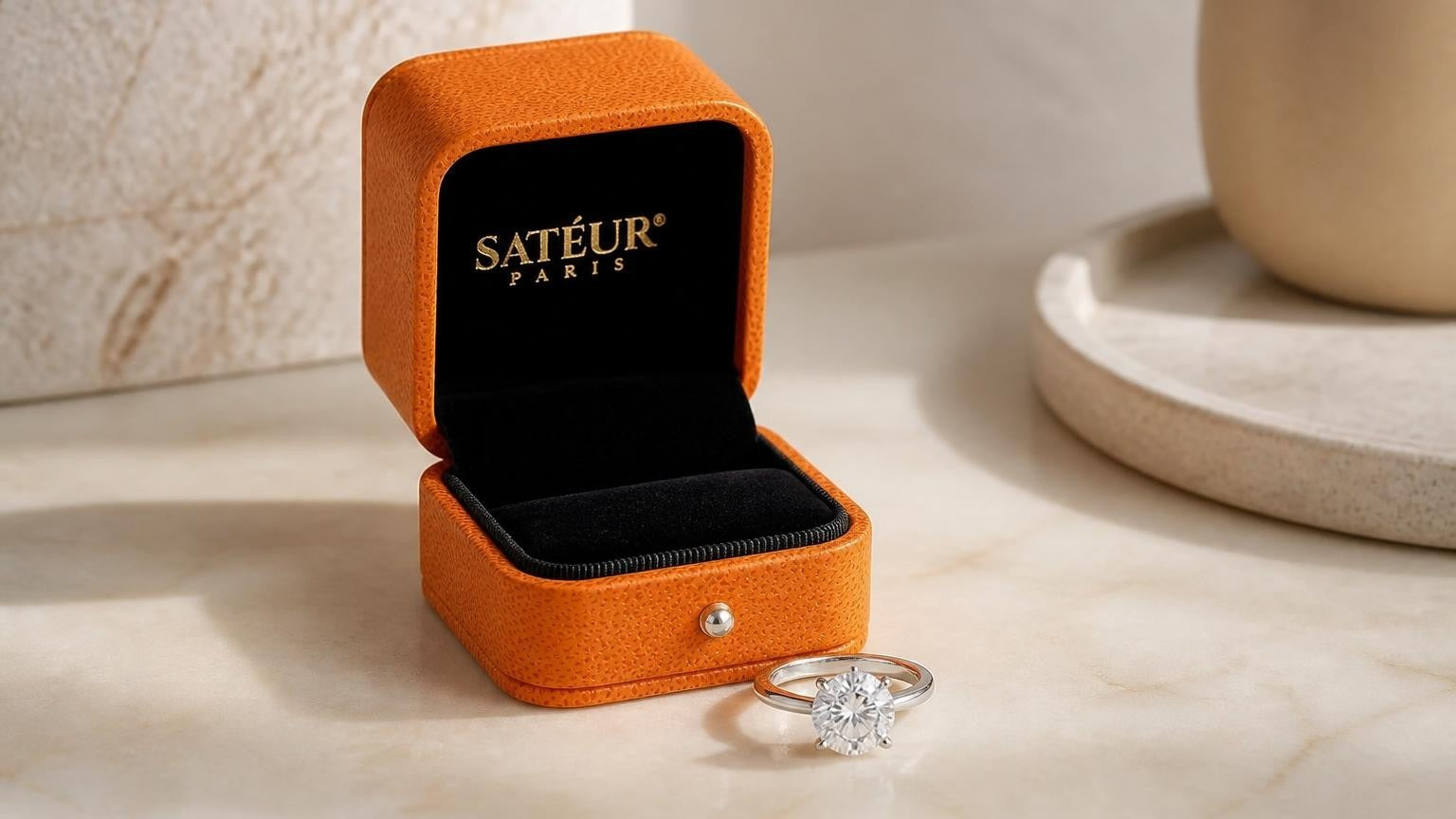
Diamond Look Alike Stones: The Complete Guide | Satéur
A clear guide to diamond look alike stones — Satéur Gems®, moissanite, white sapphire, and cubic zirconia — with specs, price tiers, and durability compare
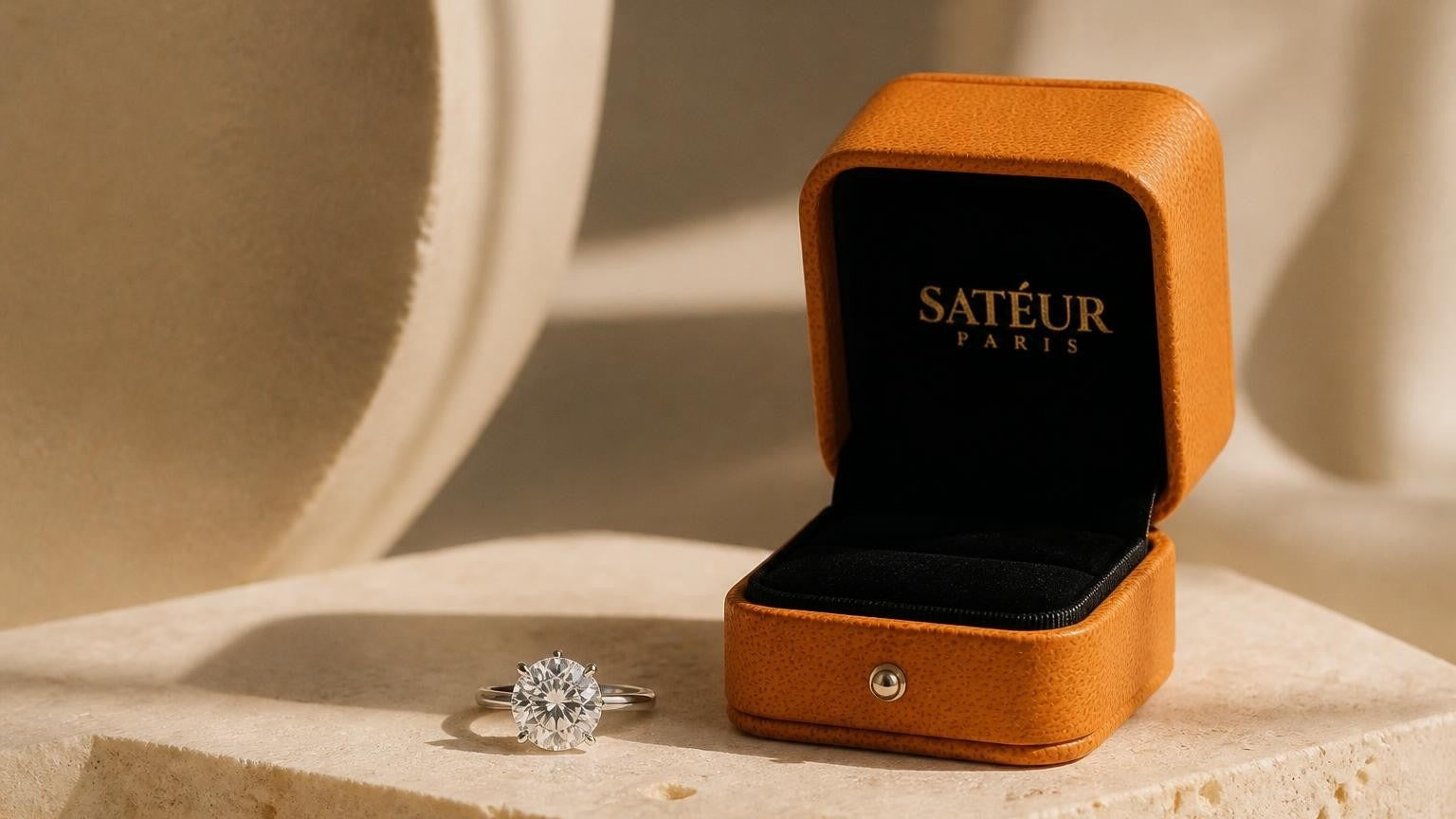
Diamond Substitute: Best Alternatives to Mined Diamonds
A clear guide to diamond substitutes — moissanite, Satéur Gems®, cubic zirconia, and white sapphire — their durability, appearance, and true value.
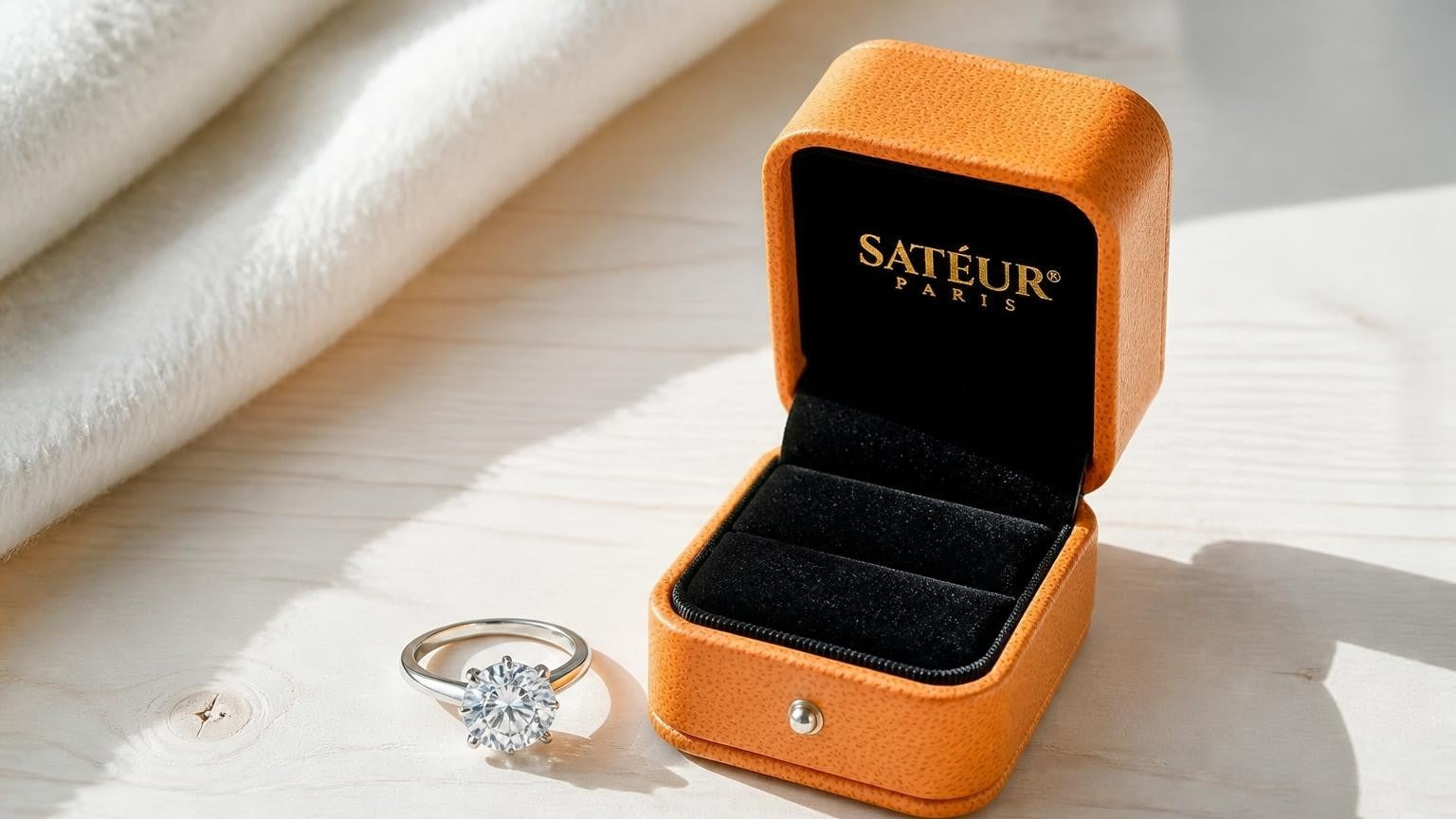
Simulated Diamond Meaning — What Diamond Simulants Are
Simulated diamond meaning explained: how diamond simulants differ from mined stones, their optical properties, durability specs, and why they cost 1% of th
Satéur® — Anel dos 1%®
Parece um diamante de 10.000 dólares. Custa apenas 1%.Um novo padrão de brilho — definido pela claridade, não pela convenção.
Produtos Populares


A landmark, on the hand.


The hand, made sovereign.


A pair, for the icon.

 2,00 QUILATESct
The collector's full chapter.


Two rings. One vow.


The masterwork.


A trinity, decided.


Three carats, three chapters.
Parece um diamante de $10.000 — mas custa menos do que uma noite fora. Satéur está a mudar as regras do compromisso.

Colocámos ao lado de um diamante verdadeiro — e não conseguimos distinguir a diferença. Satéur pode ser o brilho mais inteligente na joalharia.

Satéur não está apenas a vender anéis. Está a criar um movimento para casais que querem significado acima de preço.

Em destaque