




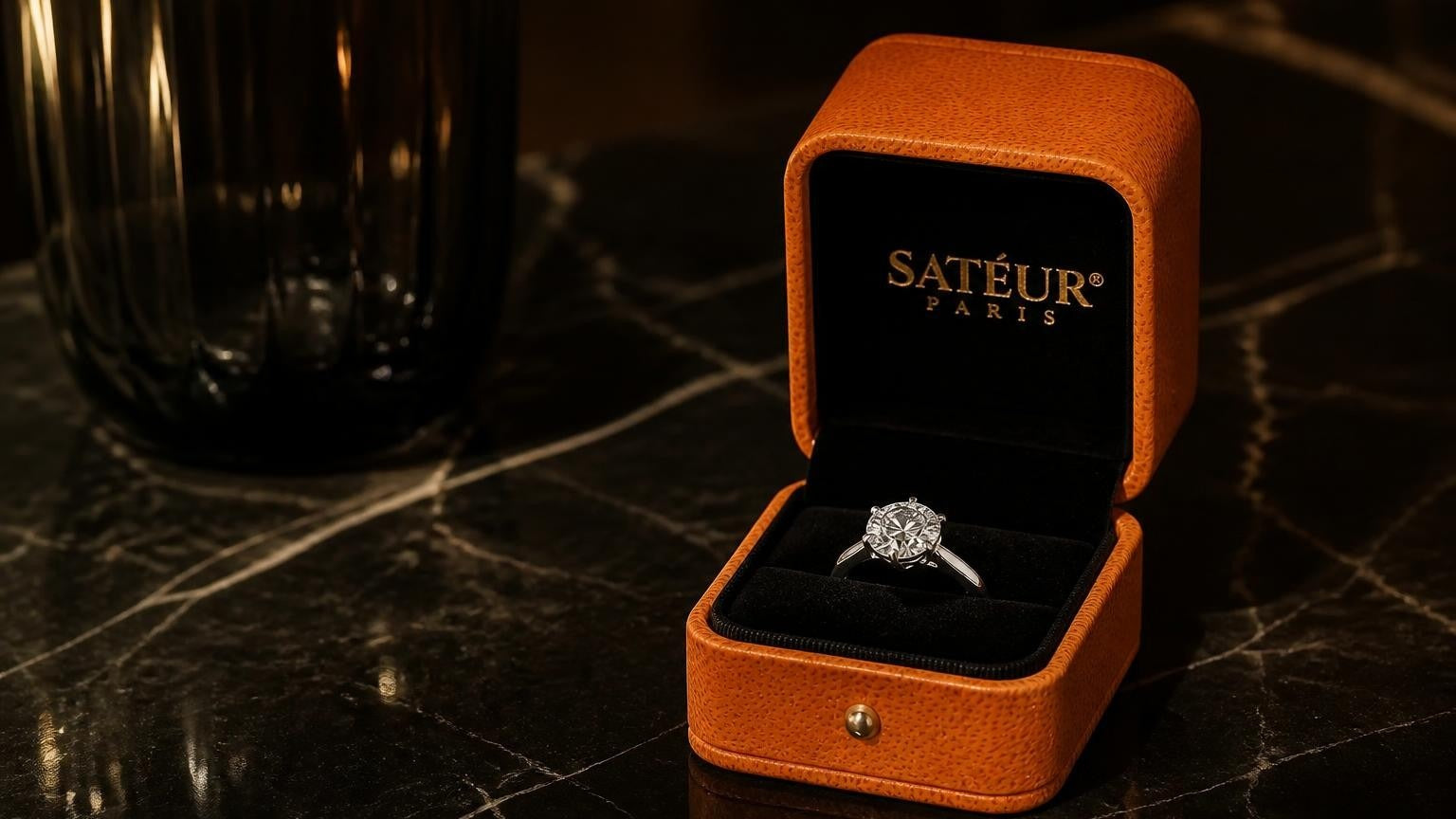
How to Tell If a Diamond Is Fake — Visual & Optical Guide
Learn how to distinguish a real diamond from a simulant using optical properties, light behaviour, and certification. Includes what to look for with the na
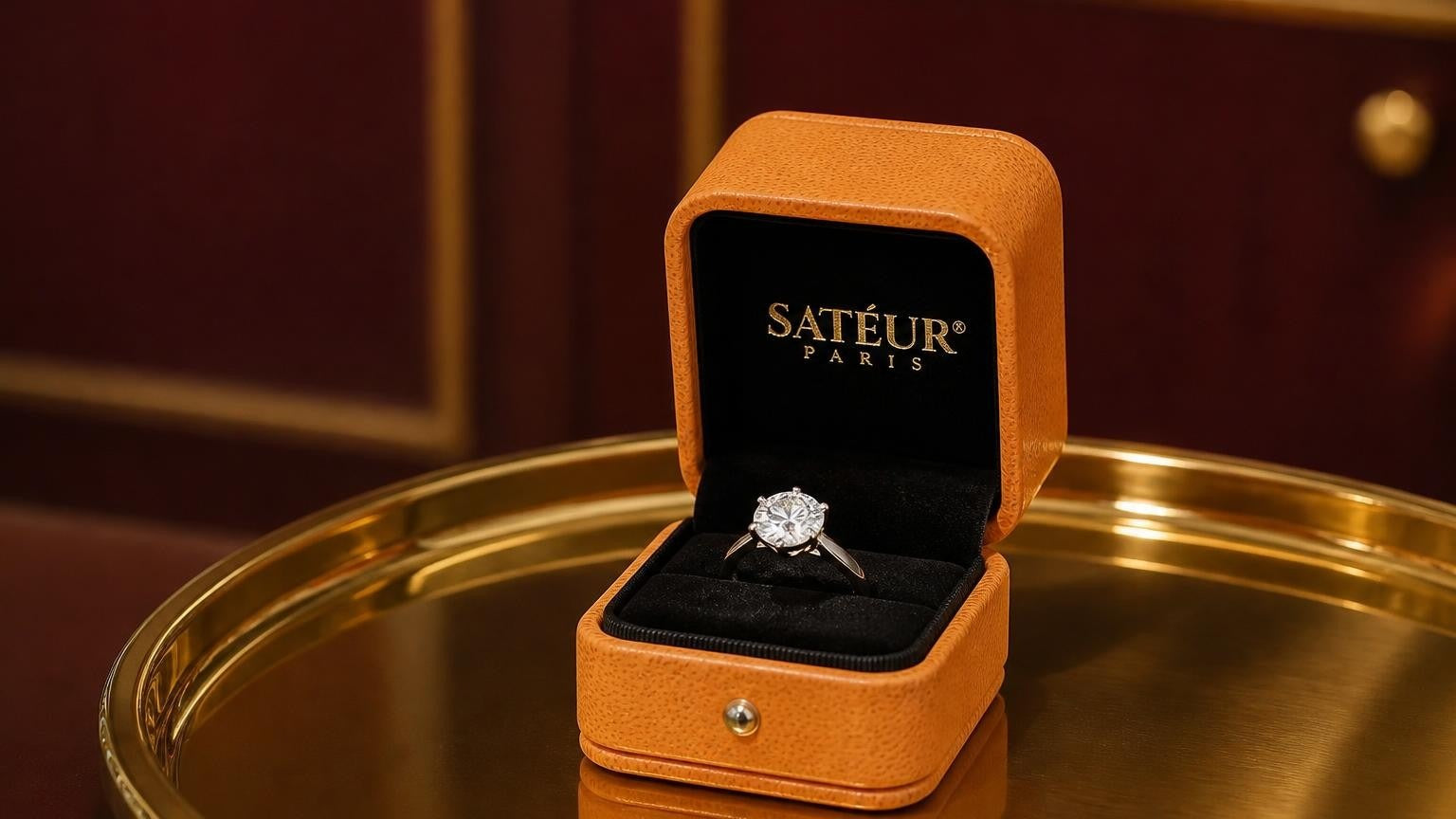
Diamond Simulant: What It Is and How It Compares
Discover what a diamond simulant is, how it differs from lab-grown diamonds, and why Satéur Gems® delivers diamond-accurate brilliance at 1% of the price.
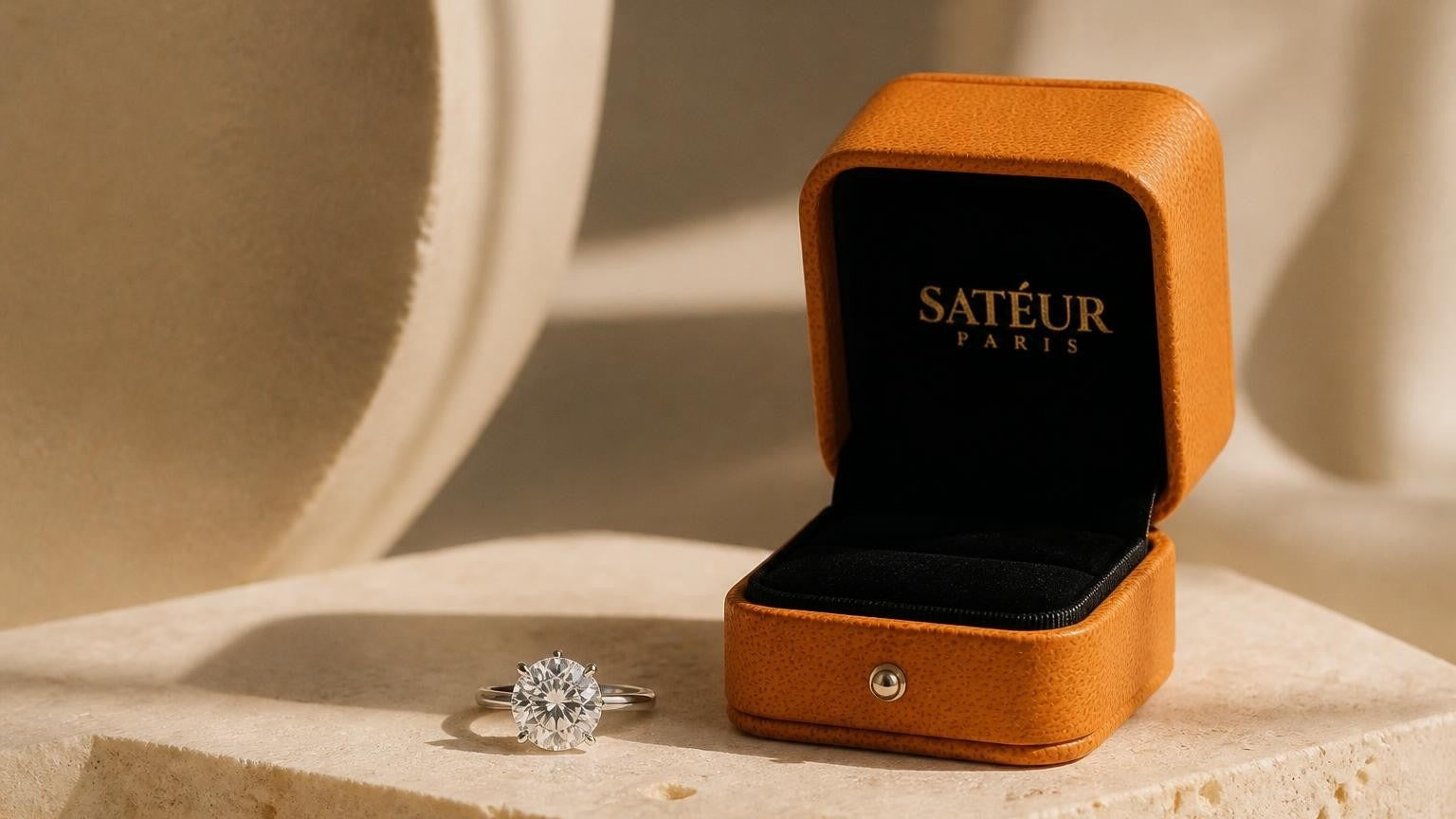
Diamond Substitute: Best Alternatives to Mined Diamonds
A clear guide to diamond substitutes — moissanite, Satéur Gems®, cubic zirconia, and white sapphire — their durability, appearance, and true value.
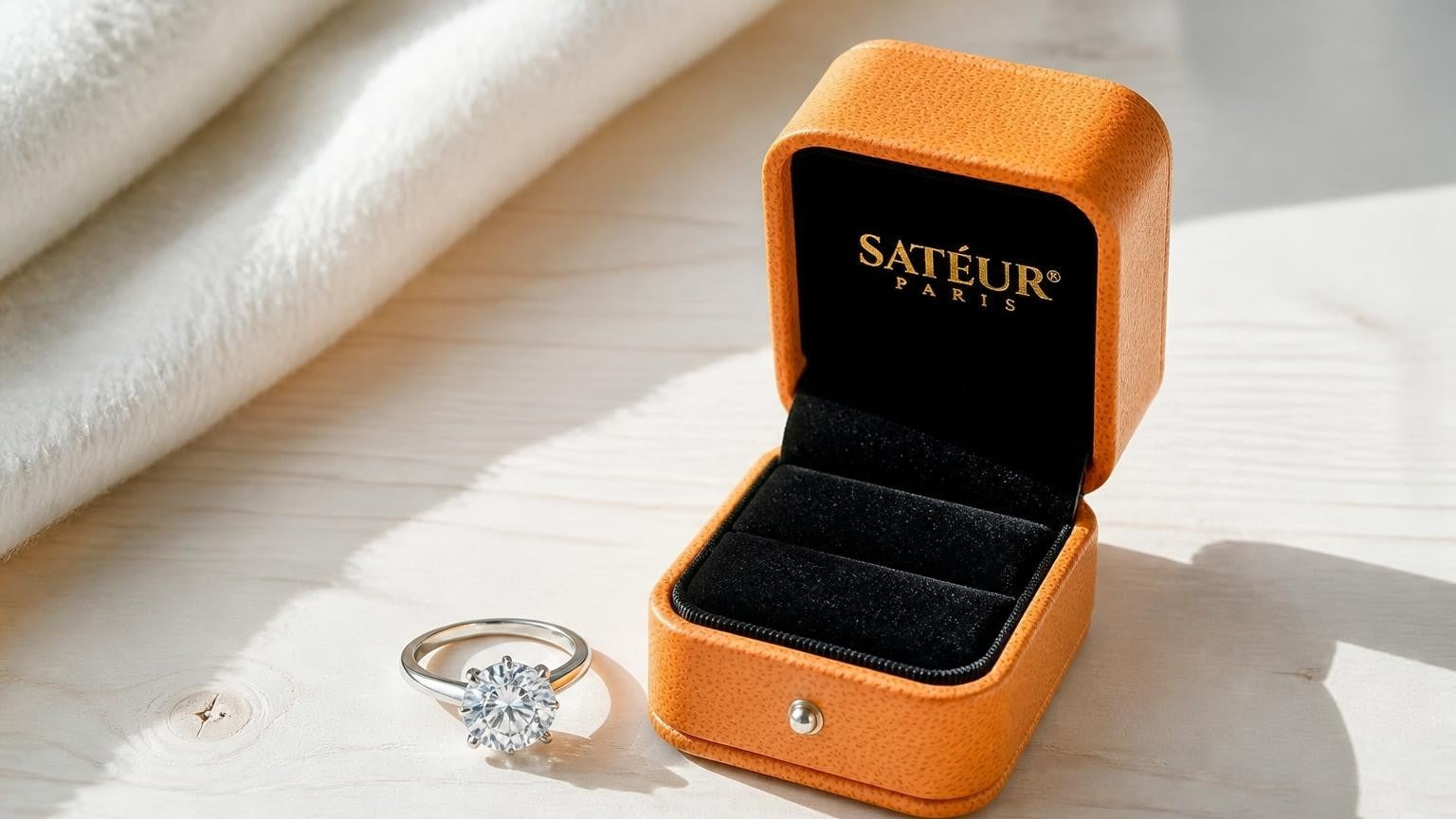
Simulated Diamond Meaning — What Diamond Simulants Are
Simulated diamond meaning explained: how diamond simulants differ from mined stones, their optical properties, durability specs, and why they cost 1% of th
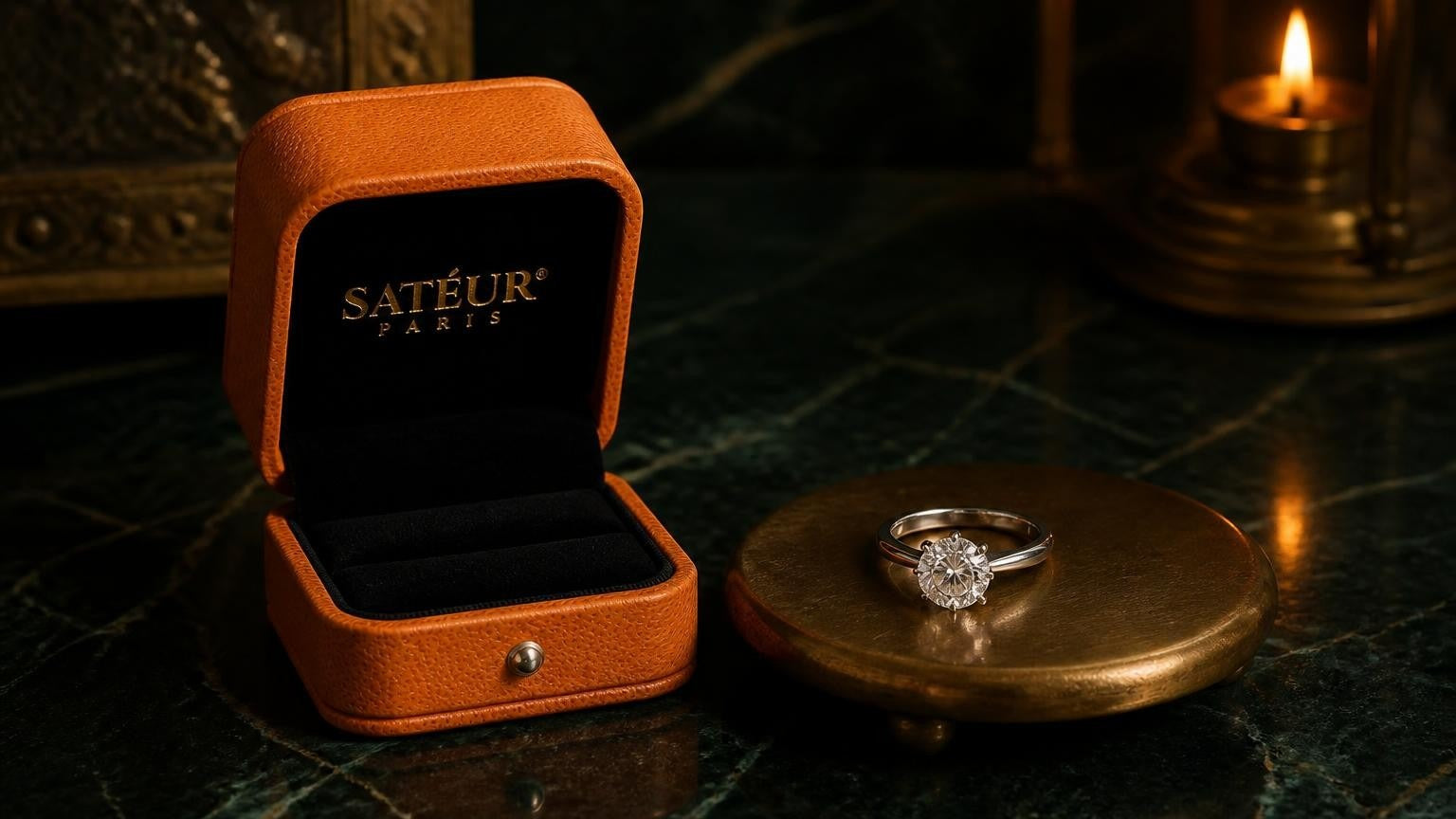
Alternative Engagement Ring Stones — The Complete Guide
Explore the best alternative engagement ring stones — moissanite, Satéur Gems®, sapphire, and more. Durability, brilliance, and price compared.
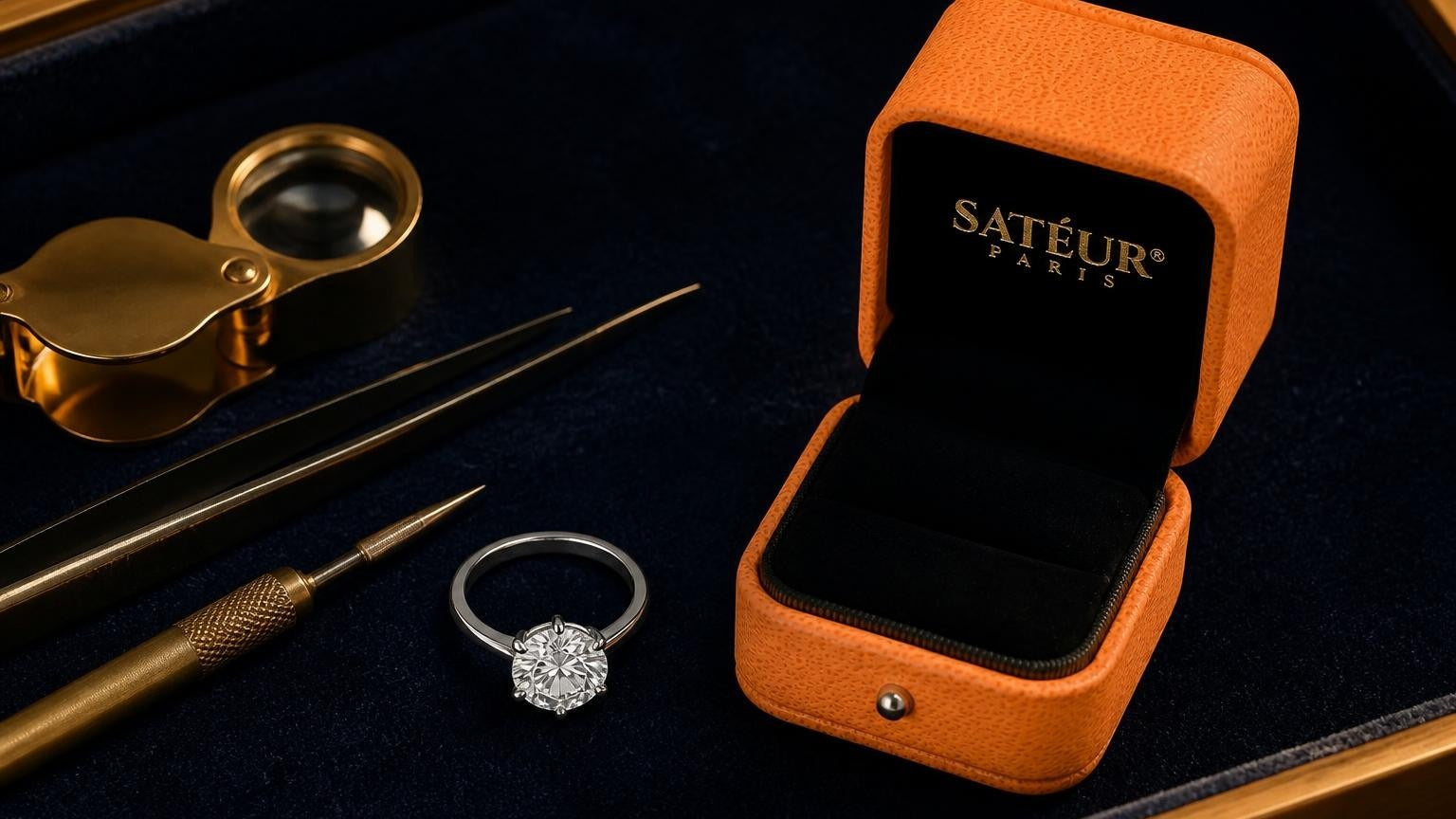
What Is a Simulated Diamond? The Complete Guide
Simulated diamonds replicate the brilliance of mined diamonds at a fraction of the price. Learn the differences between diamond simulants, from moissanite
Satéur® — The 1% Ring®
Looks like a $10,000 diamond. Costs just 1%.
A new standard of brilliance —
defined by clarity, not convention.
Popular Products

 2.00ct
A landmark, on the hand.

 2.00–5.00ct
The hand, made sovereign.

 1.00 x 2–3.00 x 2ct
A pair, for the icon.

 2.00ct
The collector's full chapter.

 2ct
2ctTwo rings. One vow.

 5.00ct
The masterwork.

 1.50 + 1.00 + 0.50ct
A trinity, decided.

 2.00 + 1.00 + 1.00ct
Three carats, three chapters.
It looks like a $10,000 diamond—but costs less than a night out. Satéur is changing the rules of engagement.

We put it next to a real diamond—and couldn’t tell the difference. Satéur might be the smartest sparkle in jewelry.

Satéur isn’t just selling rings. It’s building a movement for couples who want meaning over markup.

Featured In