



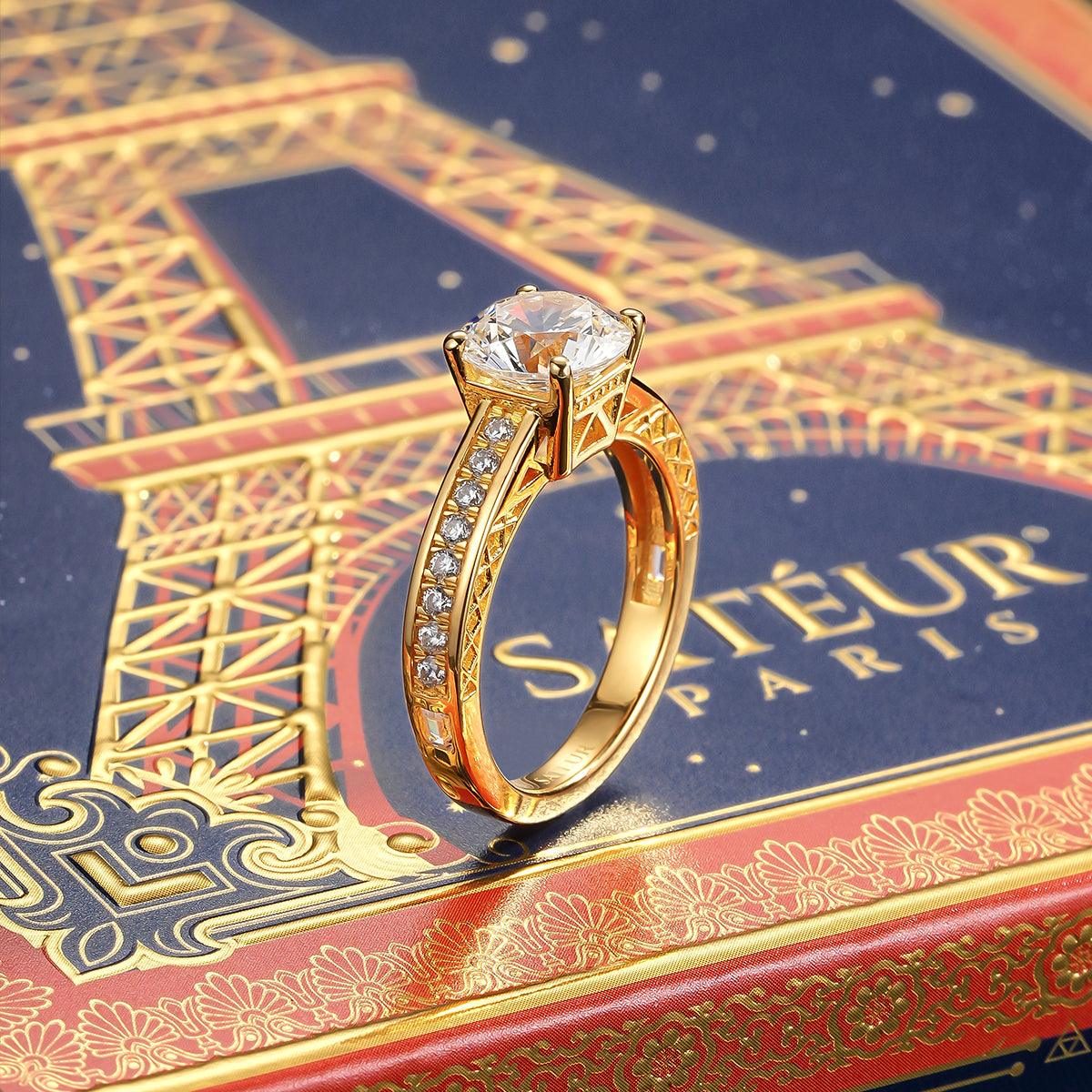
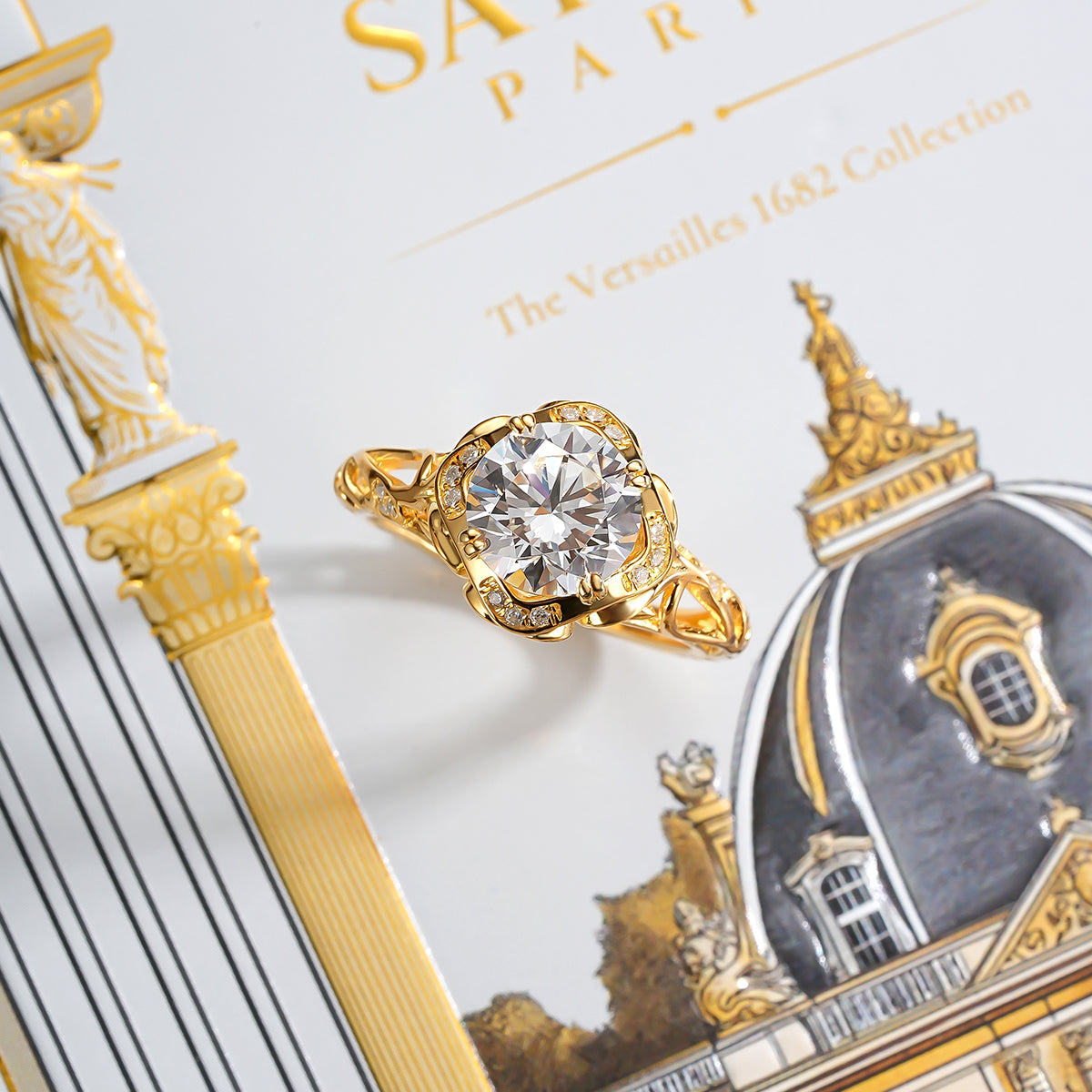
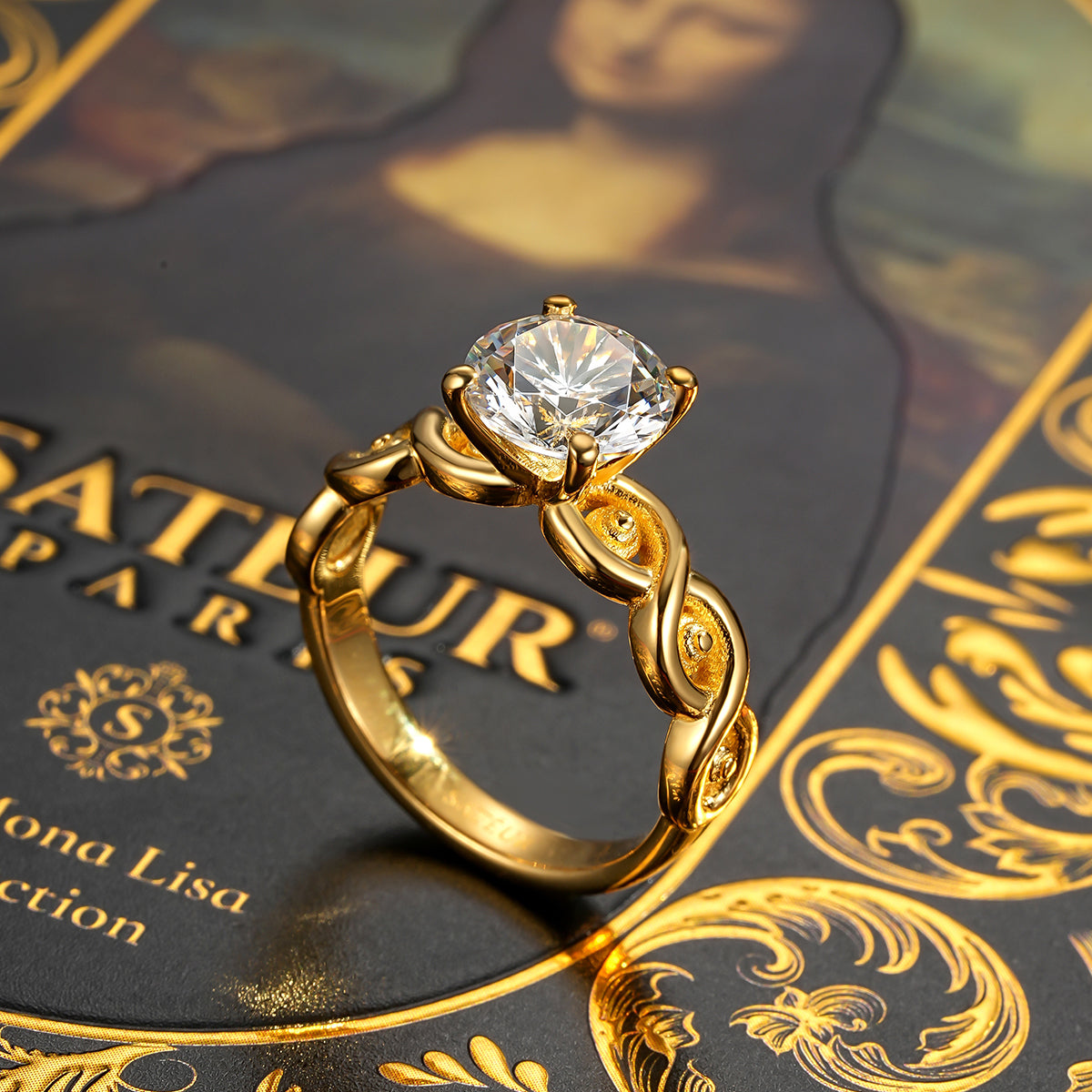
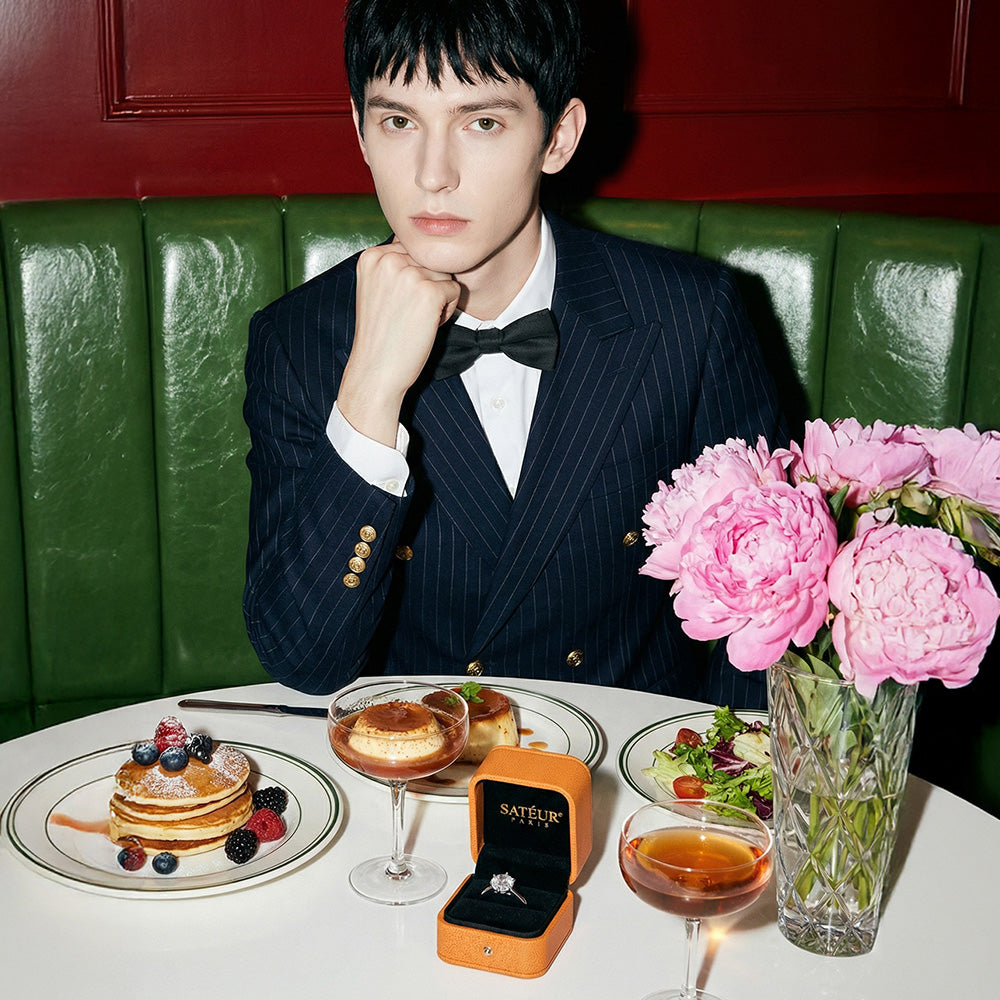
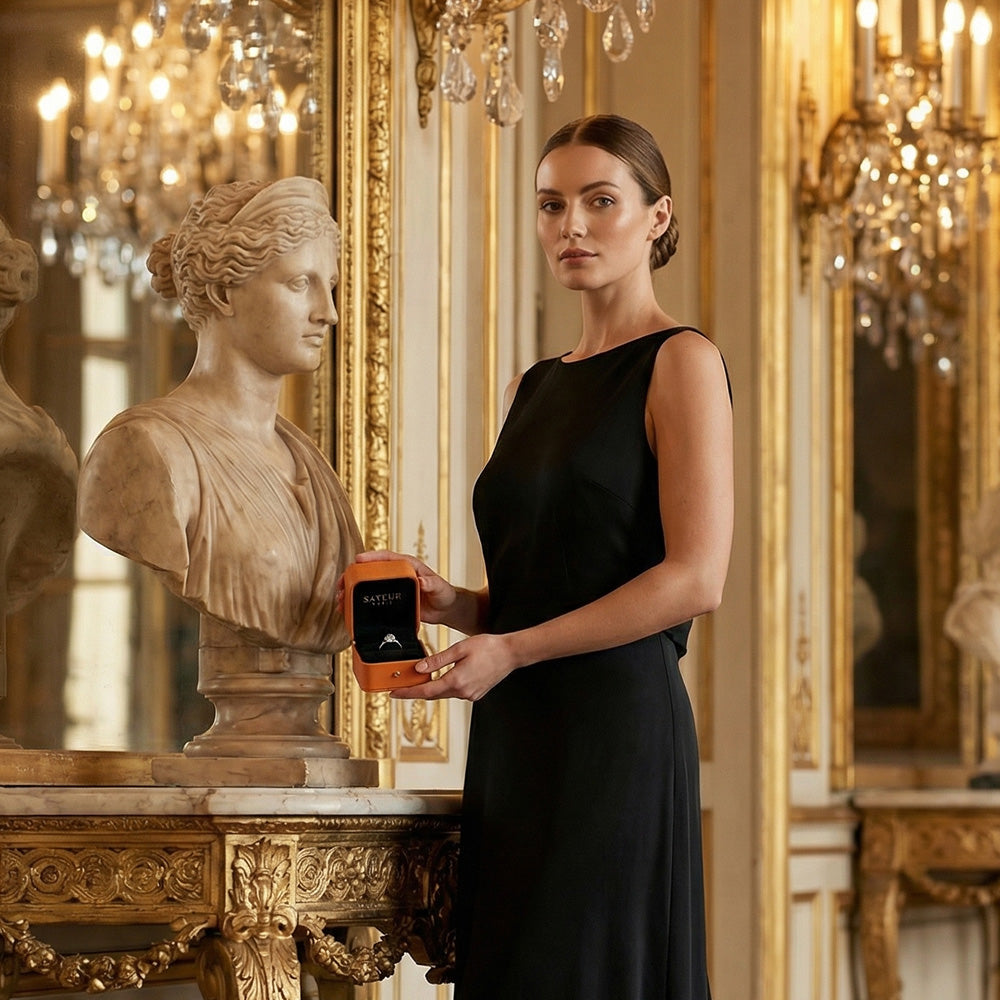

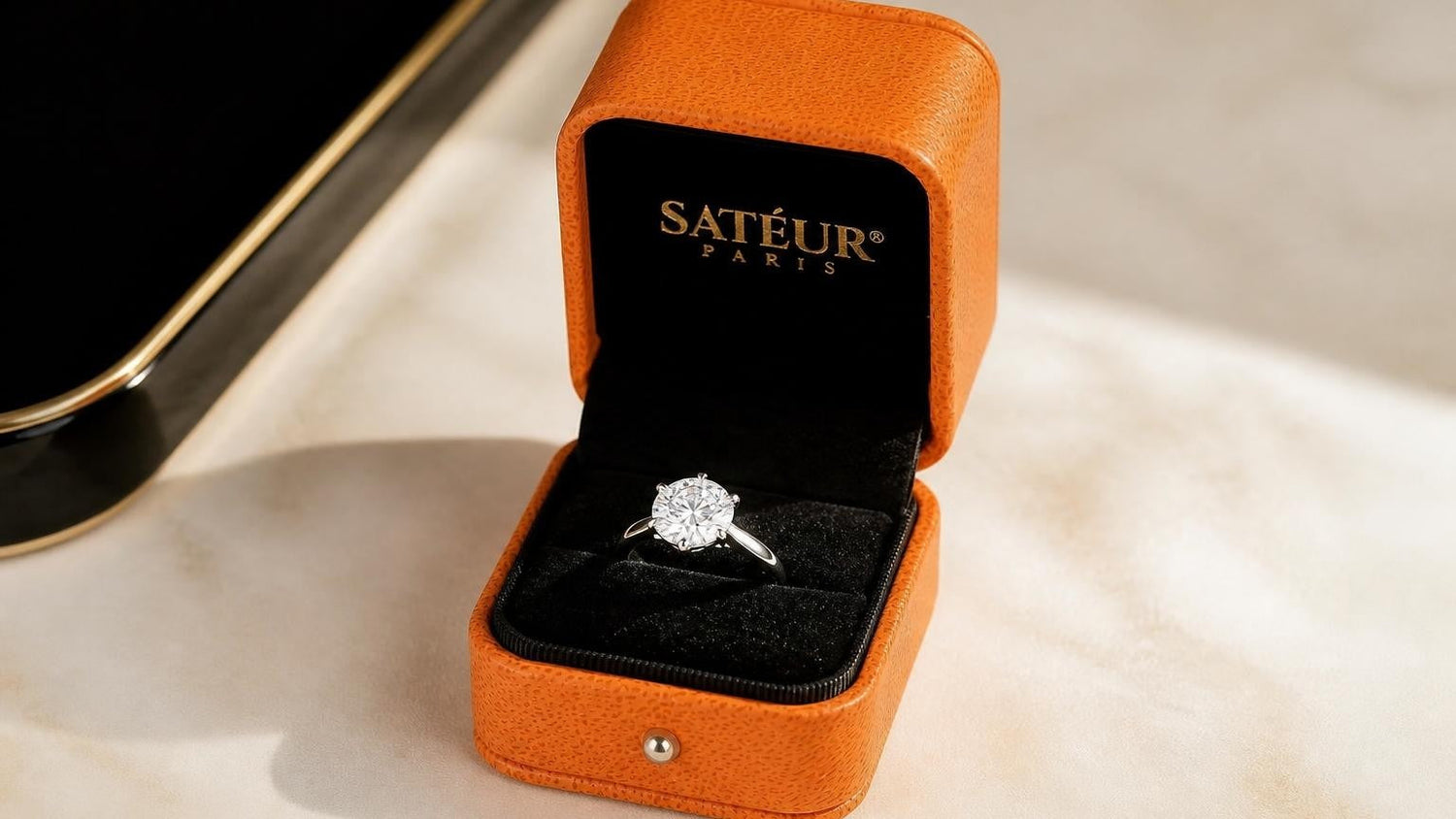
A mined diamond and a well-cut diamond simulant look virtually identical to the naked eye — the differences lie in origin, composition, and price, not necessarily in visible brilliance. Mined diamonds grade D–E colour with Excellent cut standards; diamond simulants engineered to the same visual specification can achieve that same clean white light performance at approximately 1% of the cost. Understanding those distinctions — optical, physical, and financial — is what this guide is for.
Key Takeaways
- Mined diamonds range D–E colour grade with Excellent cut standards; well-cut diamond simulants meet identical visual specs to the naked eye.
- Diamond simulants and mined diamonds differ in origin and physical composition but can appear visually identical to the naked eye when cut and graded equivalently.
- Fire (chromatic dispersion) in some simulants measures approximately 2.4× that of mined diamonds, creating vivid rainbow light refraction.
- Durability and longevity vary significantly: mined diamonds score 10 on the Mohs scale; simulants range from roughly 8.5 to 9.25 depending on type.
- Satéur Gems® diamond simulants start from $98, delivering the look of a flawless diamond without premium mined-diamond pricing.

Understanding Real Diamonds and Diamond Simulants
The term "real diamond" refers specifically to crystalline carbon — either mined from the earth over billions of years, or grown in a laboratory replicating identical conditions. Both are chemically, optically, and physically the same material: pure carbon in a cubic crystal lattice, Mohs hardness 10, refractive index 2.417–2.419.
Diamond simulants are entirely different materials engineered to replicate the visual appearance of a diamond. They share no chemical composition with carbon diamond. The category includes cubic zirconia (zirconium dioxide), moissanite (silicon carbide), and proprietary trademarked simulants such as Satéur Gems®. Each has its own distinct optical and physical profile.
Natural vs Laboratory-Grown Diamonds
Laboratory-grown diamonds are real diamonds: they are pure carbon, graded by the same IGI and GIA standards as mined stones, and chemically and optically identical to mined diamonds. They typically cost 60–80% less than equivalent mined stones. The distinction between natural and lab-grown is one of origin, not quality or appearance.
What "Fake Diamond" Actually Means
The popular shorthand "fake diamond" covers a wide range of materials. Cubic zirconia costs pennies per carat and degrades visibly within one to three years. High-grade moissanite costs $300–$800 per carat and wears almost indefinitely. Proprietary simulants like Satéur Gems® occupy a distinct tier: engineered for diamond-look optical performance at accessible price points. Grouping all simulants as equivalent misses the most important distinctions a buyer needs to make.
What Makes a Diamond Real
A real diamond is defined by its chemical composition: pure crystalline carbon. That gives it a refractive index of ~2.417, dispersion 0.044, and Mohs hardness 10 — a combination no other material shares.
The 4 Cs: Cut, Colour, Clarity, Carat
The Gemological Institute of America's 4 C framework remains the standard for grading mined and laboratory-grown diamonds. Cut determines how well the stone redirects light; colour grades D (colourless) through Z (noticeable yellow); clarity grades Flawless through Included. An Excellent-cut D-colour diamond produces the clean white brilliance that defines the diamond look.
Certification and Provenance
GIA and IGI certificates document the 4 Cs and serve as the legal record of a stone's origin for insurance and resale. Diamond simulants are not eligible for diamond certificates — they carry their own material specifications.
How to Tell If Diamonds Are Real
Several visual and physical observations can indicate whether a stone is a mined or laboratory-grown diamond rather than a simulant — though definitive identification of high-grade simulants requires professional instruments.

Visual Observation: Brilliance and Fire
A well-cut mined diamond produces crisp white flashes (brilliance) and small pinpoints of coloured light (fire). Cubic zirconia tends to show flat, glassy reflection with little scintillation. High-grade moissanite shows vivid rainbow fire — more colourful than diamond, which some buyers find distinguishable under direct light. In softer ambient light, the distinction between a well-cut diamond and a premium simulant narrows considerably.
Thermal Conductivity
A standard diamond tester measures thermal conductivity — diamond conducts heat far higher than glass or cubic zirconia. This screens low-grade simulants reliably. Moissanite's electrical conductivity causes some older single-probe testers to return a diamond reading; dedicated dual-probe moissanite testers solve this. A tester is a useful first screen on a loose stone of unknown origin, not a substitute for professional grading.
The Fog Test
Breathing on a stone and observing condensation clearance is a directional home check. Diamond's thermal conductivity means fog clears in one to two seconds; simulants may retain condensation briefly longer. Results vary with temperature and humidity — useful as a first indicator on a loose stone, not reliable as a standalone method.
GIA and IGI Certification
For any stone sold as a mined diamond, a GIA or IGI certificate is the only trustworthy confirmation. Always request the certificate and verify the girdle inscription matches the certificate number. No consumer test replaces independent laboratory grading for a stone of significant value.
Visual Differences Between Mined Diamonds and Simulants
The table below summarises the principal visual and physical distinctions across three stone categories.
| Property | Mined / Lab Diamond | Diamond Simulant (premium) | Cubic Zirconia |
|---|---|---|---|
| Refractive index | ~2.417 | ~2.39–2.65 (varies by type) | ~2.15–2.18 |
| Fire / dispersion | 0.044 (white brilliance) | 0.060–0.104 (vivid to clean white) | 0.058–0.066 (initially vivid, dulls) |
| Mohs hardness | 10 | ~8.8–9.25 | ~8.5 |
| Visual longevity | Indefinite | Many decades with care | 1–3 years before clouding |
| Cost per carat | $3,000–$15,000+ | $98–$500 per piece | $1–$20 per carat |

The Role of Cut, Colour, and Clarity
Cut quality determines roughly 50% of a stone's visible brilliance. An Excellent or Ideal cut — whether mined diamond or premium simulant — maximises the return of light through the crown facets. A poorly cut stone of any material looks flat and lifeless. When comparing a real diamond to a diamond simulant, ensure both are cut to equivalent standards before drawing conclusions about which looks better.
Colour Grade and White Appearance
D–E colour grades indicate a colourless stone — no visible yellow or brown tint. Satéur Gems® are spec'd to D–E equivalency: the same clean white face-up appearance as a top-colour mined diamond.
Clarity and Inclusions
Mined diamonds contain natural inclusions formed during crystallisation. Simulants are lab-produced free of inclusions by design. A VS1 or VS2 mined diamond and a premium simulant are visually indistinguishable in clarity to any unaided observer.
Fire and Light Performance Explained
Diamond vs Moissanite Fire
Fire is the dispersion of white light into spectral colours — the coloured flashes visible when a stone moves. Diamond's dispersion measures 0.044. Moissanite measures approximately 0.104, producing vivid rainbow fire that is visually distinctive under direct light. Some buyers prefer that intensity; others find it less diamond-like than the crisper, more disciplined white scintillation of a mined stone.
Diamond-Look Optical Profile
Satéur Gems® are engineered for the diamond-look light profile — clean white brilliance rather than vivid rainbow excess. The dispersion sits closer to diamond's visual output, which is why the naked-eye comparison under ambient light is the test that matters in everyday wear.

Durability: Mohs Hardness Compared
Everyday dust contains particles at roughly 7–7.5 Mohs; a stone below that threshold scratches visibly with normal wear. For a ring worn daily, Mohs 8.5 and above is the practical minimum.
- Mined / lab-grown diamond: 10 — the hardest natural material.
- Moissanite: ~9.25 — extremely durable, suitable for everyday rings.
- Satéur Gems®: ~8.8 — well above the abrasion threshold; appropriate for rings and fine jewellery with normal care.
- Cubic zirconia: ~8.5 — begins showing micro-abrasions within one to three years of daily wear, progressively clouding brilliance.
Satéur Gems®: The Diamond-Look Alternative
Satéur Gems® is a trademarked diamond simulant — not moissanite, not cubic zirconia — engineered for D–E colour equivalency, clean white brilliance, and durability appropriate for fine jewellery. Key specs: Mohs ~8.8, Excellent round brilliant cut, visual profile consistent with a flawless diamond to the naked eye.
Satéur Gems® are not GIA or IGI certified diamonds — the value proposition is the visual result at approximately 1% of mined-diamond cost. A piece that compares visually to a $10,000 mined diamond starts from $98. For the full range of cuts and settings, see the Satéur engagement ring collection.
Price Comparison: Mined vs Simulant
What Real Diamonds Cost
A mined 1.00 carat D-colour VS1 diamond retails for approximately $6,000–$12,000. A comparable lab-grown diamond retails for $1,200–$2,500. Premium simulants occupy a separate tier entirely:
- Mined diamond (D–E, VS1, Excellent): $6,000–$12,000 · GIA/IGI certified · 25–50% resale.
- Lab-grown diamond (D–E, VS1): $1,200–$2,500 · IGI certified · low resale.
- Moissanite (1 ct, premium): $300–$800 · brand cert. · minimal resale.
- Satéur Gems®: from $98 per piece · Satéur spec · worn value, not investment.
- Cubic zirconia: $10–$50 per piece · no cert. · no resale.
The choice is about what the buyer values: investment-grade provenance, or the diamond look at everyday prices. See also: real diamond vs fake — the full material breakdown and what distinguishes real and fake diamonds.
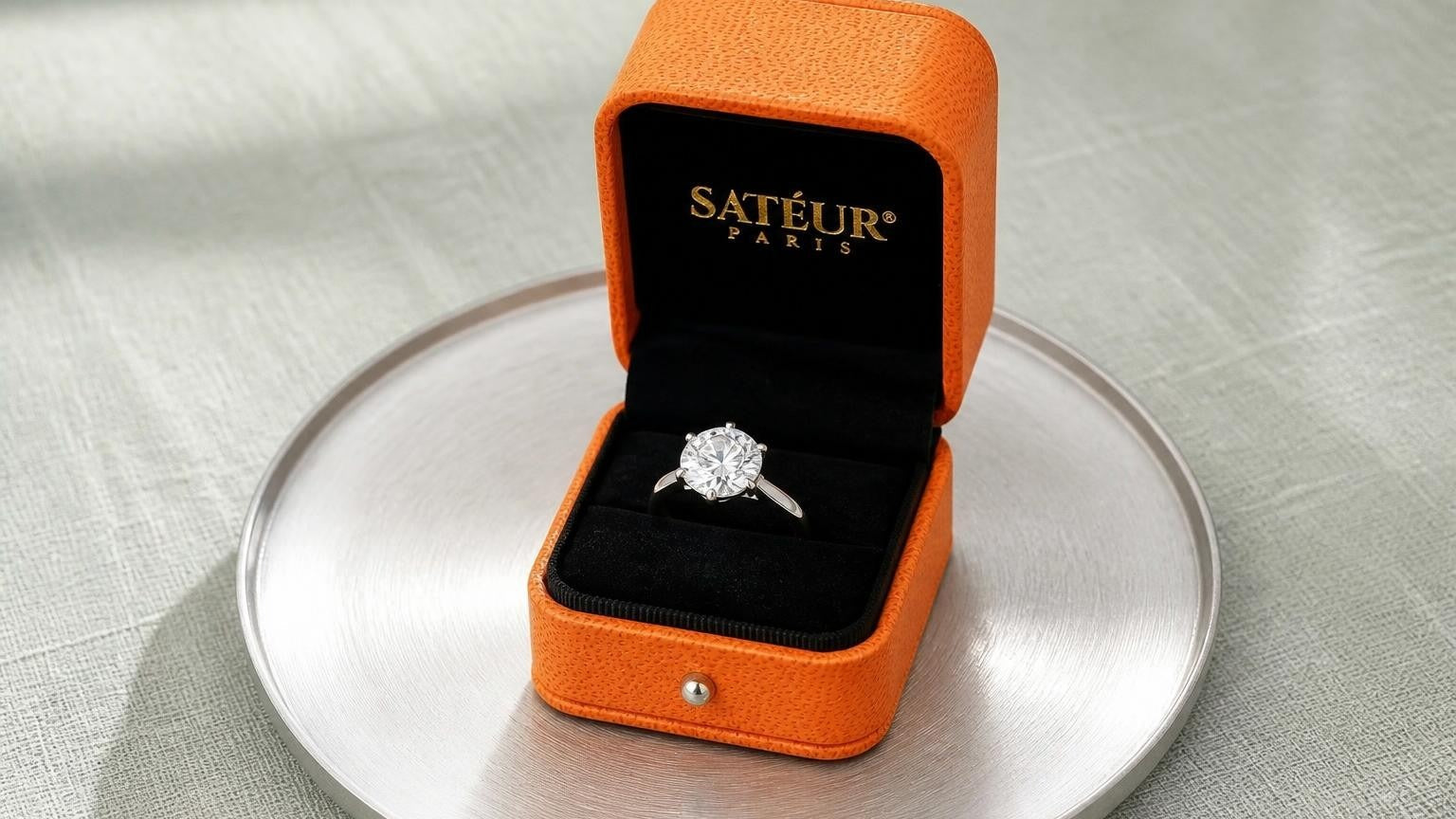
Satéur Destinée Ring™ — The 1% Ring®

Satéur Destinée Ring™
The look of a flawless diamond — from $138.
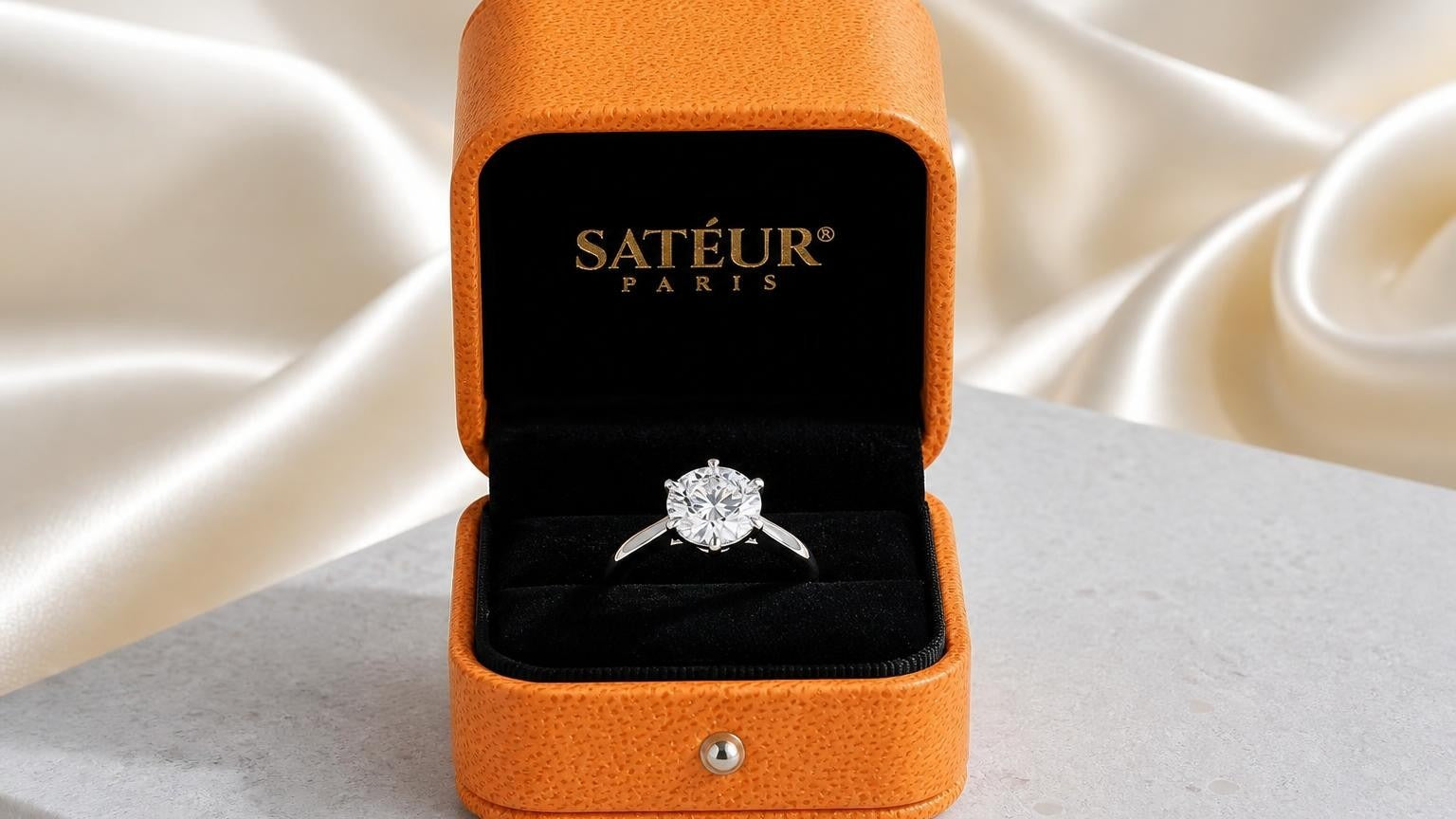
The 1% Ring®. 1.00 carat round brilliant Satéur Gems®. 18k white gold finish. Precision-cut to D–E colour equivalency. Compare to a mined diamond ring retailing at $10,000 or more — the Satéur Gems® version starts at $98.
Frequently Asked Questions About Diamond Authenticity
What is the visual difference between a mined diamond and a diamond simulant?
To the naked eye, a well-cut premium simulant and a mined diamond are visually indistinguishable in normal wear — both produce white brilliance and scintillation. Differences in refractive index and crystal structure become apparent only under specialist instruments. For everyday jewellery purposes, visual performance under ambient light is what counts, and premium simulants are engineered to meet diamond-look optical standards.
Can you tell if a diamond is real by looking at it without tools?
Not reliably with high-grade simulants. Cubic zirconia is often distinguishable by its duller brilliance, especially after a year or two of wear. Moissanite may show more vivid rainbow fire under direct light. Premium simulants like Satéur Gems® produce clean white brilliance consistent with the diamond look, making visual identification without professional instruments difficult.
What role does cut quality play in how a diamond looks and performs?
Cut is the primary driver of visible brilliance — more so than colour or clarity for most observers. An Excellent-cut stone returns light efficiently through the crown facets. A precisely cut simulant outperforms a poorly cut mined diamond in visible sparkle. Always compare stones cut to equivalent standards.
How does fire in a gemstone affect its appearance?
Fire is the dispersion of white light into spectral colours. Diamond's dispersion is 0.044 — controlled white brilliance. Moissanite's is approximately 0.104 — vivid rainbow fire, visually distinctive under direct light. Satéur Gems® are engineered for the diamond-look profile: clean white brilliance rather than rainbow excess.
Why do some people choose diamond simulants for engagement rings and fine jewellery?
Price and the diamond look. A premium simulant in a quality setting delivers round brilliant sparkle at a fraction of mined-diamond cost. Some buyers put savings toward the setting or other priorities; others wear a simulant daily and reserve a mined stone for special occasions. For further reading: how real and fake diamonds compare in light and shine.
What does D–E colour grade mean in a diamond or simulant gemstone?
D and E are the top two GIA colour grades — completely colourless, no visible yellow or brown tint. When Satéur Gems® are specified to D–E colour equivalency, the gem produces a colourless face-up appearance consistent with the finest mined diamonds.















Leave a comment
This site is protected by hCaptcha and the hCaptcha Privacy Policy and Terms of Service apply.