



Moissanite and lab created diamonds are both lab-grown gemstones, but they are chemically distinct materials with different optics, hardness, and price points. Moissanite is silicon carbide engineered for vivid visual performance; lab created diamonds are chemically identical to mined diamonds, graded on the same 4Cs scale. For a broader comparison including mined diamonds, see our 3-way guide to moissanite vs diamond vs lab diamond.
Key Takeaways
- Moissanite rates 9.25 on the Mohs hardness scale; lab created diamonds rate 10 — both are highly durable for daily wear.
- Moissanite displays 2.4× the fire (chromatic dispersion) of diamond, producing vivid rainbow flashes visible to the naked eye.
- Lab created diamonds are chemically identical to mined diamonds and are graded on the same 4Cs scale by IGI and GIA.
- Moissanite is a distinct lab-created gemstone simulant — not a diamond variant — engineered for durability and visual performance rather than chemical equivalence.
- Both moissanite and lab created diamonds offer ethical sourcing without the environmental footprint of mining.

Moissanite vs Lab Created Diamonds: An Overview
Lab created diamonds are grown via HPHT or CVD processes replicating geological conditions — the result is the same carbon crystal structure, 4Cs grading, and optical properties as a mined diamond. Moissanite is an entirely different gemstone: lab-created silicon carbide engineered for durability and visual brilliance at a fraction of the price. Both are ethical alternatives requiring no mining; the choice is a question of optical character and budget.
What Is Moissanite
Natural moissanite was first discovered in 1893 in a meteorite crater. Virtually all moissanite sold today is lab-created silicon carbide — a distinct gemstone with its own grading standards and permanent optical stability. It is openly named at point of sale; never relabelled as diamond. Key specs: Mohs 9.25 · RI 2.65–2.69 · dispersion ~0.104 (2.4× diamond's fire) · colour D–E colourless in modern production. The higher refractive index and dispersion are moissanite's defining signature — vivid rainbow fire visible to the naked eye under direct light.
What Are Lab Created Diamonds
Lab created diamonds are grown via HPHT (High Pressure High Temperature) or CVD (Chemical Vapour Deposition) — both produce diamonds chemically, physically, and optically identical to mined diamonds. They grade on the same 4Cs scale and carry IGI or GIA certificates.

Key specs: Mohs 10 · RI 2.42 · dispersion ~0.044 · IGI/GIA 4Cs certificate. Lab created diamonds typically cost 60–80% less than mined diamonds of equivalent grade — but remain significantly more expensive per carat than moissanite.
Optical Properties: Fire and Brilliance
The optical difference between moissanite and lab created diamonds is the most visible distinction at the point of wear. Moissanite's refractive index of 2.65–2.69 (versus diamond's 2.42) means it bends and disperses light more intensely. The result is vivid rainbow fire — prismatic multi-colour flashes — that, under direct light, is noticeably more intense than a lab created diamond of the same cut grade.
Lab created diamonds return crisp white brilliance. Their optical character matches mined diamonds exactly — clean white light return with subtler, more directional fire. For buyers who prefer the classic diamond optical signature, the lab created diamond's lower dispersion is the preferred aesthetic.
| Property | Moissanite | Lab Created Diamond |
|---|---|---|
| Refractive index | 2.65–2.69 | 2.42 |
| Dispersion (fire) | ~0.104 (2.4× diamond) | ~0.044 |
| Visual character | Vivid rainbow fire | Crisp white brilliance |
| Colour (standard) | D–E colourless | D–Z (graded per 4Cs) |

Durability and Hardness Comparison
Both stones are highly durable and suitable for daily wear. Lab created diamonds rate Mohs 10 — the maximum. Moissanite rates Mohs 9.25. In practical wear, both resist scratching from everyday materials; the difference is not meaningful for most wearers. Neither stone clouds or degrades over time — both maintain their optical character permanently with routine mild-soap cleaning.
| Property | Moissanite | Lab Created Diamond |
|---|---|---|
| Mohs hardness | 9.25 | 10 |
| Toughness | Good | Good to excellent |
| Longevity | Permanent — no clouding | Permanent — no clouding |
| Suitable for daily wear | Yes | Yes |

Price Differences Explained
Price is where the two stones diverge most sharply. A 1-carat lab created diamond of good quality runs $400–$1,500 depending on 4Cs grade. A 1-carat moissanite runs $80–$300. Moissanite offers the highest value-per-carat of any premium gemstone; lab created diamonds carry a 4Cs grading premium and modest resale value, though well below mined diamond. Lab diamond prices have declined 60%+ over five years as production scales.
For further context see moissanite vs lab grown diamond and lab diamond vs moissanite durability.
Satéur's Moissanite Value Proposition
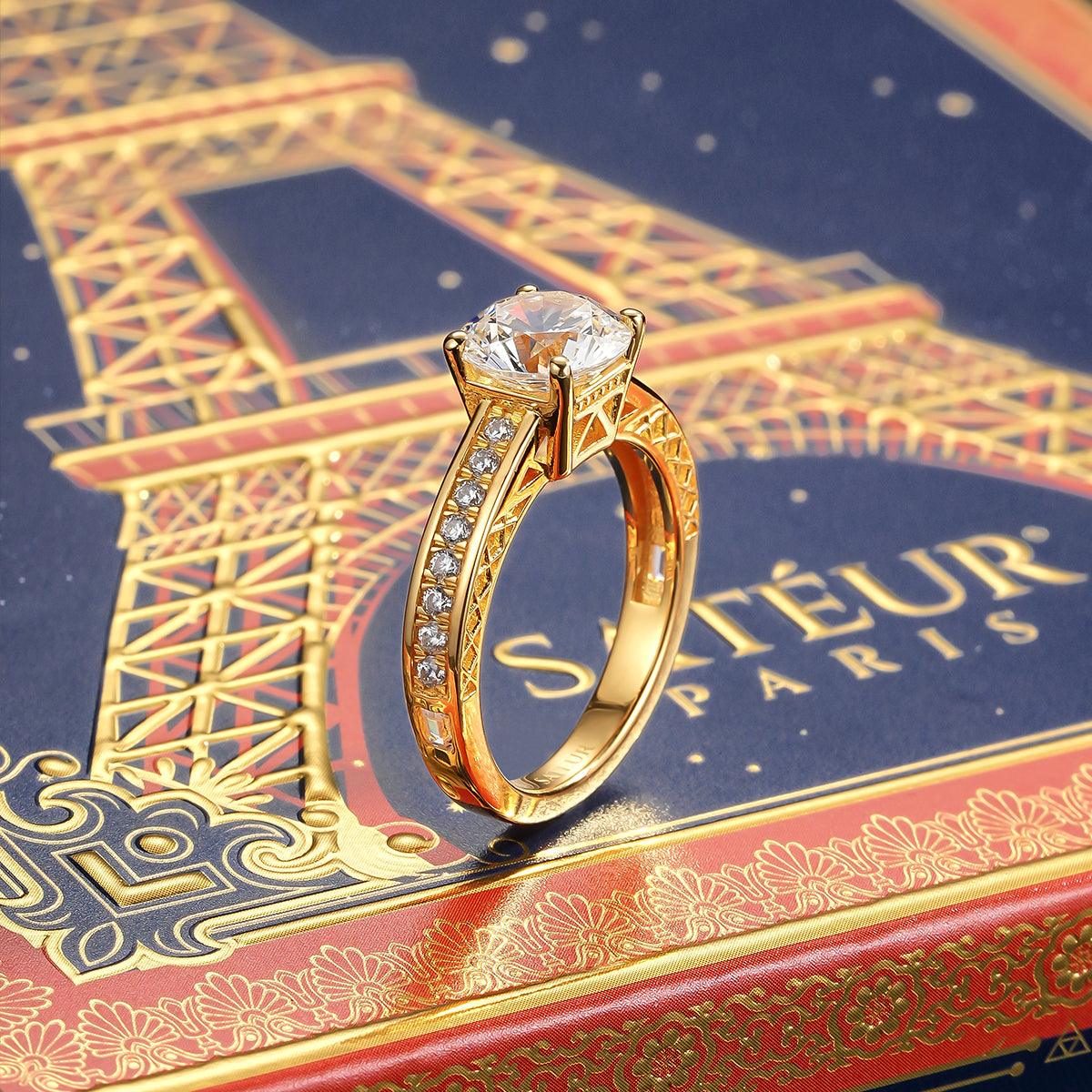
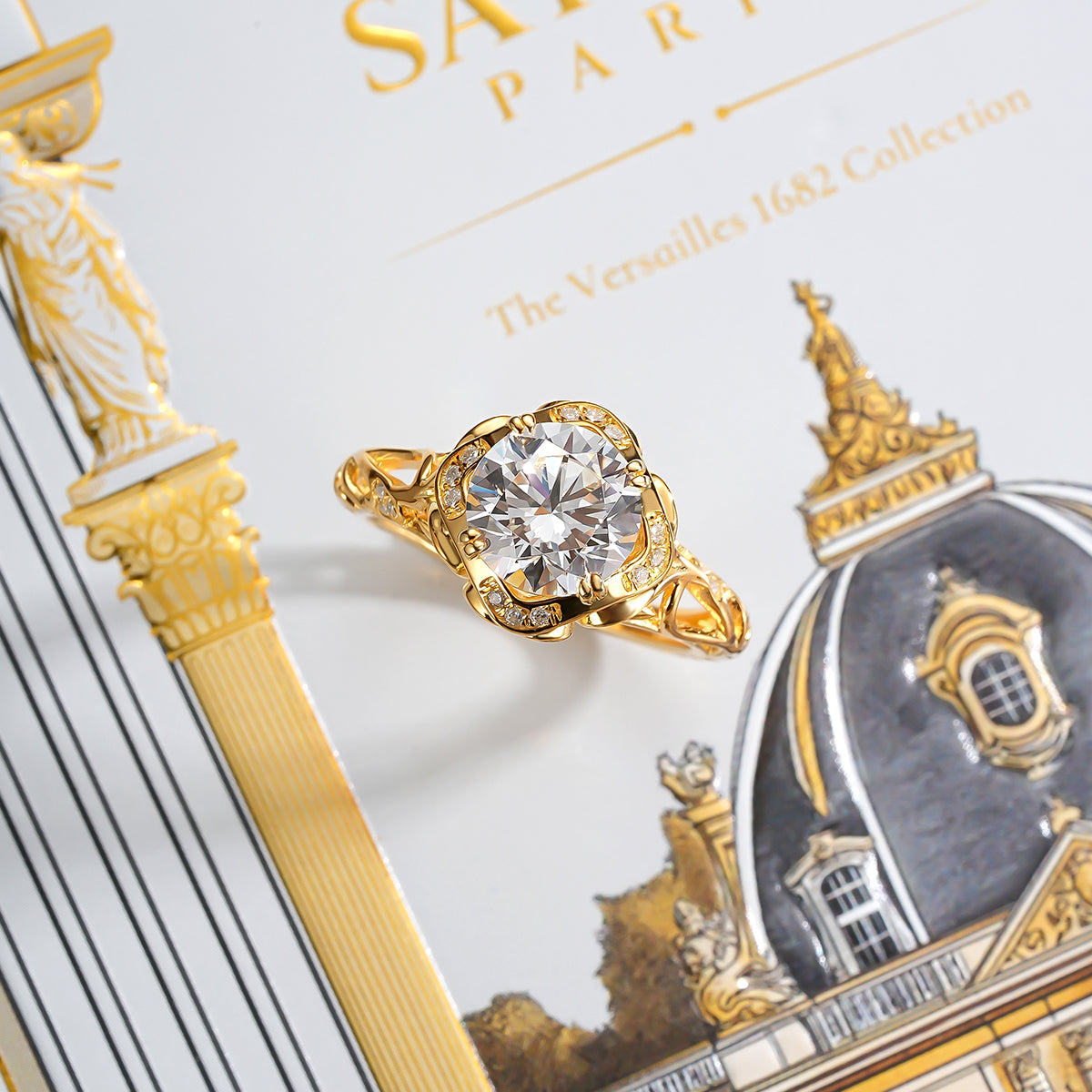
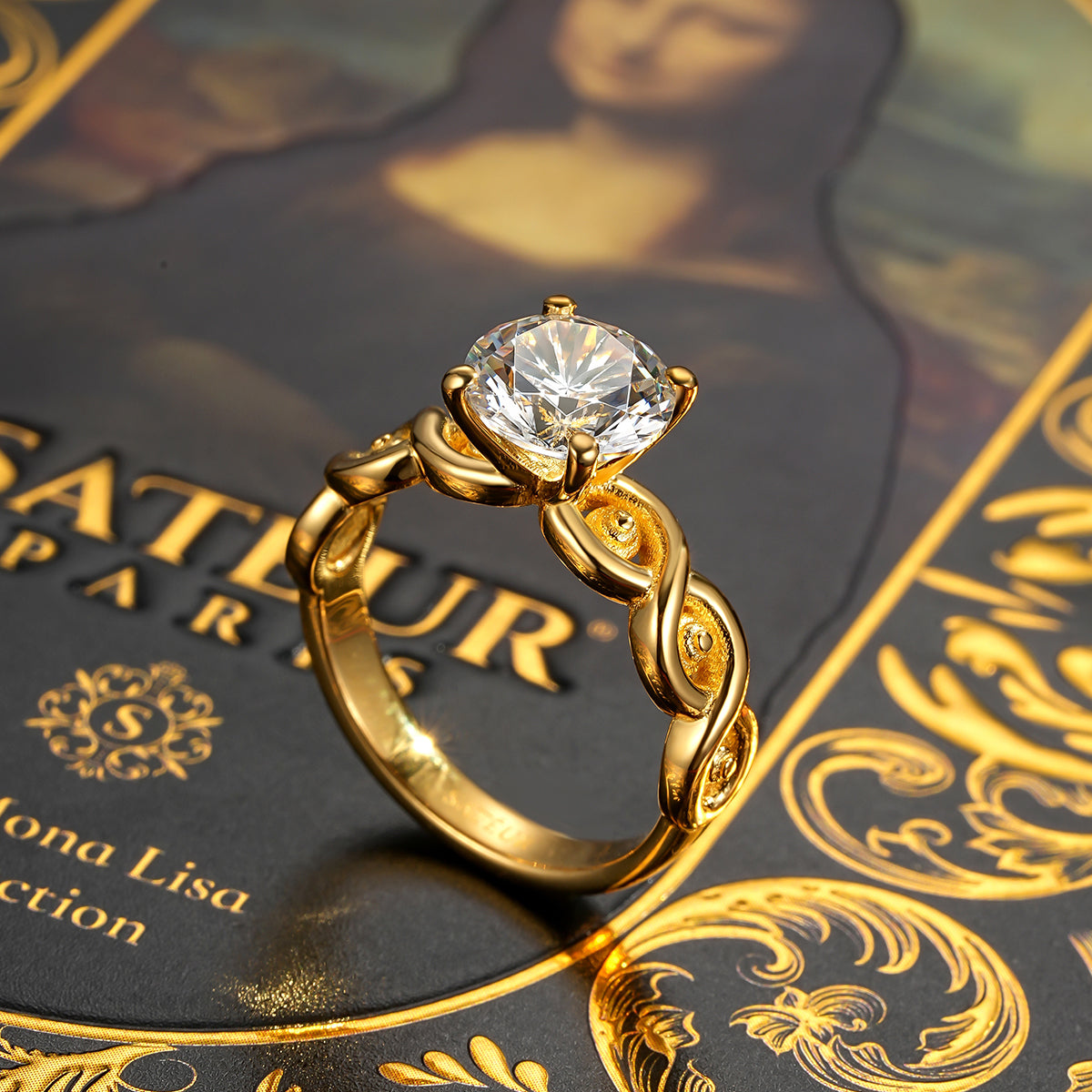
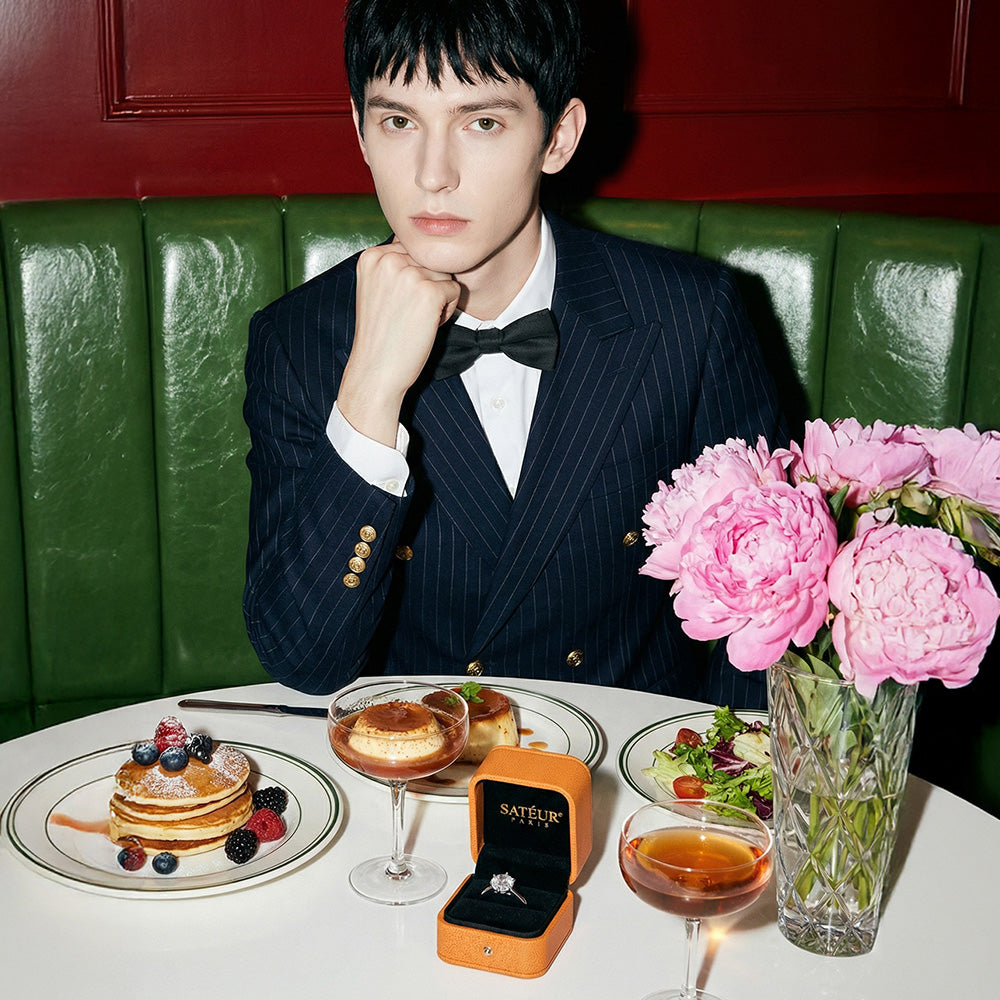
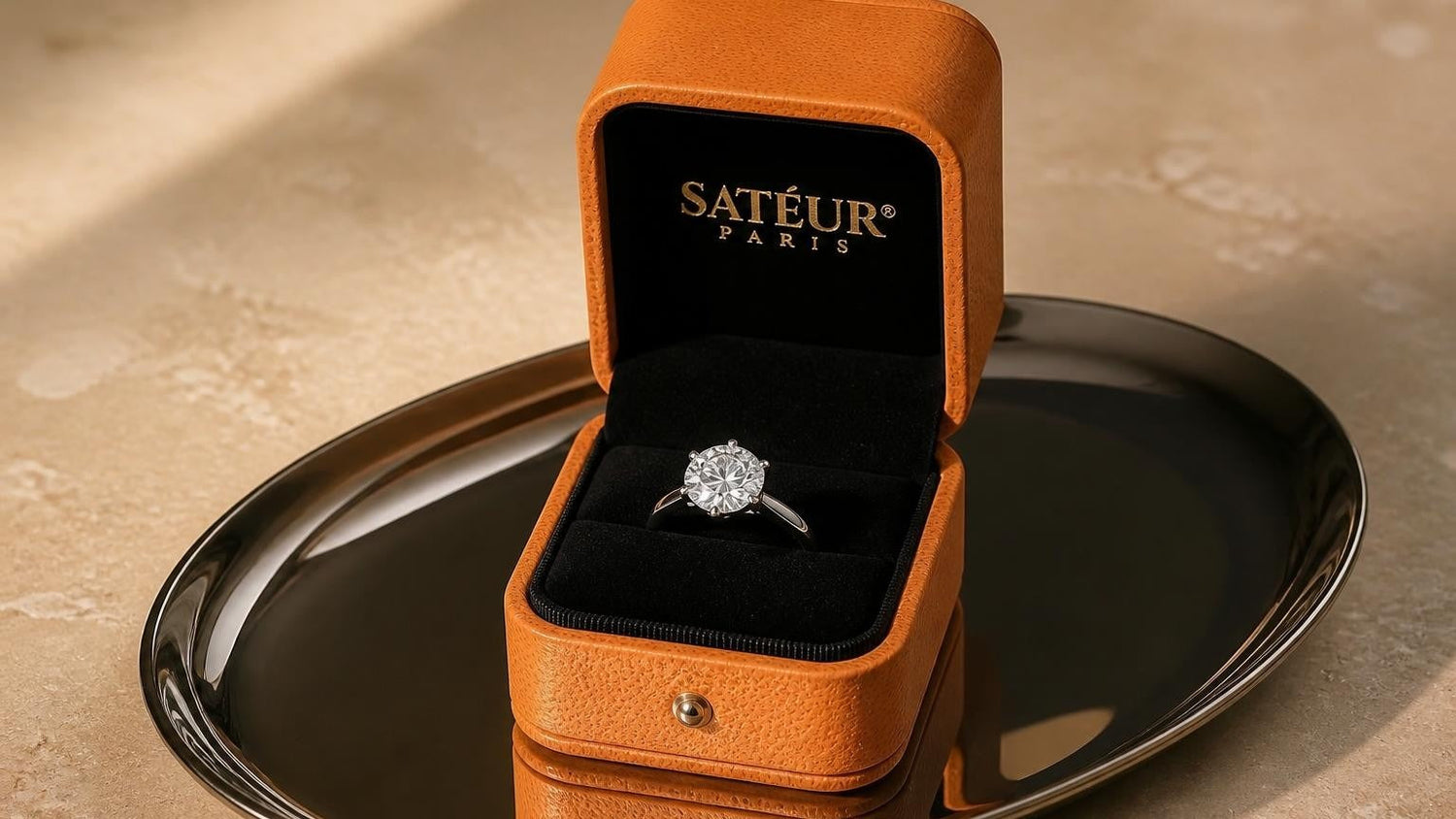
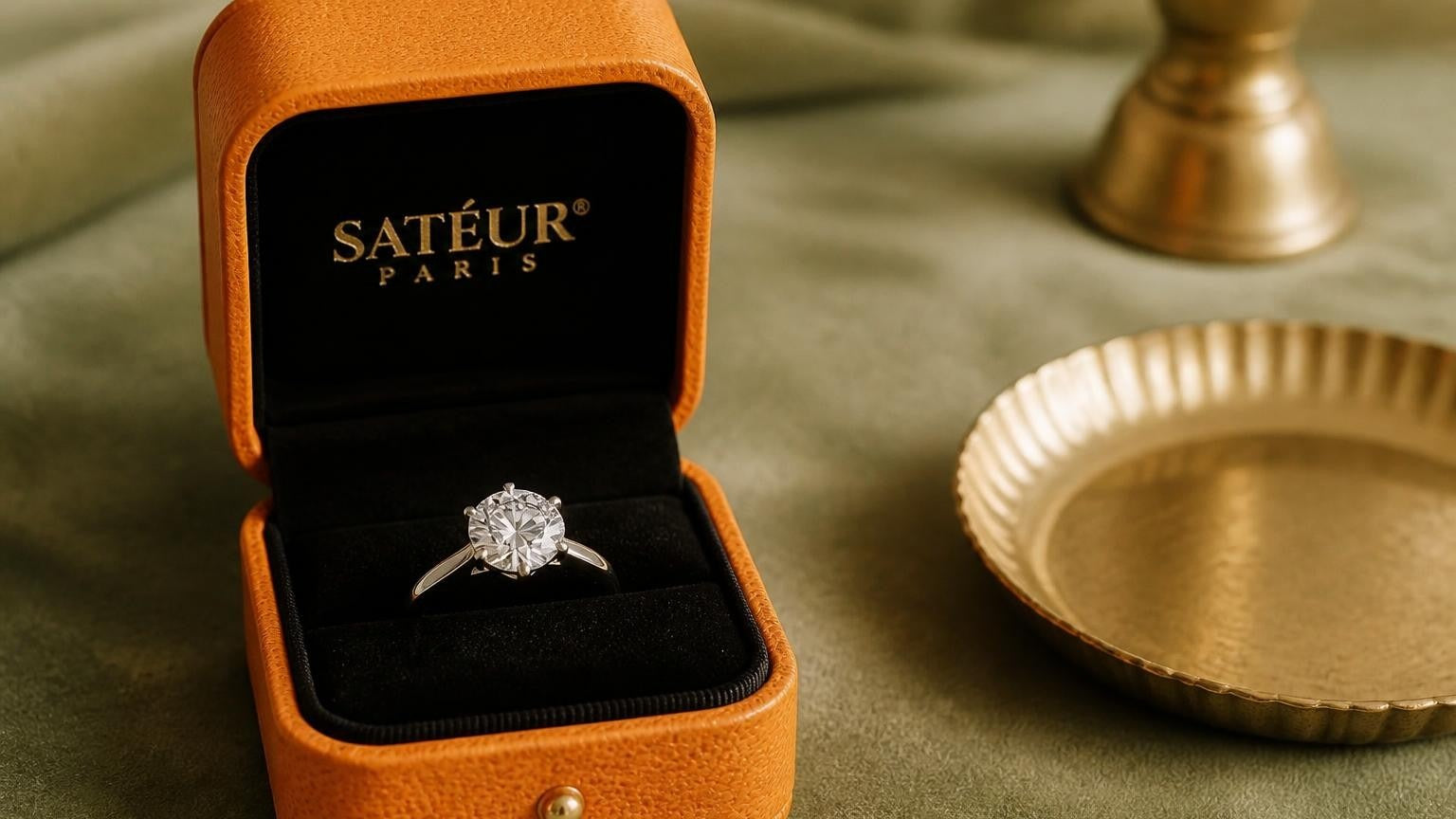
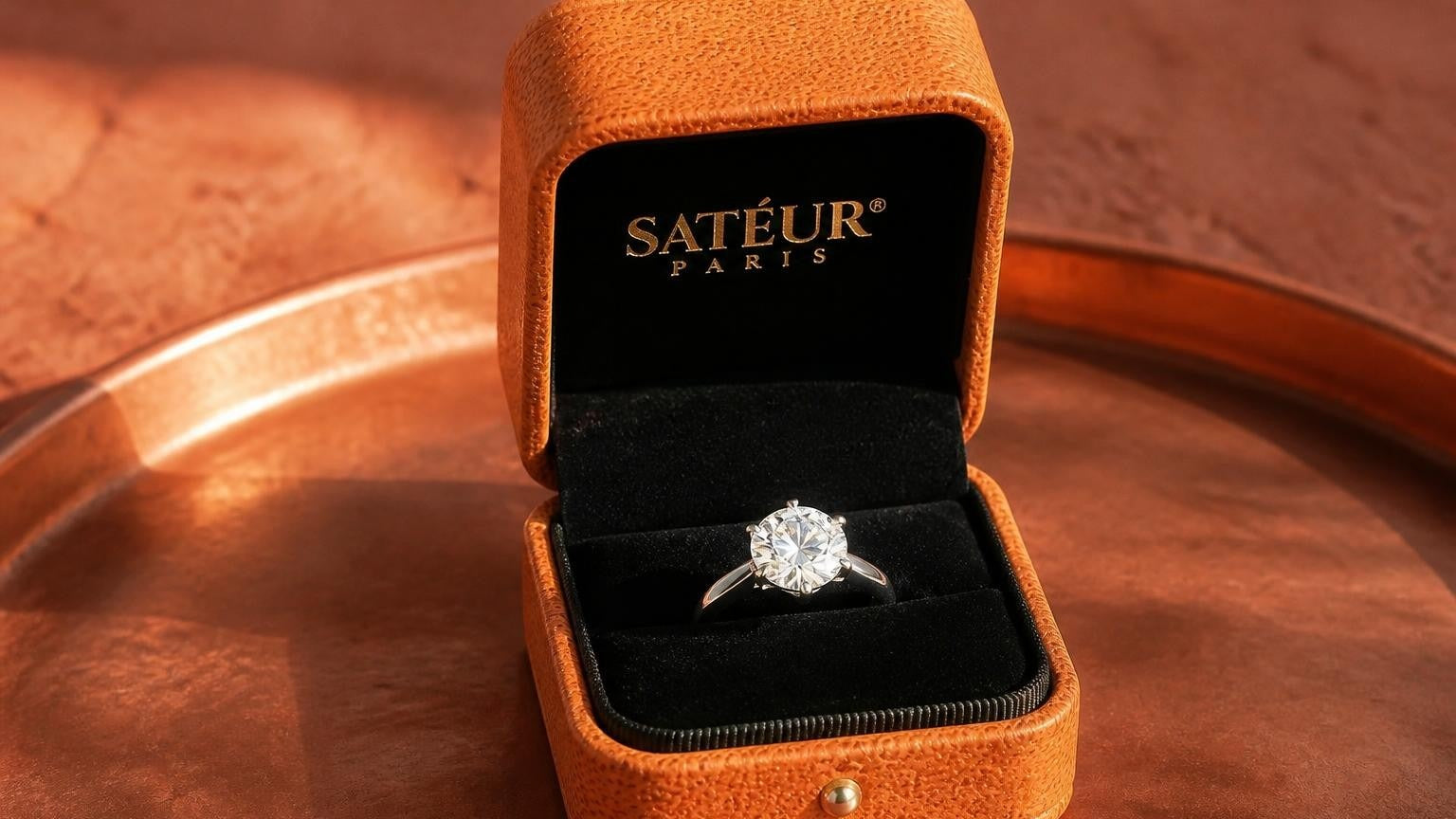
Satéur moissanite rings begin under $100 — the diamond-look aesthetic at approximately 1% the cost of comparable mined stones. The Satéur Destinée Ring™ is set with a colourless D–E moissanite in 18k gold finish. The 2.4× fire advantage means moissanite reads brilliantly across a table, under restaurant lighting, in photographs. For buyers who specifically want a stone that is chemically a diamond, lab created diamond is the more appropriate tier.
Browse the Satéur moissanite ring collection for current pricing and available sizes.

Satéur Destinée Ring™
The look of a flawless diamond — from $138.
D-E colour · Excellent cut · 18k gold finish
Free worldwide delivery. 30-day returns. Lifetime Satéur Care.
Shop the Destinée RingFree worldwide shipping · 30-day returns · Lifetime Satéur Care
FAQ: Moissanite and Lab Diamonds
Is moissanite the same as a lab created diamond?
No. Moissanite is a lab-created silicon carbide gemstone; lab created diamonds are chemically identical to mined diamonds (pure carbon). They are entirely different materials with different optical properties, hardness ratings, and price points. Moissanite is not a diamond and is not labelled as one.
What is the main difference between moissanite and lab diamonds?
The primary differences are composition and optical character. Lab created diamonds are carbon crystals — chemically identical to mined diamonds — graded on the 4Cs scale. Moissanite is silicon carbide with a higher refractive index (2.65–2.69 vs 2.42) that produces vivid rainbow fire approximately 2.4× the dispersion of diamond. Moissanite costs significantly less per carat.
Does moissanite look like a lab diamond to the naked eye?
Visually, moissanite and lab created diamonds are similar at normal distances — both colourless, both brilliantly faceted. Under direct light, moissanite's more intense rainbow fire is visible to the naked eye. Those familiar with diamonds may notice the difference; those who are not typically find both stones indistinguishable from mined diamond visually.
Which is more durable: moissanite or lab created diamonds?
Both are highly durable for daily wear. Lab created diamonds rate Mohs 10 — the maximum hardness. Moissanite rates Mohs 9.25. In practical terms, both resist everyday scratching effectively. Neither clouds or degrades over time. The difference matters primarily for buyers in physically demanding conditions where even slight hardness differences become relevant.
How much will I save by choosing moissanite over lab diamonds?
Considerably. A 1-carat lab created diamond of good quality runs $400–$1,500 depending on 4Cs grade. A comparable 1-carat moissanite runs $80–$300. Satéur moissanite rings begin under $100. The saving versus lab created diamond is typically 70–90% per carat; versus mined diamond, moissanite delivers the diamond-look aesthetic at approximately 1% of the cost of comparable mined stones.
Can moissanite and lab diamonds be used in the same ring designs?
Yes. Both moissanite and lab created diamonds are available in standard round brilliant and fancy cuts and set in the same metals — yellow gold, white gold, rose gold, platinum. Ring designs, prong styles, and band configurations are interchangeable. The gem selection does not restrict your choice of setting.















Leave a comment
This site is protected by hCaptcha and the hCaptcha Privacy Policy and Terms of Service apply.