





A synthetic diamond is a real diamond — chemically and physically identical to a mined stone, grown in a laboratory in weeks rather than billions of years. The only difference is origin. Both are graded by IGI and GIA on the same standards.
That distinction separates lab-grown diamonds (genuine diamonds by every scientific measure) from simulants such as cubic zirconia — different materials that resemble diamond visually but perform differently over time.

Key Takeaways
- Synthetic diamonds are chemically identical to mined diamonds — grown in weeks, not billions of years.
- Both receive the same IGI/GIA grading on colour, clarity, cut, and carat.
- Lab diamonds use HPHT or CVD technology to replicate Earth's mantle conditions.
- Lab-grown diamonds cost 40–50% less than mined equivalents of the same grades.
- Cubic zirconia is a separate third category — a simulant, not a diamond.
Real Diamonds vs Synthetic Diamonds
"Synthetic" means laboratory-created — not imitation or inferior. A synthetic diamond is pure carbon in the cubic crystal structure: same refractive index (~2.42), same Mohs 10 hardness, same optical dispersion as a mined stone. The end result at the atomic level is the same material.
The Third Category: Diamond Simulants
Cubic zirconia (ZrO₂) is the most widely sold diamond simulant. It is not a synthetic diamond — it is a different material with lower hardness and no IGI/GIA grading on the 4 C scale.
What Is a Synthetic Diamond?
A synthetic diamond — also called a lab-grown or cultured diamond — is pure carbon in the identical crystal lattice as a mined diamond, produced in a laboratory rather than the Earth's mantle. IGI and GIA grade lab-grown diamonds on the same 4 C scale: colour, cut, clarity, and carat.
How Are Synthetic Diamonds Created?
HPHT — High Pressure, High Temperature
A diamond seed is subjected to ~1.5 million psi and ~1,400°C, replicating the Earth's mantle. Carbon crystallises onto the seed over days to weeks.
CVD — Chemical Vapour Deposition
Carbon atoms from a hydrocarbon gas deposit layer by layer on a diamond seed in a vacuum chamber — the method most used for high-clarity gem-quality stones today.

Key Physical Differences
Mined Diamond vs Lab-Grown Diamond vs Cubic Zirconia
| Property | Mined Diamond | Lab-Grown Diamond | Cubic Zirconia |
|---|---|---|---|
| Composition | Pure carbon (C) | Pure carbon (C) | Zirconium dioxide (ZrO₂) |
| Mohs hardness | 10 | 10 | 8–8.5 |
| Refractive index | 2.417–2.419 | 2.417–2.419 | 2.15–2.18 |
| Certification | IGI / GIA graded | IGI / GIA graded | Not graded on 4 C scale |
| Durability | Lifetime, scratch-resistant | Lifetime, scratch-resistant | Clouds within 1–3 years |
| Origin | Earth-mined | Laboratory (HPHT or CVD) | Laboratory |
Mined and lab-grown diamonds are physically and chemically equivalent — they differ only in origin. Cubic zirconia is a different material that performs differently over time.

Price Comparison: Real vs Synthetic
Lab-grown diamonds cost 40–50% less than mined equivalents. A one-carat D-colour, Excellent-cut mined diamond may retail above $5,000–$8,000; a lab-grown equivalent with an IGI certificate typically retails between $1,000–$2,500.
What Drives the Mined Diamond Premium?
Finite supply of gemological-quality rough, extraction costs, and decades of marketing investment. None of those factors alter the stone's physical properties — buyers who prioritise optical performance per dollar may not need to pay it.
Durability and Longevity
Both mined and lab-grown diamonds score Mohs 10 — maximum hardness. A lab-grown diamond ring resists scratching and dulling over decades identically to a mined one. Cubic zirconia scores 8–8.5 and develops a cloudy, muted appearance visible to the naked eye within one to three years.

Satéur Lab Diamonds: Certified and Conflict-Free
IGI-Certified, D-E Colour, Excellent Cut
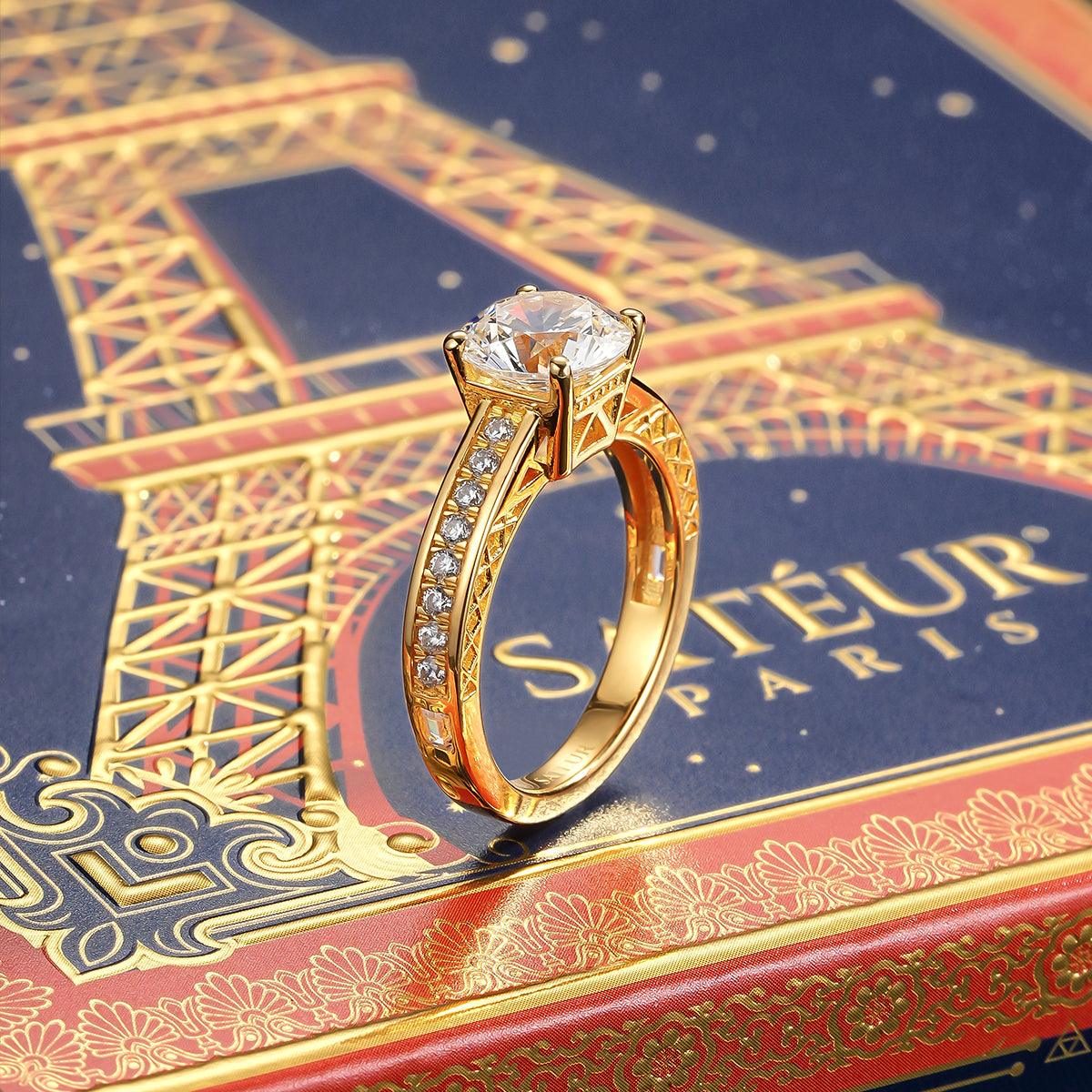
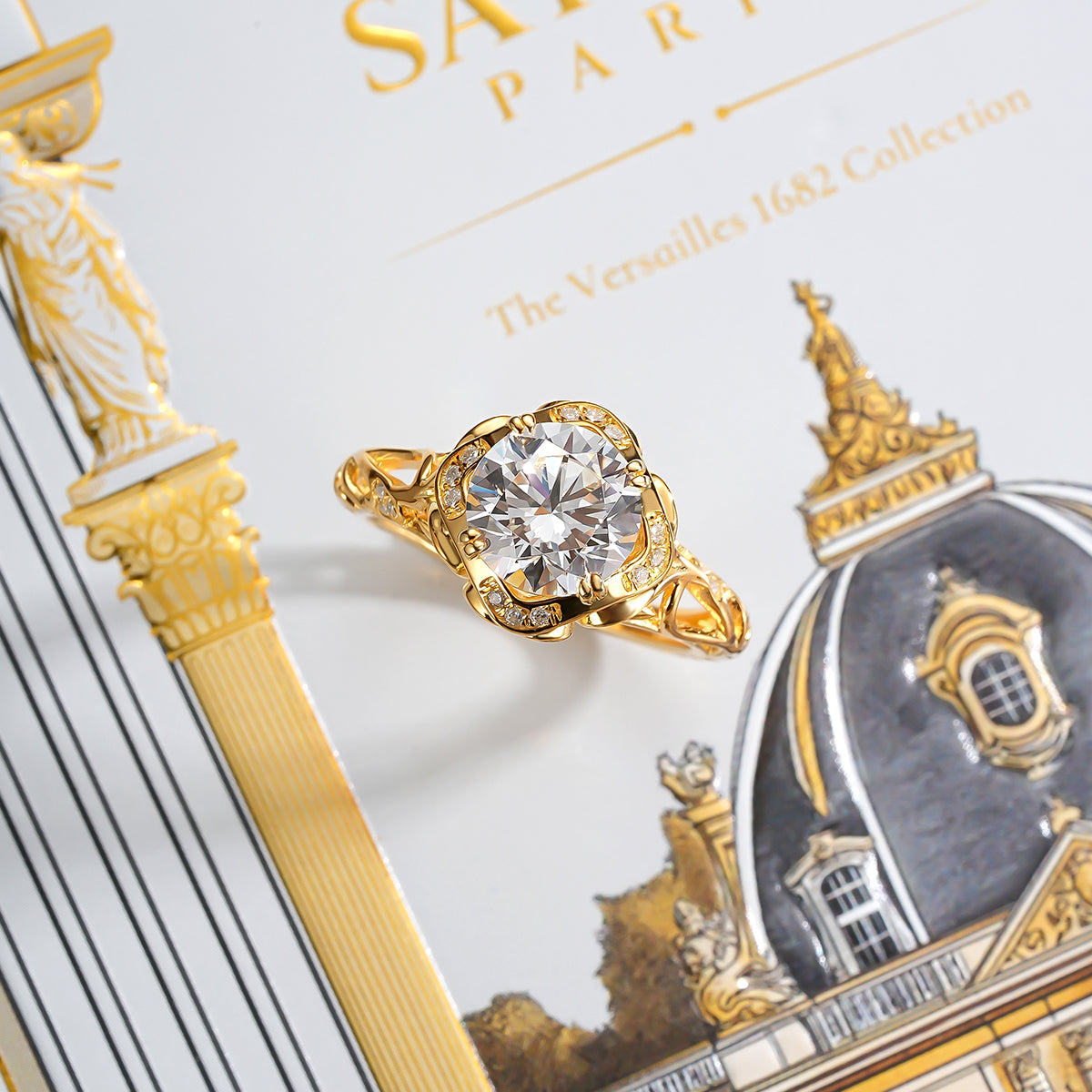
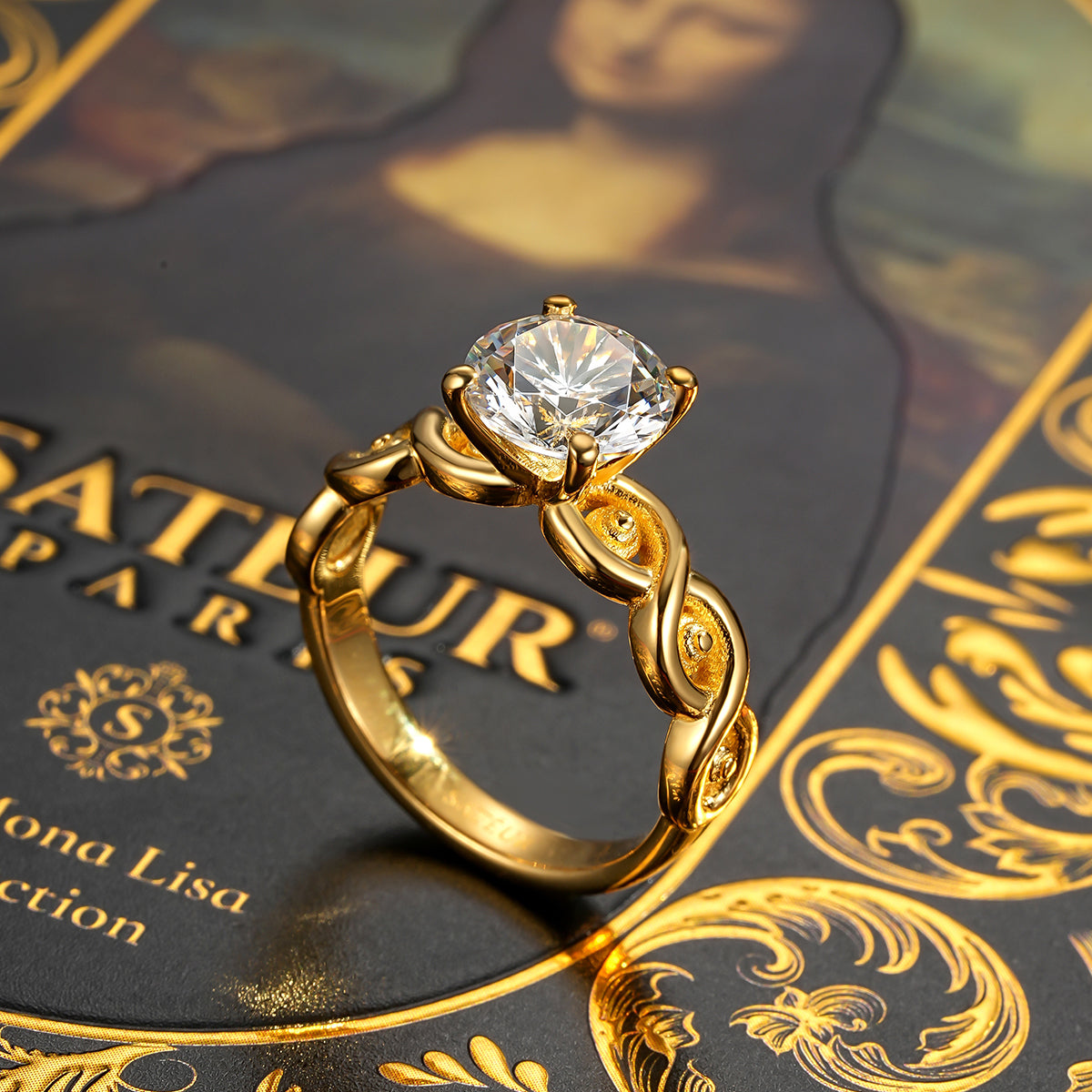
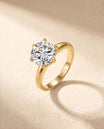
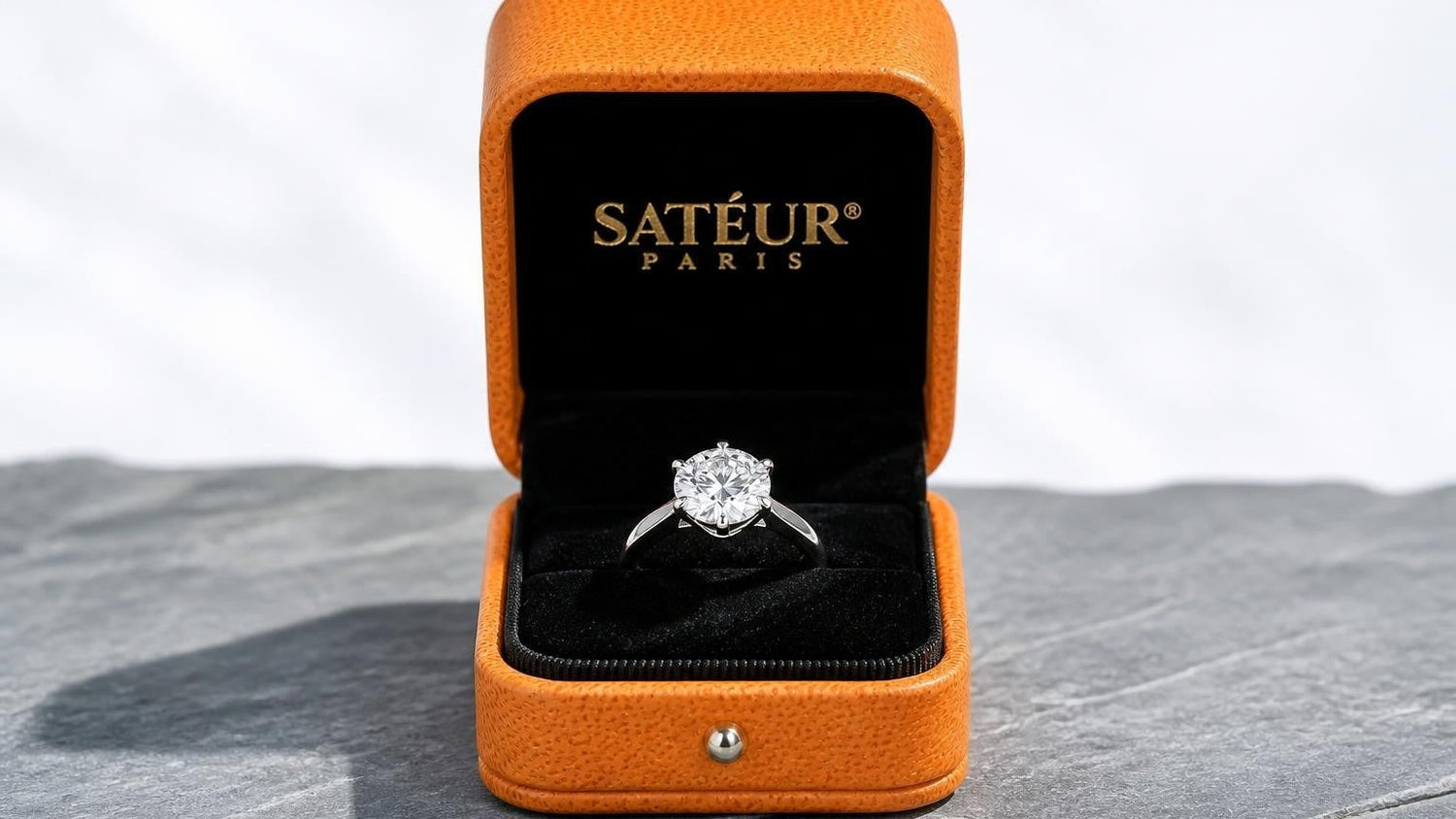
Satéur's lab diamond rings are IGI-certified, graded D-E colour and Excellent cut, set in an 18k white gold finish. Conflict-free by design — grown in a controlled facility, not extracted from the Earth.
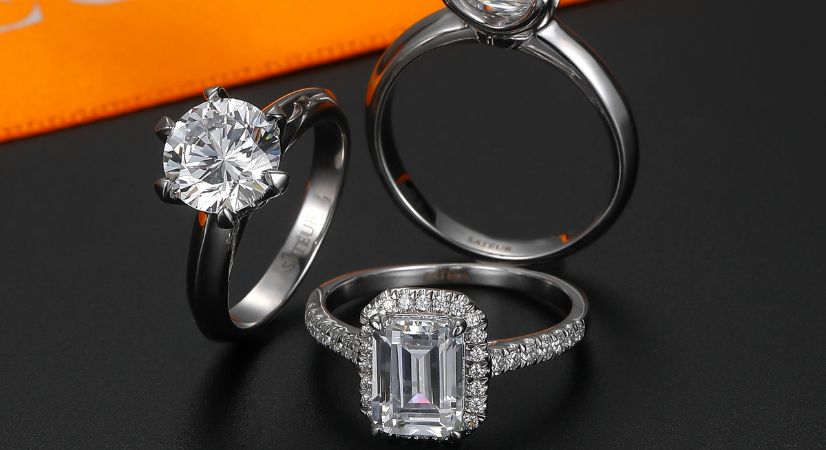
A Satéur lab diamond is a diamond. The price difference reflects origin and production method, not quality. The lab-grown vs traditional diamonds guide and the lab-grown vs natural diamond comparison cover each tier in detail. The Satéur lab-grown diamond range shows the full collection.

Satéur Destinée Diamond Ring™
The look of a flawless diamond — from $138.
D-E colour · Excellent cut · 18k gold finish
Free worldwide delivery. 30-day returns. Lifetime Satéur Care.
Shop the Destinée Diamond RingFree worldwide shipping · 30-day returns · Lifetime Satéur Care
Frequently Asked Questions
What is the difference between a real diamond and a synthetic diamond?
A synthetic diamond is a real diamond — chemically pure carbon in the cubic crystal structure, identical in every physical and optical property to a mined stone. The only difference is origin. Both score Mohs 10 and receive the same IGI/GIA grading.
Are lab-grown diamonds certified as genuine?
Yes. IGI and GIA grade lab-grown diamonds on the same colour, clarity, cut, and carat scale as mined diamonds. A lab-grown diamond certificate carries the same authority as a mined diamond certificate from the same laboratory.
How are lab-grown diamonds made?
HPHT compresses a carbon source and diamond seed to ~1.5 million psi at ~1,400°C, replicating the Earth's mantle. CVD deposits carbon atoms layer by layer from a hydrocarbon gas onto a diamond seed in a vacuum chamber. Both produce genuine diamonds.
Do synthetic diamonds have the same durability as mined diamonds?
Yes. Both score Mohs 10 — the maximum hardness rating. There is no durability difference between a mined and a lab-grown diamond of equivalent grades; both resist scratching from any material encountered in normal daily wear.
Why do lab-grown diamonds cost less than mined diamonds?
Lab-grown diamonds cost 40–50% less because production is scalable and supply is not constrained by geological scarcity or extraction logistics. The price gap reflects production cost, not material quality — the diamond is the same substance.
Can a lab-grown diamond be distinguished from a mined diamond by appearance alone?
No. Both display identical crisp white brilliance and optical fire to the naked eye. Distinguishing between the two requires advanced spectroscopic equipment reading trace-element and growth-pattern differences — nothing visible during normal wear.

















Leave a comment
This site is protected by hCaptcha and the hCaptcha Privacy Policy and Terms of Service apply.