


Lab Grown Diamond Grading Explained
Lab-grown diamonds are graded using the same Four Cs system as mined diamonds. Understand color, clarity, cut, and carat — and how to read an IGI or GIA grading report.
Lab Grown Diamond Pros and Cons: What to Know
A complete guide to the pros and cons of lab grown diamonds, including price, durability, certification, and how they compare to mined diamonds and diamond simulants.
Do Lab Grown Diamonds Test as Real
Lab-grown diamonds test as real on standard diamond testers. This article explains the science of diamond testing, thermal conductivity, IGI certification, and what it means for buyers choosing a l...
Lab Grown Diamond vs Cubic Zirconia: What Actually Separates Them
Lab grown diamonds and cubic zirconia are not the same. Here is what separates them — hardness, brilliance, IGI certification, and price — and which matters for you.
Are Lab Grown Diamonds Worth It: Value, Cost, and Resale
Lab grown diamonds cost 40–60% less than mined diamonds and are confirmed real by the FTC — but resale value depreciates 70%+. A clear-eyed guide to the decision.
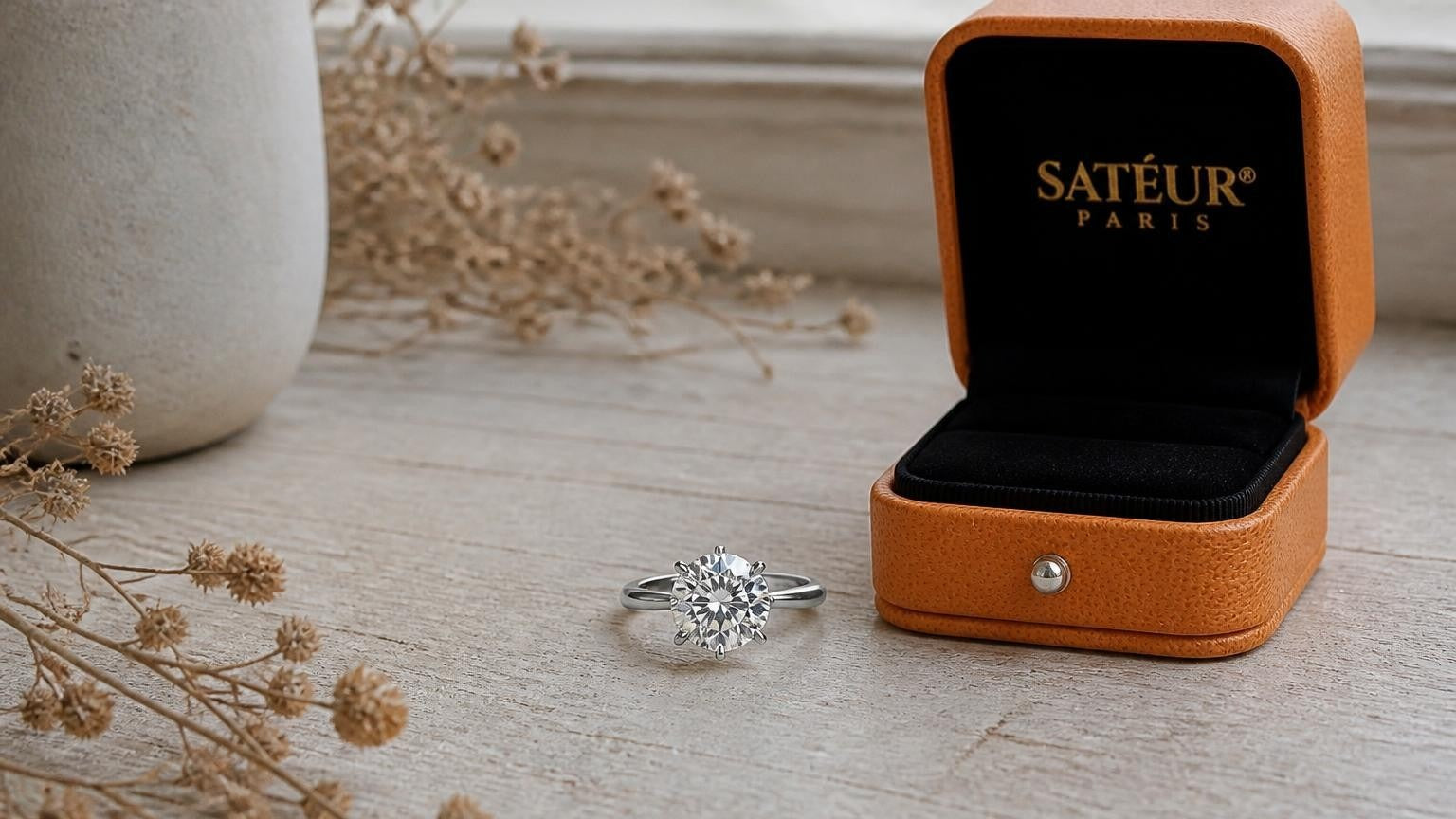
2 Carat Lab Grown Diamond Ring Price: What to Expect in 2024
How much does a 2 carat lab grown diamond ring cost? Colour, clarity, cut and certification explained — and a smarter diamond alternative at 1% of the price.
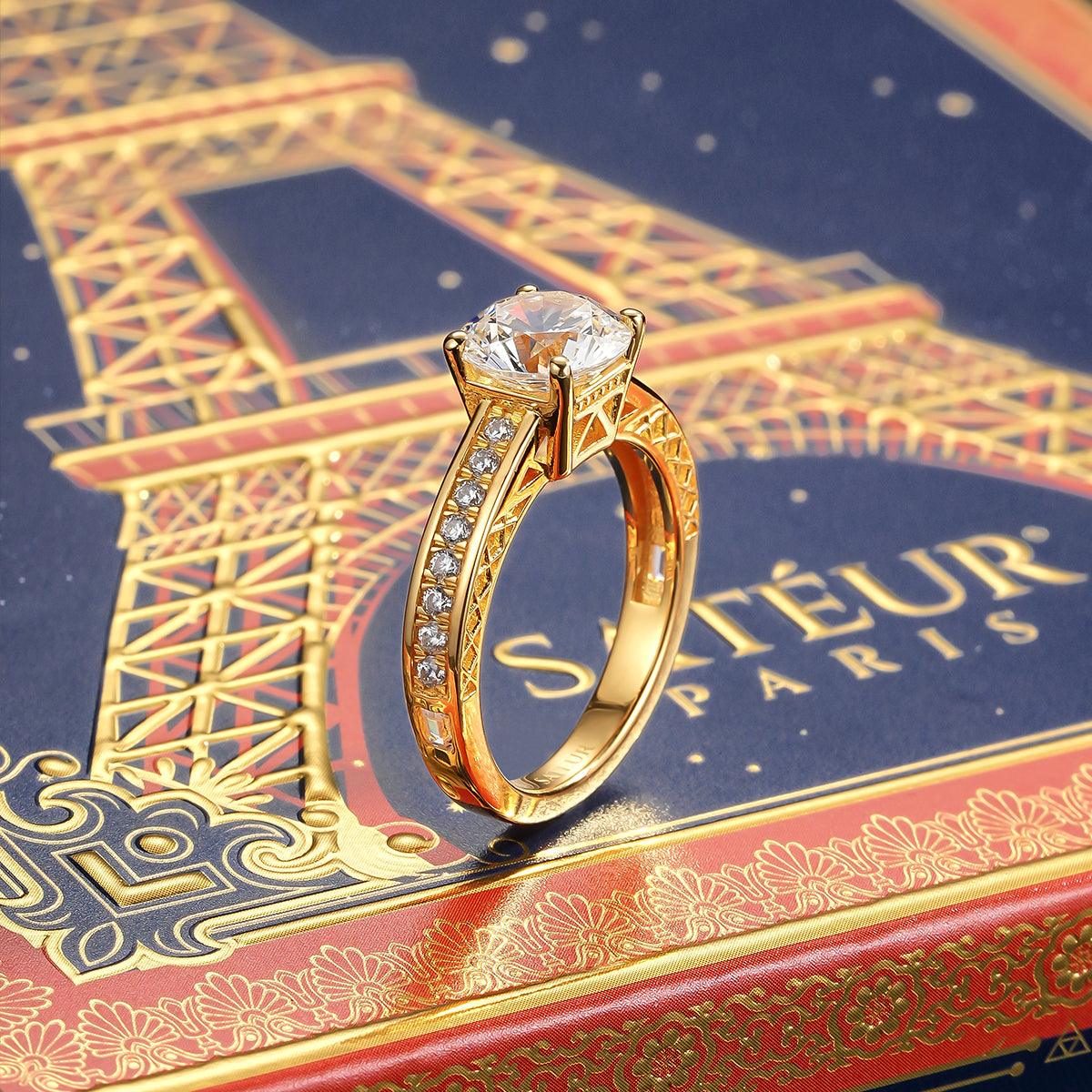
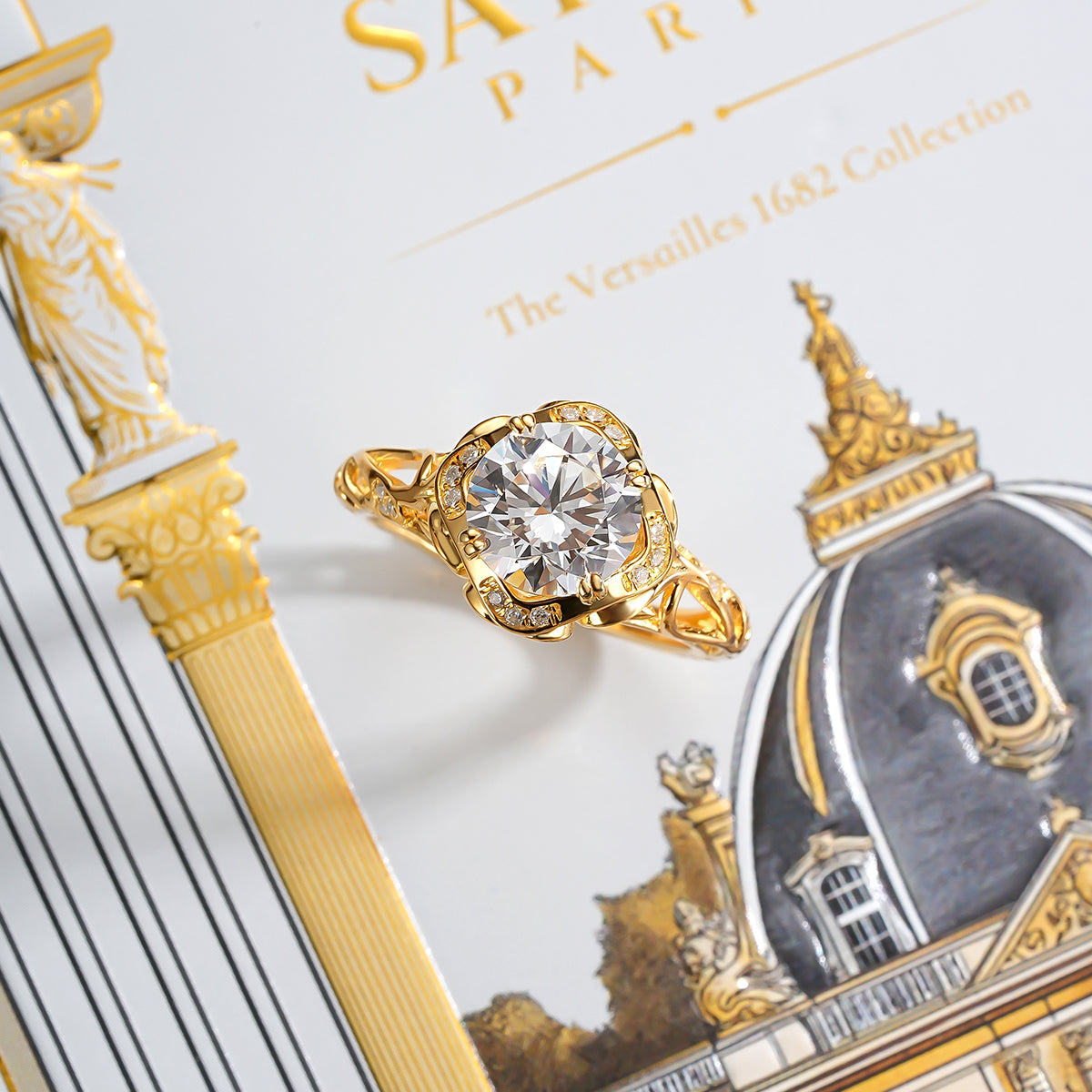
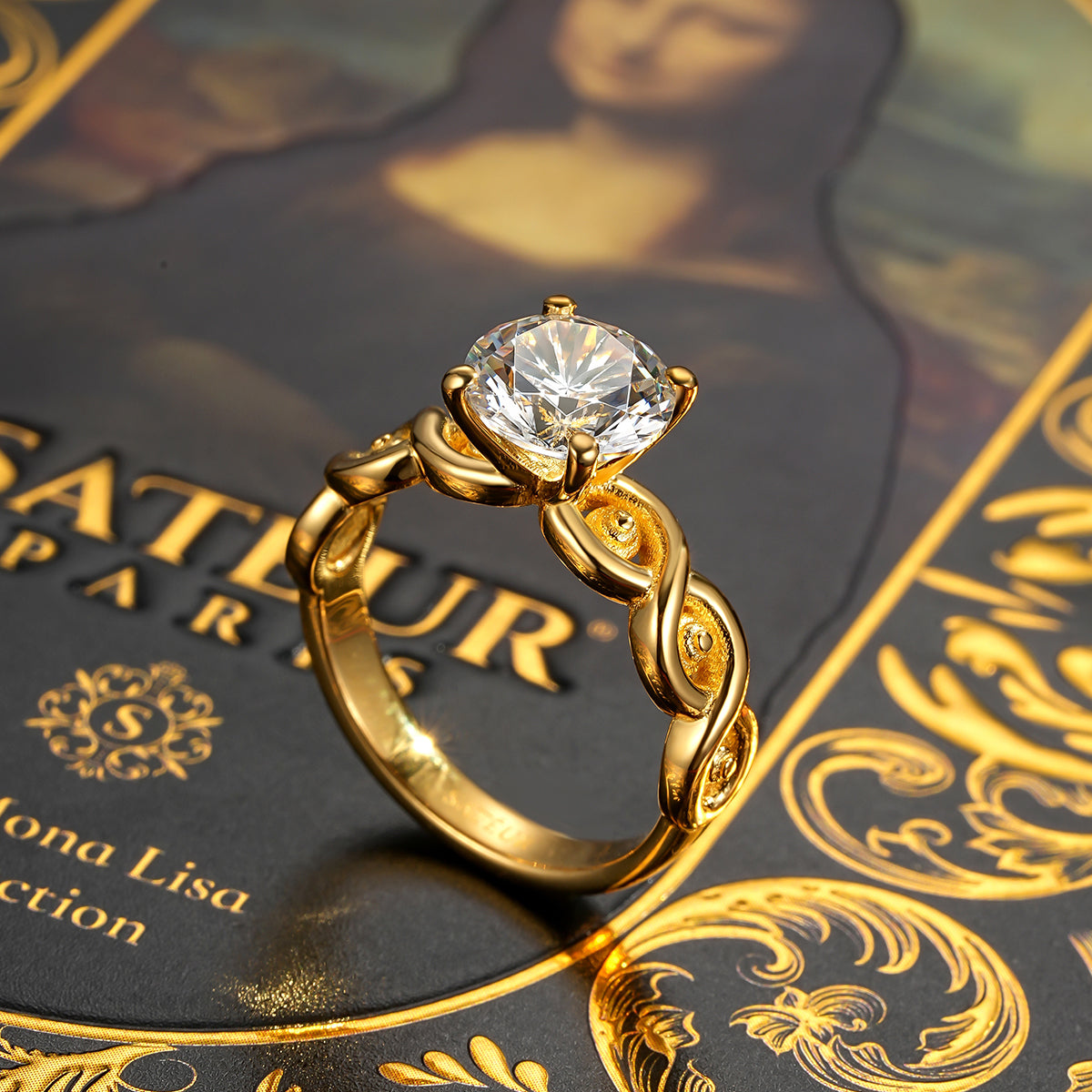
Satéur® — The 1% Ring®
Looks like a $10,000 diamond. Costs just 1%.
A new standard of brilliance —
defined by clarity, not convention.
Popular Products

 2.00ct
A landmark, on the hand.

 2.00–5.00ct
The hand, made sovereign.

 1.00 x 2–3.00 x 2ct
A pair, for the icon.

 2.00ct
The collector's full chapter.

 2ct
2ctTwo rings. One vow.

 5.00ct
The masterwork.

 1.50 + 1.00 + 0.50ct
A trinity, decided.

 2.00 + 1.00 + 1.00ct
Three carats, three chapters.
It looks like a $10,000 diamond—but costs less than a night out. Satéur is changing the rules of engagement.

We put it next to a real diamond—and couldn’t tell the difference. Satéur might be the smartest sparkle in jewelry.

Satéur isn’t just selling rings. It’s building a movement for couples who want meaning over markup.

Featured In