





Homecoming Ring — Tradition, Styles, and Choosing the Right Stone
A homecoming ring marks a return. A soldier home from deployment. A reunion long-awaited. A milestone that closed a difficult chapter and opened a quieter, better one. The ring is not decoration — it is evidence. Something worn on the hand that says: this moment was real, and it mattered.
This guide covers what a homecoming ring is, how styles and stones have evolved, and how diamond-look alternatives now make it possible to give something genuinely beautiful without carrying unnecessary financial weight into a reunion that already asks enough of everyone involved.
Key Takeaways
- Homecoming rings are a distinct U.S. tradition — separate from class rings, engagement rings, and promise rings.
- D-E colour diamond-look stones offer the same neutral, white sparkle as premium mined diamonds.
- Satéur Gems® deliver the look of a flawless diamond at roughly 1% of the price, starting near $138.
- Sterling silver (92.5% pure) and 18K gold-finish settings suit daily wear at any budget.
- Fit and comfort matter most for a ring worn every day — size carefully, especially for active wearers.
What Is a Homecoming Ring
The term covers two overlapping traditions. In American secondary schools, a homecoming ring is given — sometimes by a partner, sometimes purchased personally — to mark the homecoming season: the autumn celebration, the court, the game. It functions as a wearable keepsake of that year, that school, that moment in early life.
The second and emotionally deeper tradition is the reunion ring: a ring given or exchanged when someone returns after a long, difficult absence. Military homecomings have long carried this ritual. A spouse or partner waiting months or years marks the return with something tangible — a ring that outlasts the relief of the airport embrace and becomes part of daily life.
Both uses share the same core logic. The ring is not about engagement or marriage. It is about marking a chapter that needed to be marked.

Traditional vs. Modern Homecoming Ring Styles
The classic high-school homecoming ring followed the class-ring model: a substantial setting, school colours rendered in enamel, perhaps a stone in the school's gem. Chunky. Institutional. Meaningful for exactly one year of one life.
Modern homecoming rings have moved away from that template. The most gifted styles today look like fine jewellery — solitaire rounds, delicate bands, low-profile settings that suit everyday wear. The occasion is marked not by a crest but by the quality of the piece itself.
For military homecomings in particular, a slim solitaire or a pavé band has become the default. It wears well under a uniform or work gloves. It does not call attention to itself. It is simply there, every day, doing its quiet work.
If you are choosing between formats: a solitaire communicates singularity — one moment, one person. A band communicates continuity — the promise that the chapter ahead is longer than the one that just closed. Both are correct. The choice depends on what the recipient will actually wear.
Choosing Your Stone — Diamond-Look Alternatives
The stone question is where most buyers spend too long and where most of the cost lives. A brief, direct answer:
For a homecoming ring, the visual standard is a D-E colour, eye-clean stone — the kind that reads as a flawless diamond at conversational distance. That standard is met by several gem families, not only by mined diamonds.
Mined diamonds remain the reference. They also remain expensive: a 1-carat round brilliant in D-E colour and VS+ clarity runs roughly $8,000–$12,000 on the retail market.
Moissanite is a lab-created gemstone — openly disclosed, not a diamond. It sits at approximately 9.25 on the Mohs scale, making it extremely durable for daily wear. Its optical signature is vivid: more rainbow fire than a diamond, which some find striking and others find too pronounced for a ring meant to read quietly.

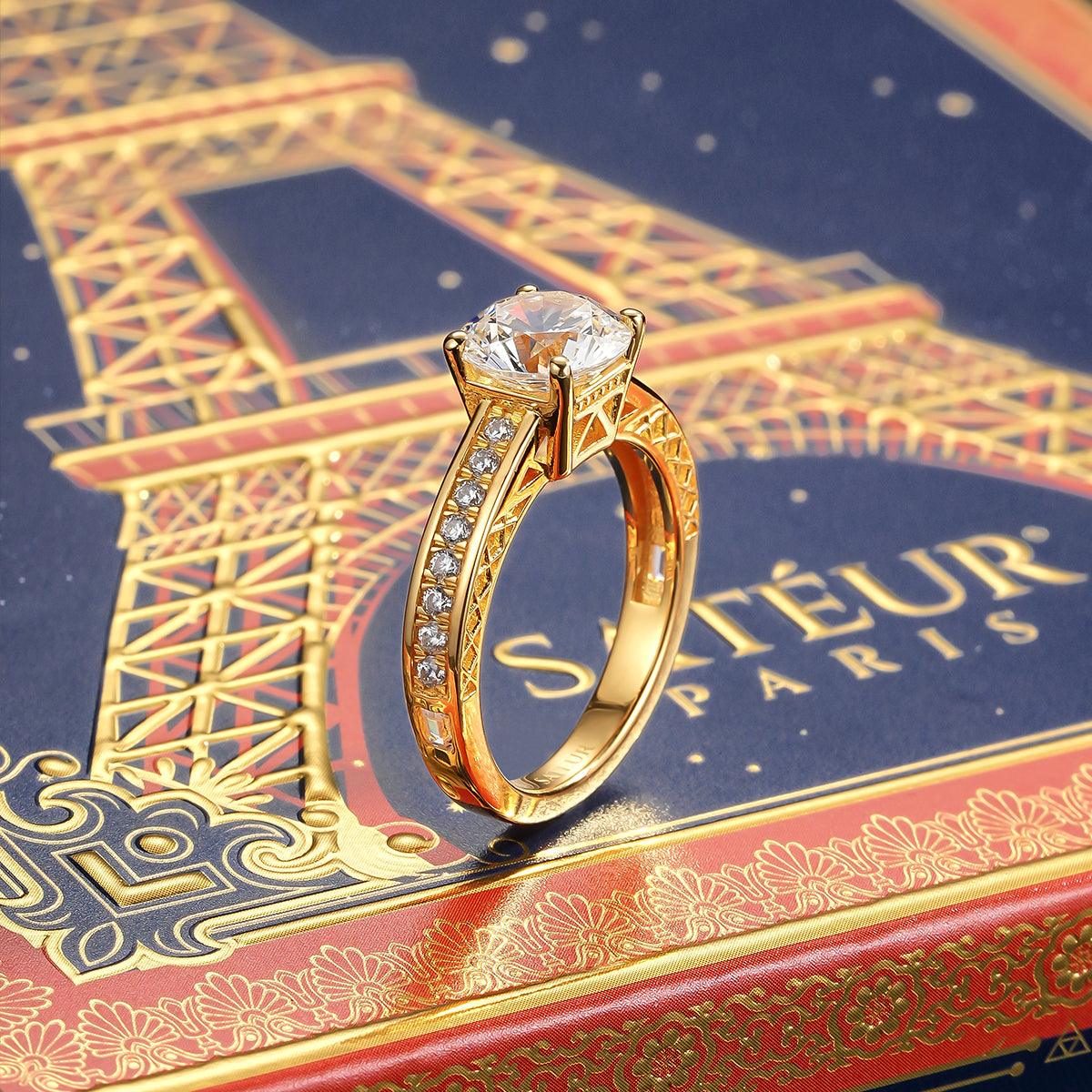
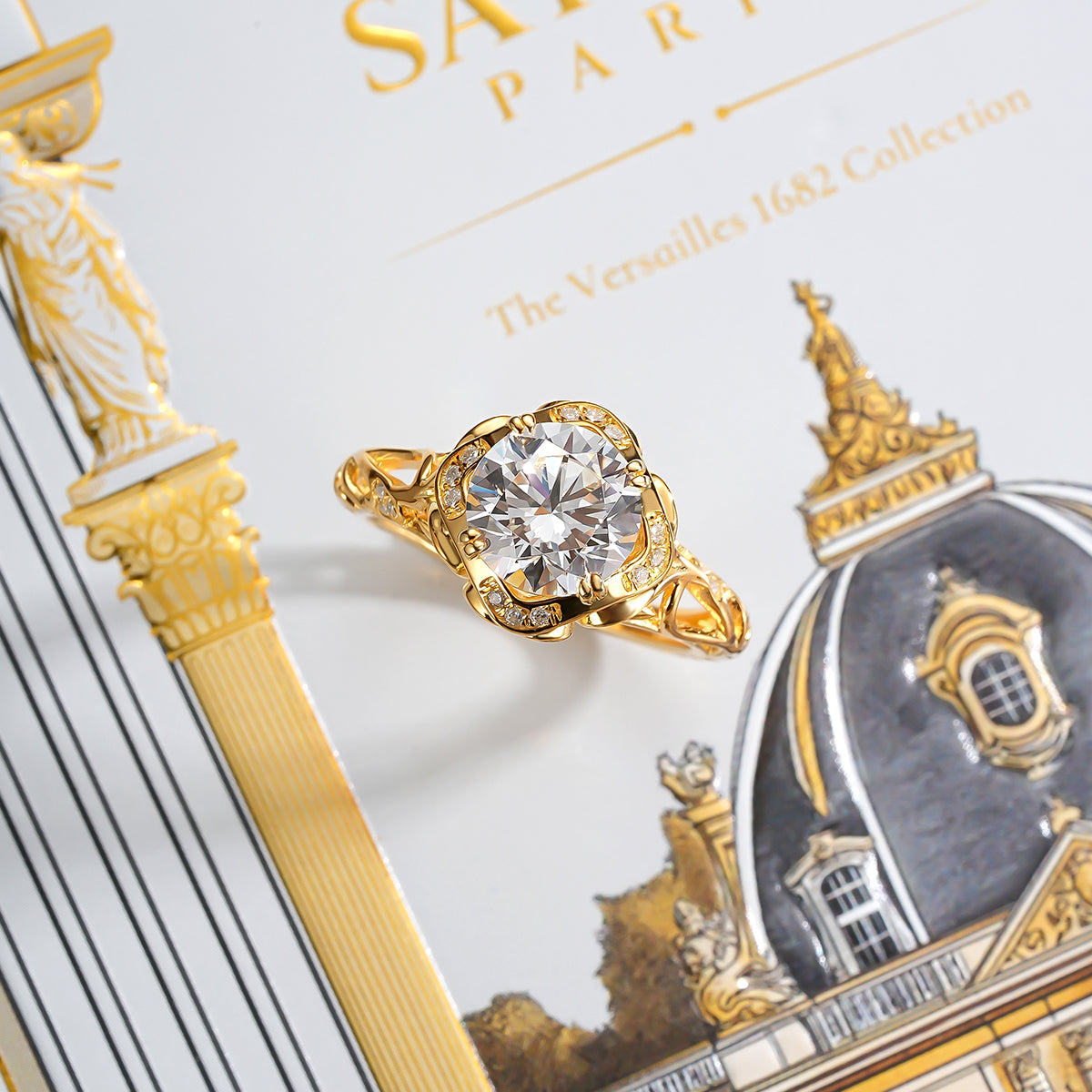
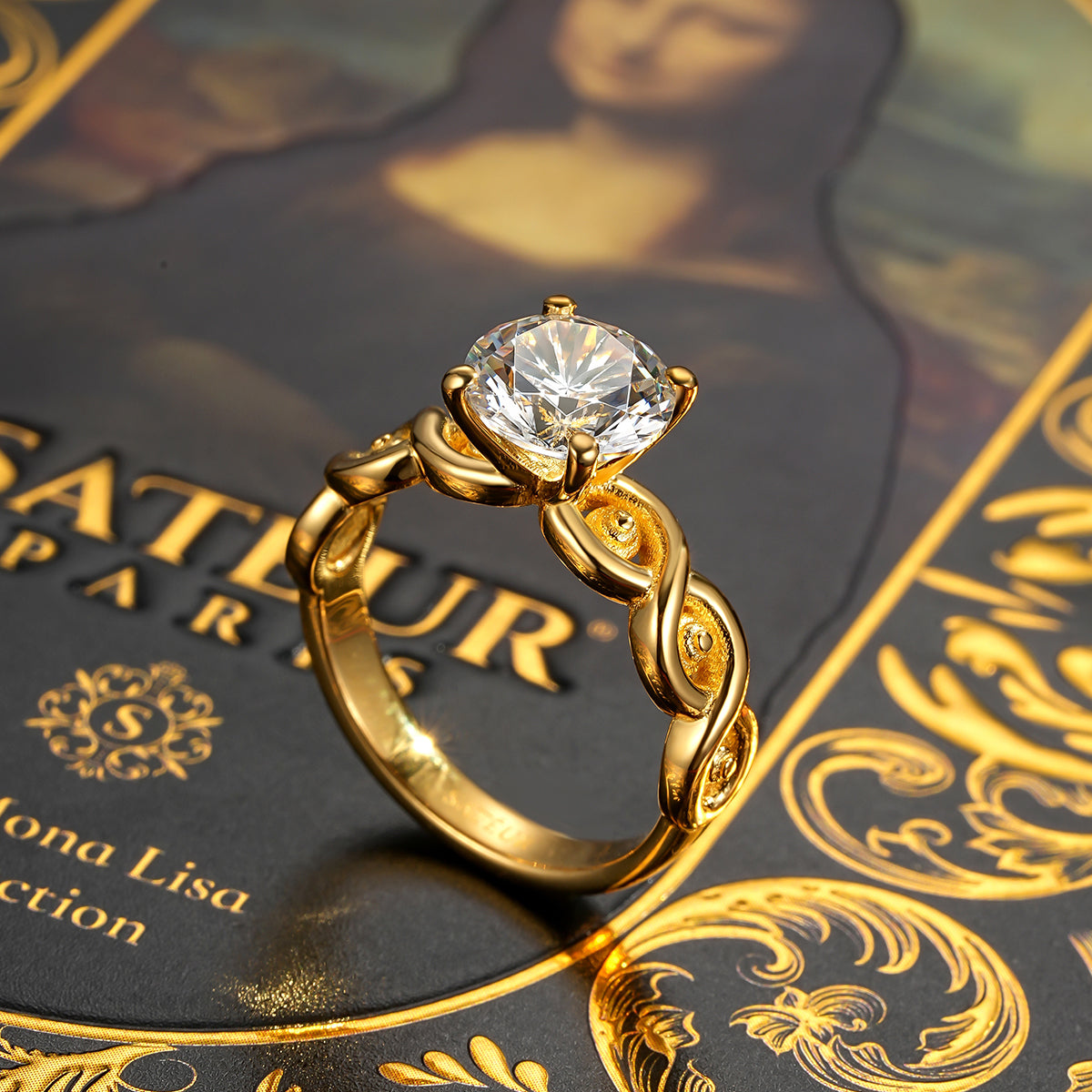
Satéur Gems® occupy a different position. The trademarked simulant is engineered for diamond-accurate brilliance — the clean, white light of a flawless diamond, not a louder substitute. At roughly 1% of a mined diamond's price, a Satéur Gems® solitaire starts near $138. The visual result, with the naked eye, is the same presence as a stone costing many thousands more.
The choice between moissanite and Satéur Gems® comes down to what the recipient prefers: vivid, rainbow-forward fire, or the restrained, precise light of a diamond. Both are extremely durable. Both are built for everyday wear.

Satéur Destinée Ring™
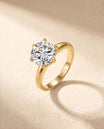
The look of a flawless diamond — hand-set in 18k gold finish, from $138.
Compare to a $10,000 mined diamond
Joined by 100,000+ couples across 150+ countries.
Shop Destinée RingFree worldwide shipping · 30-day returns · Lifetime Satéur Care
Satéur Gems® — The Value Case for Homecoming Rings

A homecoming — especially a military one — arrives after months of careful budgeting. The money saved during deployment rarely lands in a moment of pure financial ease. A ring that costs $88 and looks like a $10,000 diamond is not a compromise. It is the correct choice for that moment.
The Satéur Destinée Ring™ was designed precisely for this kind of occasion. A 1.00-carat round cut in 18K white gold finishing. The gem — a Satéur Gems® — is graded at D-E colour equivalent and cut to the same 58-facet standard as the finest mined stones. The brilliance is diamond-accurate. The price is not.
Over 100,000 people across 150+ countries have chosen this path. Not because they had no other option, but because they understood that the meaning of a ring has nothing to do with the markup paid to a mining company.
The New Diamond Standard is not a consolation. It is a better argument.
Ring Metals — Silver, Gold, and Durability
The setting metal affects both the look and the longevity of the ring.
Sterling silver (92.5% pure silver, 7.5% copper) is the most accessible option. It is bright, cool, and pairs well with white or near-colourless stones. It requires occasional polishing and is slightly more susceptible to surface scratches than gold alloys — but for a ring worn by someone in their teens or twenties with an active daily life, sterling silver performs well and costs a fraction of gold.
18K gold finishing — the standard for Satéur settings — provides the warmth and weight that reads as fine jewellery. The 18K finish over a base metal offers the same visual result as a solid gold band at a significantly lower price. It is the correct choice for a ring that will be worn daily and needs to look the part in any setting.
If the recipient has metal sensitivities, confirm they can wear the base metal before purchasing. Most Satéur settings are designed to minimise skin contact through the setting geometry, but it is worth knowing.
Sizing and Comfort for Daily Wear
A homecoming ring is worn every day. Sizing is not a minor detail.
Fingers change size across the day — typically smaller in the morning and after physical activity, slightly larger in heat or after meals. The standard advice is to size in the afternoon, at room temperature, when the hand is at its average. For active wearers, size to the larger measurement — a ring that catches on gloves or work equipment causes real problems.
For a gift purchase, the most reliable method is to find a ring the recipient already wears on the intended finger and measure its internal diameter. A ring-sizer strip — inexpensive and widely available — provides the same measurement without requiring access to an existing ring.
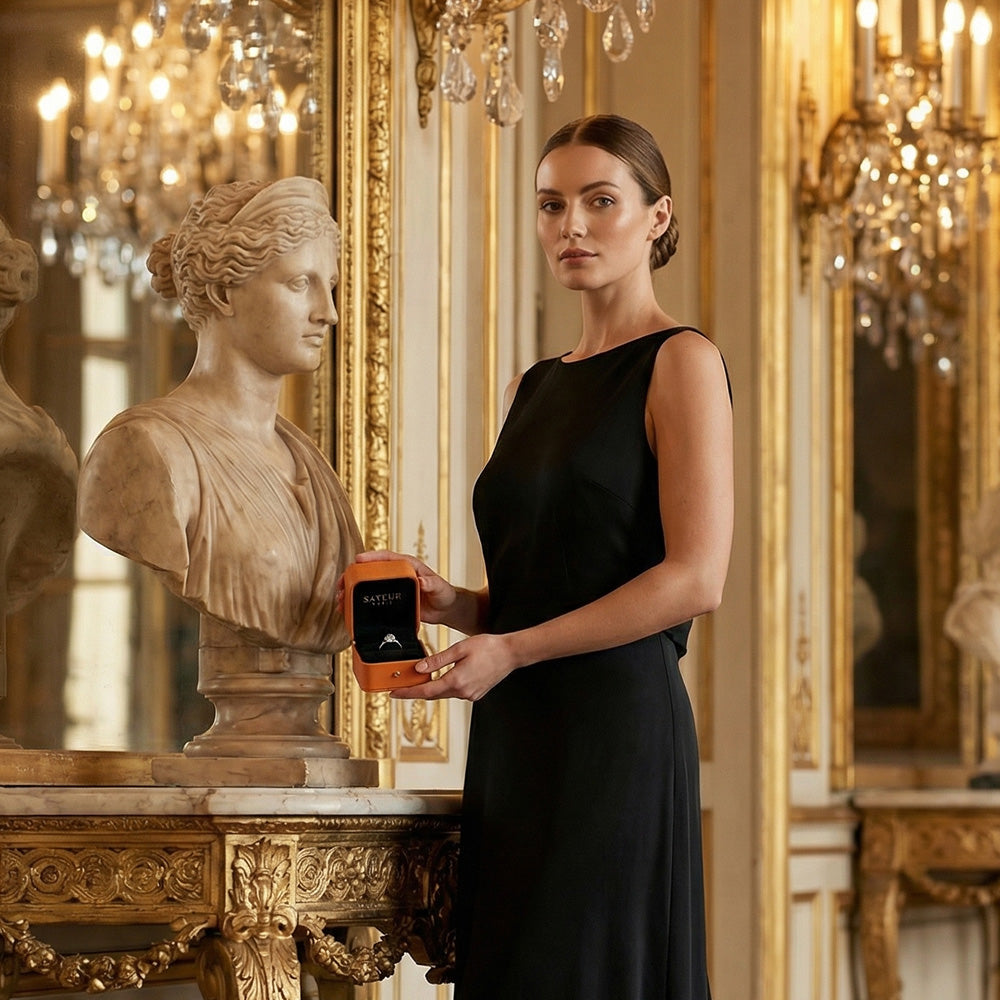
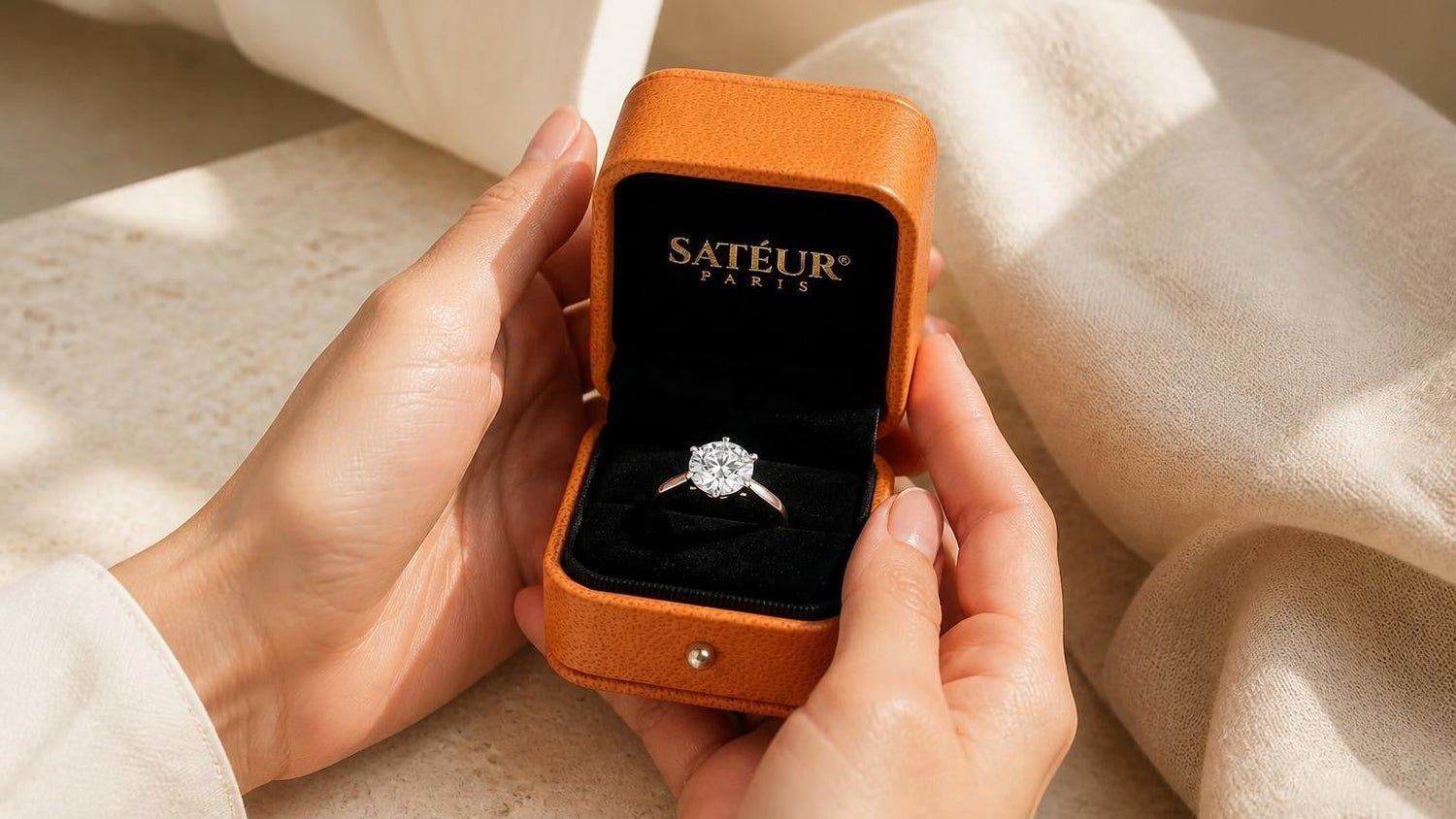
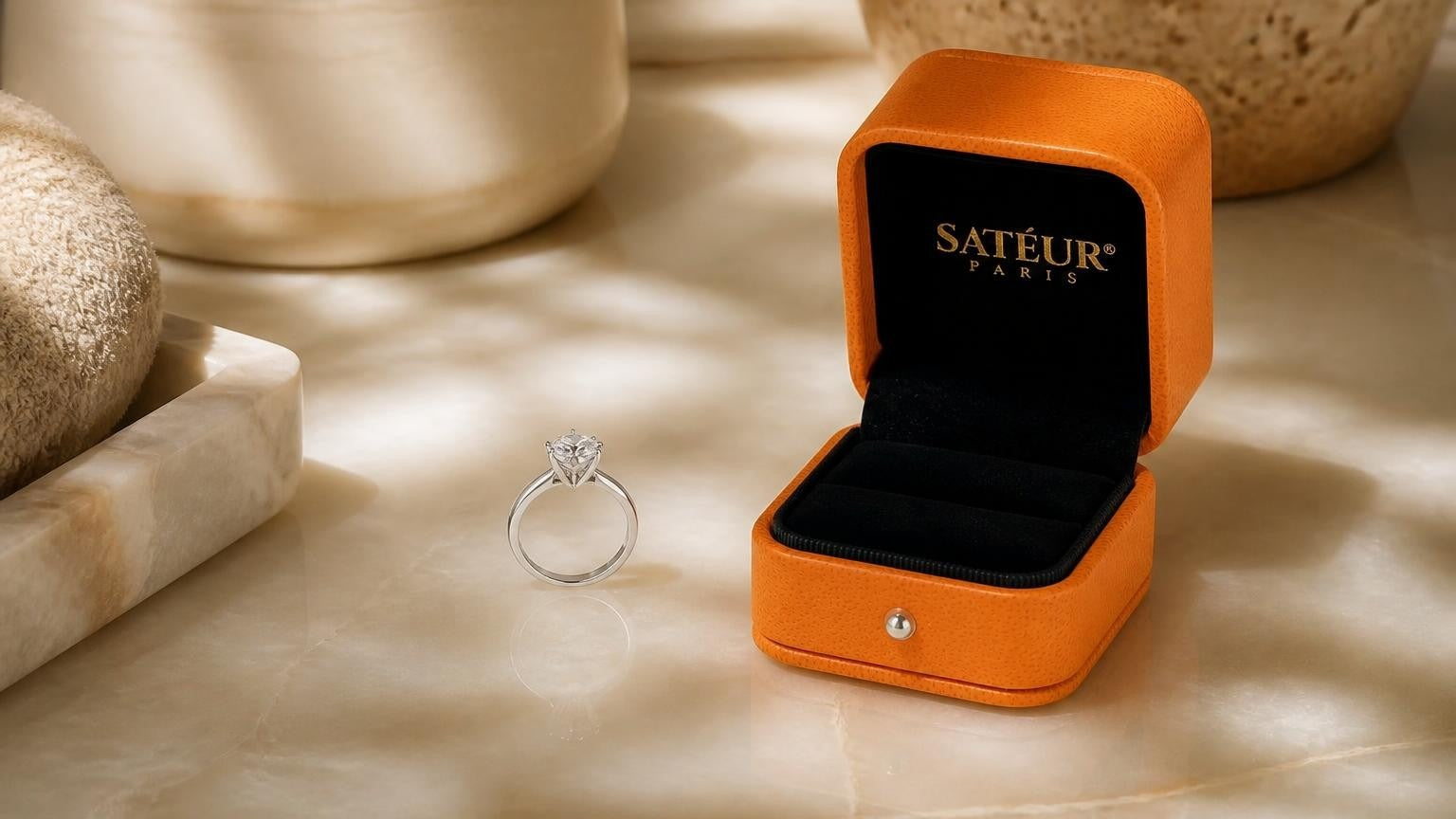
The Satéur Destinée Ring™ is available in a full size range and ships with sizing guidance. If you are unsure, choosing the right presentation matters as much as the size — the ring should arrive in a way that matches the weight of the occasion.
For context on placement tradition, which finger to wear a ring on is a genuine question — homecoming rings are typically worn on the right hand, leaving the left hand free for any future engagement ring.
Frequently Asked Questions About Homecoming Rings
What is the difference between a homecoming ring and a class ring?
A class ring marks graduation from a specific institution — it carries the school name, year, and often a school colour stone or crest. A homecoming ring marks a return or reunion rather than an academic milestone. It looks like fine jewellery rather than institutional memorabilia, and it is typically worn indefinitely rather than retired after school ends.
Can I wear a homecoming ring every day?
Yes. Modern homecoming rings are designed for daily wear. Stones such as Satéur Gems® and moissanite sit at 8.8 and 9.25 on the Mohs hardness scale respectively — both are extremely durable and resist everyday scratching. Sterling silver requires occasional polishing; 18K gold-finish settings maintain their appearance with minimal care.
What metal is best for a homecoming ring — silver or gold?
Sterling silver is the more affordable option and suits cool-toned stones well. 18K gold finishing reads as fine jewellery and pairs beautifully with diamond-look stones. For a ring that will be worn daily in demanding environments, a gold-finish setting with a high-hardness stone is the more practical choice. The Satéur Destinée Ring™ uses 18K white gold finishing as its standard.
How do I choose the right stone for my homecoming ring?
Start with the look you want the stone to project. If the goal is a diamond-accurate white brilliance — the kind that reads as a flawless stone across the table and with the naked eye — Satéur Gems® is the correct choice. If a more vivid, rainbow-forward sparkle appeals, moissanite at 9.25 Mohs delivers that signature. Both are far more accessible in price than mined diamonds of equivalent size.
What size should a homecoming ring be?
Size in the afternoon, when fingers are at their average. Measure the internal diameter of a ring the recipient already wears on the intended finger, or use a ring-sizer strip. For active or outdoor wearers, size to the upper measurement. If purchasing as a surprise gift, the Satéur Destinée Ring™ is available in a full size range, and an exchange for sizing is straightforward.
Do homecoming rings hold resale value?
Homecoming rings — like most jewellery outside of certified mined diamonds — are not purchased as financial instruments. Their value is the meaning they carry and the pleasure of wearing them. Resale value is not the relevant consideration. If the goal is a ring that holds its beauty for decades without requiring thousands of dollars, a diamond-look simulant in a well-made setting is the correct choice — not because of resale, but because of longevity of wear and the absence of debt attached to it.

















Leave a comment
This site is protected by hCaptcha and the hCaptcha Privacy Policy and Terms of Service apply.