

Lab Grown Diamond vs Cubic Zirconia: What Actually Separates Them
They are often mentioned in the same breath. They are not the same thing. A lab grown diamond is a real diamond — chemically, structurally, and optically identical to a mined diamond. Cubic zirconia is a synthetic compound made from zirconium dioxide. The two share a visual resemblance at a glance. That is where the similarities end.
This guide covers what separates them: hardness, light performance, certification, long-term durability, and price. It is written for someone weighing a serious purchase — an engagement ring, an heirloom piece — and wants the facts without the noise.
Key Takeaways
- Lab grown diamonds score Mohs 10 — the hardest material on earth. Cubic zirconia scores approximately 8 to 8.5.
- Lab grown diamonds are pure carbon, chemically identical to mined diamonds. Cubic zirconia (ZrO₂) is not a form of carbon.
- IGI-certified lab grown diamonds carry grading reports across the 4Cs. Cubic zirconia receives no such certification.
- CZ clouds, scratches, and dulls over time. Lab grown diamonds maintain their clarity and polish indefinitely under normal wear.
- Lab grown diamonds cost 50–80% less than mined equivalents. CZ typically retails for under $50 regardless of size.
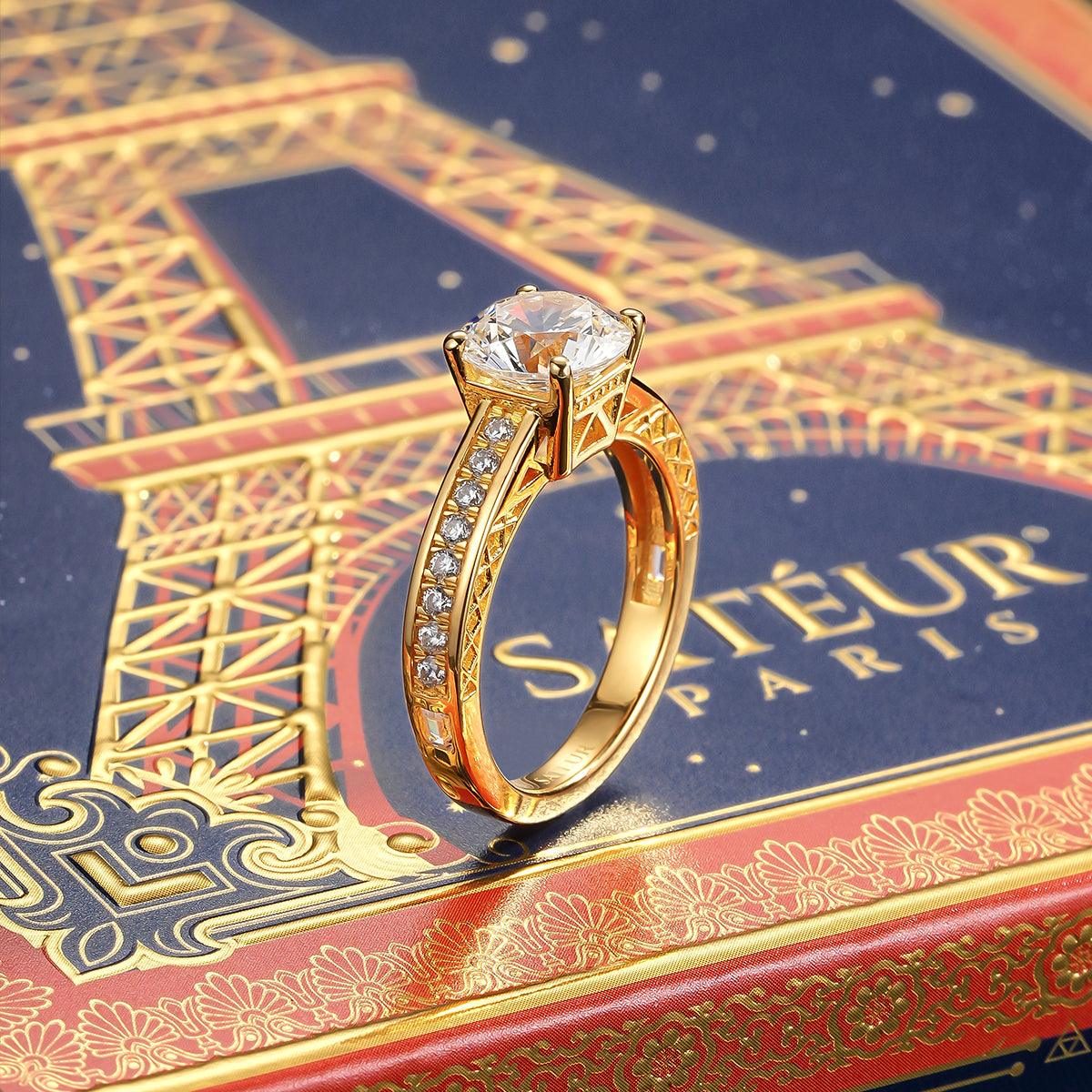
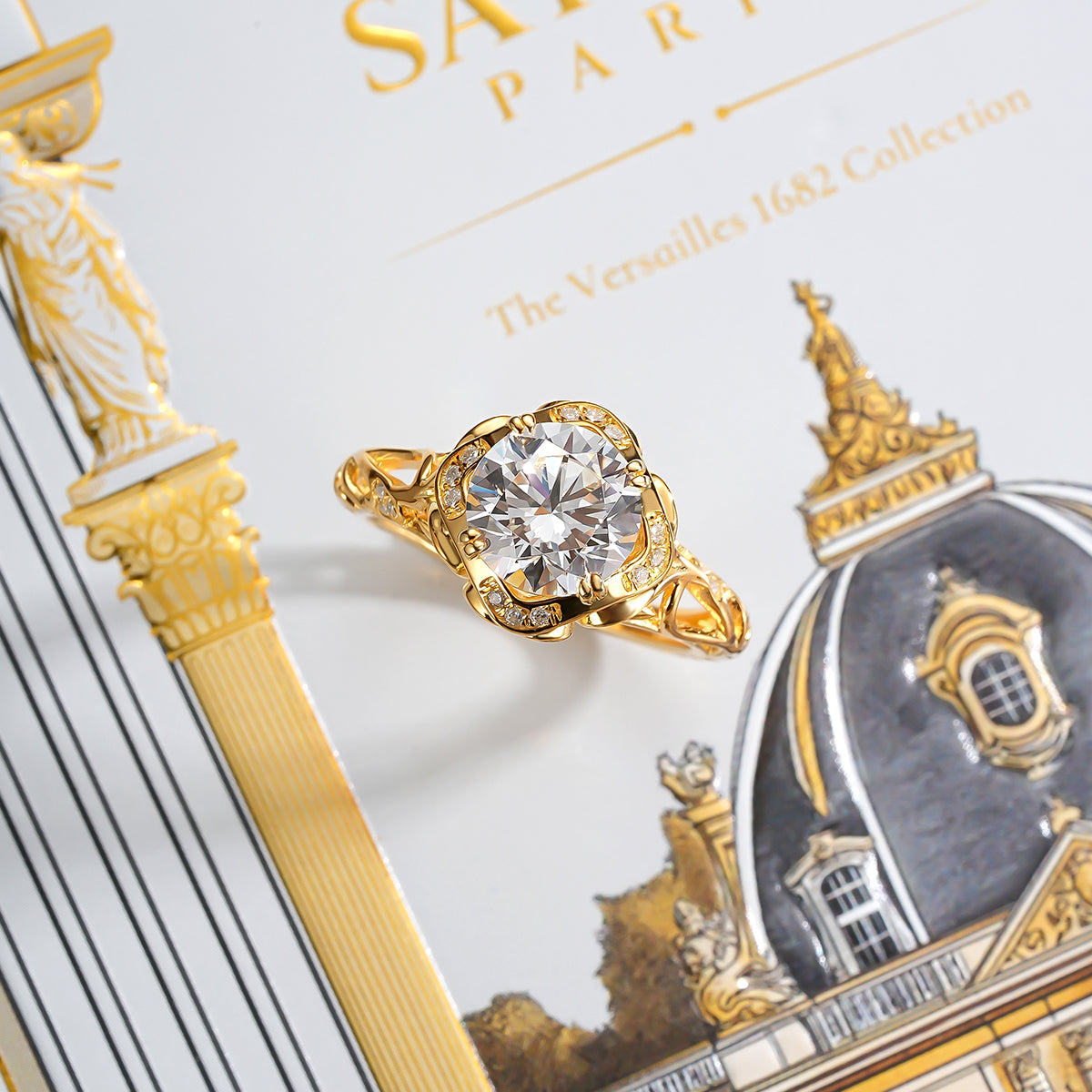
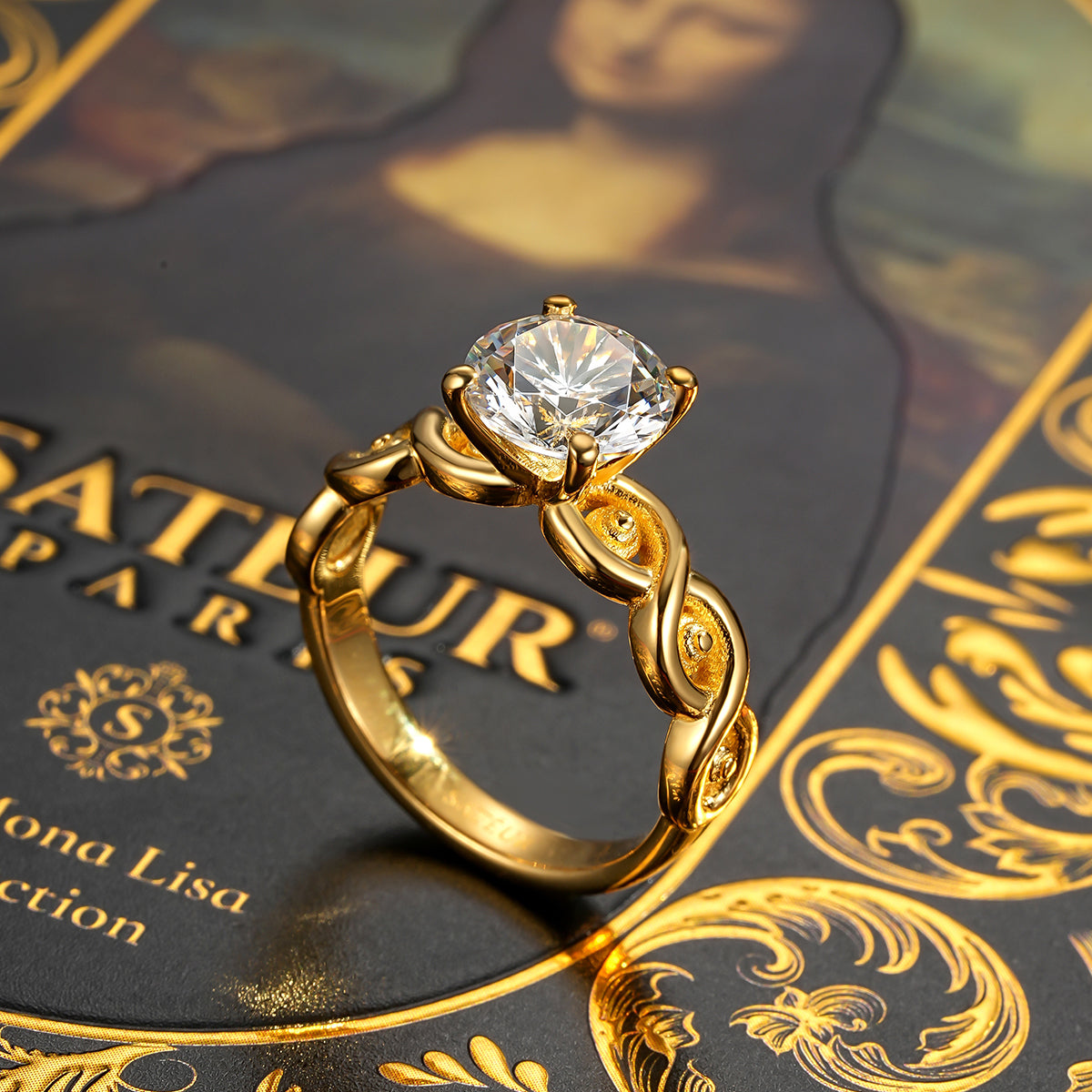
- Satéur's lab grown diamond rings are IGI-certified, set in solid 18K gold, starting at approximately $88.
| Property | Lab Grown Diamond | Cubic Zirconia |
|---|---|---|
| Chemical composition | Pure carbon (C), cubic crystal structure | Zirconium dioxide (ZrO₂) — not a form of carbon |
| Hardness (Mohs) | 10 | ~8–8.5 |
| Refractive index | 2.42 | ~2.15–2.18 |
| Certification | IGI or GIA grading report (4Cs) | None |
| Durability over time | Maintains clarity and polish indefinitely | Clouds, scratches, and dulls over years |
| Price range | 50–80% less than mined diamonds | Typically under $50 per stone |
| Typical use | Engagement rings, fine jewellery, heirloom pieces | Fashion jewellery, costume pieces, occasional wear |

Lab Grown Diamond vs Cubic Zirconia: The Core Difference
The distinction begins at the atomic level. A lab grown diamond is carbon — the same carbon, arranged in the same cubic crystal lattice, as a diamond pulled from the earth. The growing method differs (high pressure high temperature, or chemical vapour deposition), but the result is chemically and physically identical to a mined stone. When a gemological instrument measures one, it reads: diamond.
Cubic zirconia is zirconium dioxide — a compound synthesised specifically to simulate diamond's appearance. It is not carbon. It does not share diamond's crystal structure. It is a simulant: a material engineered to look like a diamond without being one. That distinction matters at every layer of the comparison — hardness, optics, certification, and longevity.
The two are not competing quality tiers of the same material. They are different materials that occupy a similar visual space. Understanding that gap is the foundation of every decision that follows.
Hardness and Durability: How Each Stone Holds Up Over Time
The Mohs scale measures a mineral's resistance to surface scratching. Lab grown diamonds score 10 — the maximum. This is identical to mined diamonds, and it means that in everyday wear, a lab grown diamond resists scratching from virtually every substance it encounters. Dust, grit, household surfaces, metal — none of them mark it.
Cubic zirconia scores approximately 8 to 8.5 on the Mohs scale. That sounds close. The practical difference is significant. At 8.5, CZ can be scratched by quartz dust (Mohs 7), which is present in ordinary airborne particulate. Over months and years, those micro-abrasions accumulate on the surface. The gem loses its polish. It begins to look cloudy, matte, dimmed — not from age, but from accumulated surface damage that is not reversible without professional repolishing, which is rarely economical on a low-cost simulant.
CZ also tends to cloud from within over extended exposure to moisture, skin oils, and soap. This is separate from surface scratching — a chemical and structural degradation that occurs over time at the microscopic level. The cumulative effect is a gem that looks measurably different at year two or three than it did when it was set.
Lab grown diamonds do not do this. Their hardness and chemical stability mean they look the same at ten years as they did when they were first worn. For a ring worn daily — particularly one that carries emotional weight — this difference is not a fine print detail. It is the article's central fact.
Brilliance, Fire, and Optical Performance
Both gems refract light. The way they do it differs.
A lab grown diamond has a refractive index of 2.42 — identical to a mined diamond. Light entering the gem bends sharply, bounces between the facets, and exits as the white scintillation diamond is known for. The fire (coloured light dispersion) and brilliance (white light return) are the same as any natural diamond of equivalent cut quality.
Cubic zirconia has a refractive index of approximately 2.15 to 2.18. It disperses light differently — its dispersion value (0.066) is higher than diamond's (0.044), which means it actually shows more rainbow fire than a diamond in certain lighting conditions. To a trained eye, this is one of the visual tells that separates CZ from diamond in person: the colours are slightly too vivid, the fire slightly too intense.
CZ is also significantly denser than diamond. A CZ stone cut to the same dimensions as a 1-carat diamond will weigh approximately 1.7 times as much. In a set ring this is not visible, but it is another point of differentiation when stones are handled side by side.
The optical performance of a lab grown diamond is the optical performance of a diamond. A well-cut lab grown stone in an excellent clarity and colour grade produces exactly the same light behaviour as a well-cut mined stone of the same grade. There is no separation to make.

Price Comparison: Lab Grown Diamond vs CZ
Price is where the two diverge most sharply — and where this comparison becomes genuinely useful for budgeting.
Cubic zirconia is inexpensive to produce at scale. A CZ stone of any size typically retails for under $50. The material cost is negligible; the price of a CZ ring reflects the setting and metal almost entirely, not the gem. This makes CZ a rational choice for fashion pieces, costume jewellery, or items intended for occasional rather than permanent wear.
Lab grown diamonds cost approximately 50 to 80% less than mined diamonds of comparable specifications. A 1-carat mined diamond of VS1 clarity, E colour, Excellent cut might retail for $5,000–$8,000. A lab grown diamond of identical specifications might retail for $1,000–$2,500. The same material, the same certification, the same optical performance. The difference is origin, not quality.
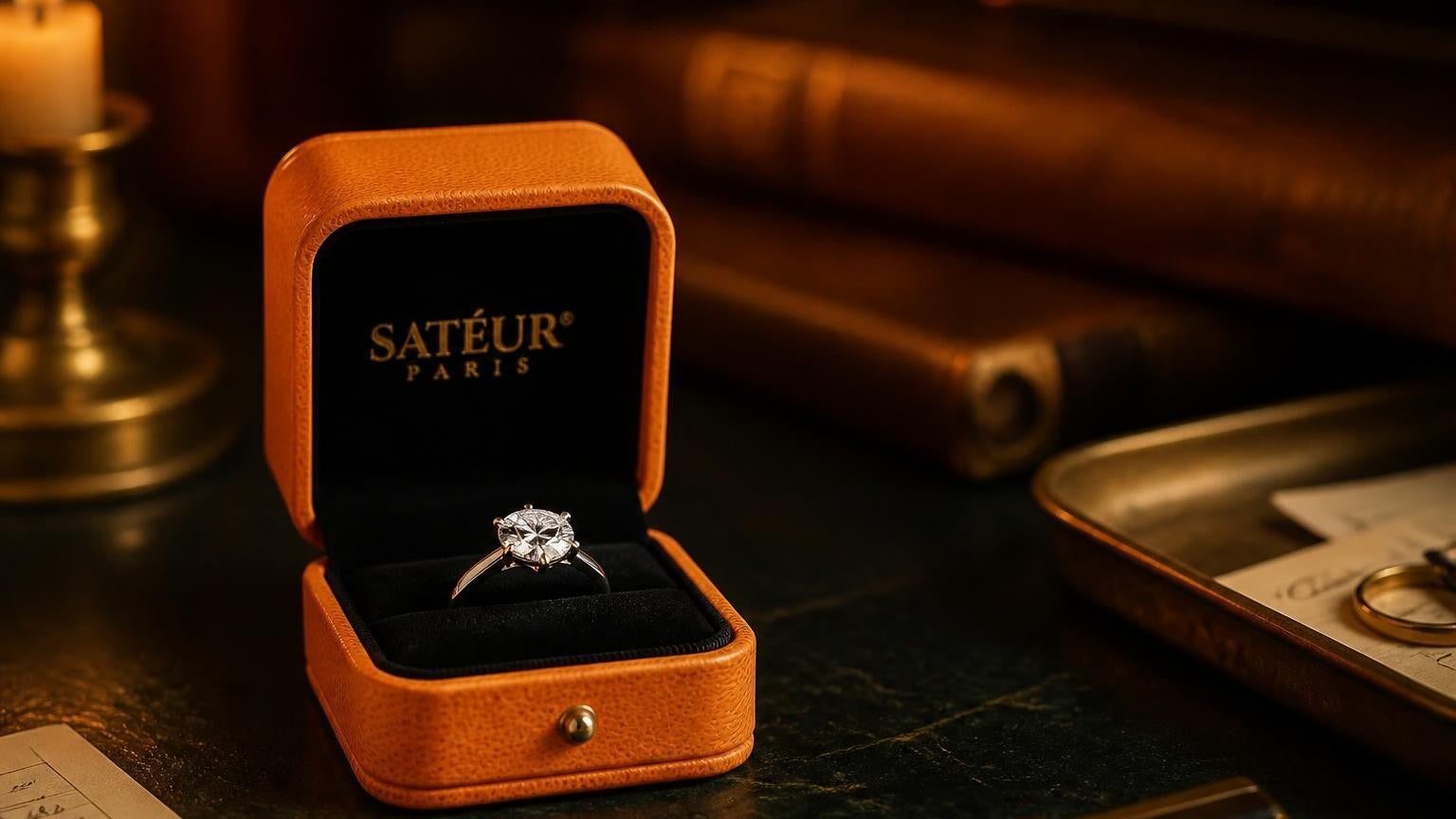
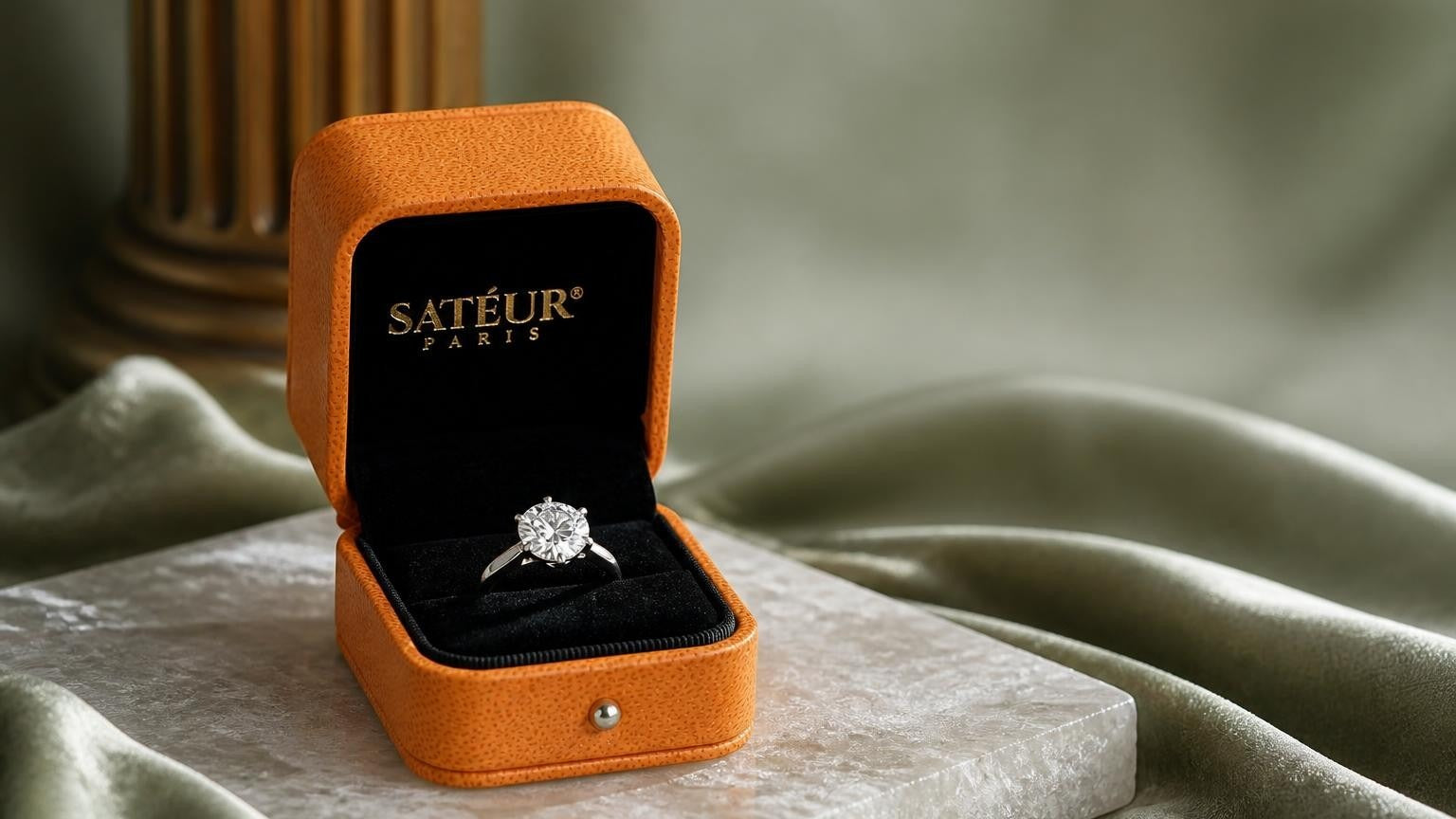
Satéur's lab created diamond rings take this further still. IGI-certified stones set in solid 18K gold, starting at approximately $88 — designed to give the permanence and certification of a real diamond at a price that reframes the category entirely. A comparable mined diamond ring in 18K gold might retail for $8,000–$15,000 or more. The price gap is not a reduction in quality. It is the removal of mining costs, supply chain premiums, and retail margins that have no relationship to the stone itself.
IGI Certification and What It Means
The International Gemological Institute (IGI) is one of the world's foremost independent gem grading laboratories. An IGI-certified diamond comes with a grading report that independently assesses the stone across four dimensions: carat weight, colour grade, clarity grade, and cut grade — the 4Cs.
This certification matters for two reasons. First, it is objective verification of what you are purchasing. The seller's claims are replaced by an independent scientific assessment. Second, IGI certification is transferable: the report accompanies the stone, and any gemological laboratory or jeweller worldwide can verify it.
Cubic zirconia does not receive IGI or GIA certification. There is no grading system for CZ because it is a synthetic compound produced to industrial tolerances, without the natural variation in colour, clarity, and cut that makes diamond grading meaningful. When you purchase a CZ ring, you have only the retailer's word on quality — no independent document confirms what you hold.
Satéur's lab grown diamonds carry IGI certification on every stone. The grading report is part of what you receive. It is the difference between being told a gem is of high quality and having that quality independently verified and documented.
Which Is Right for an Engagement Ring?
The question becomes clear when the priorities are stated honestly.

An engagement ring is worn every day. It passes through cooking, travel, sleep, sport, and water. It is expected to look the same in twenty years as it does the day it arrives. A gem that scratches, clouds, and dulls under those conditions is not a suitable choice for that purpose — not because of status, but because of simple physical performance over time.
Cubic zirconia can serve a purpose. For a fashion ring, a placeholder stone, a piece intended for occasional wear, CZ is functional. For a permanent piece — one with emotional weight, one that represents a commitment — the durability gap is decisive. A CZ ring will look noticeably worse within two to three years of daily wear.
Lab grown diamonds are the same material as the diamond engagement rings that have been worn for over a century. Mohs 10. IGI-certified. Permanent. The only meaningful difference between a lab grown diamond and a mined diamond is how it was created — and for the wearer, that difference is invisible.
If budget is the primary concern, the choice is not between lab grown and CZ. It is between a smaller lab grown diamond and a larger one — because at Satéur's pricing, a certified lab grown diamond in solid 18K gold is accessible at a price point most people associate with costume jewellery.
For those considering a larger centrepiece, Satéur's 3 carat lab grown diamond ring offers the presence and weight of a statement fine jewellery piece at a fraction of what mined equivalents command. The full lab grown diamond collection spans from entry pieces through significant gems — all IGI-certified, all in solid 18K gold.
Satéur's Lab Diamond Collection
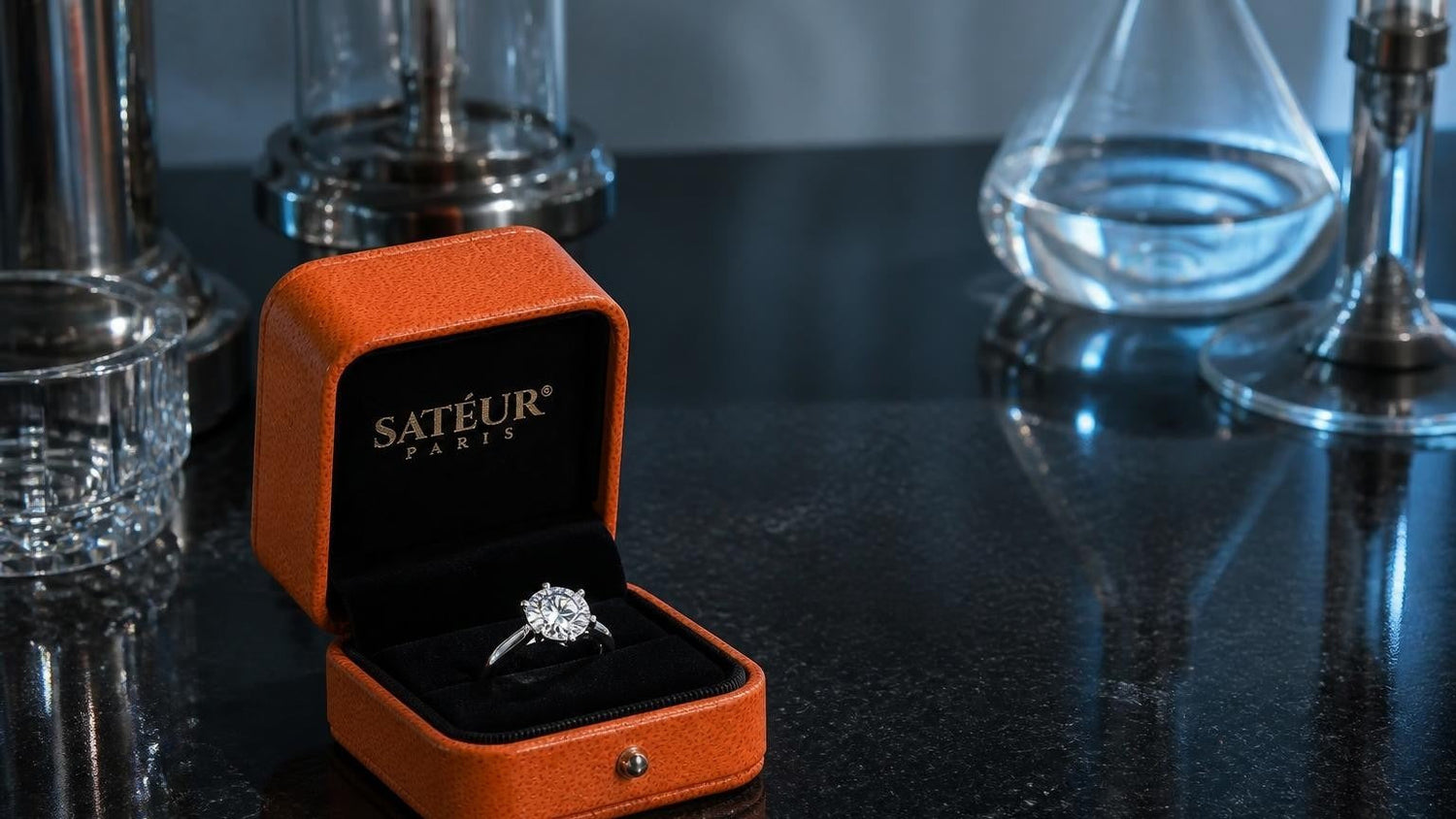
Satéur's lab diamond line is built on a single premise: a real diamond ring should not require a mined diamond budget. Every piece is set in solid 18K gold. Every stone carries IGI certification. The collection begins at approximately $88 and extends through statement pieces designed to last a lifetime of daily wear.
The comparison to a mined diamond ring is not rhetorical. At roughly 1% of what a jeweller would charge for a mined stone of equivalent grade, you receive a ring that is — by every independent measure — a diamond ring. Not a simulation. Not a temporary piece. A certified, graded, permanent item of fine jewellery in solid 18K gold.

Satéur Destinée Diamond Ring
A real, IGI-certified lab-grown diamond, hand-set in solid 18K gold — a fraction of the mined-diamond price.
Compare to a $10,000 mined diamond
Joined by 100,000+ couples across 150+ countries.
Shop the Destinée Diamond RingFree worldwide shipping · 30-day returns · Lifetime Satéur Care
Frequently Asked Questions
Is a lab grown diamond better than cubic zirconia?
For durability, certification, and long-term wear, yes. Lab grown diamonds score Mohs 10 and are chemically identical to mined diamonds. They carry independent IGI grading reports and maintain their polish indefinitely. Cubic zirconia scores approximately 8–8.5 on the Mohs scale, scratches and clouds over years of wear, and carries no independent certification. For a fashion piece worn occasionally, CZ serves its purpose. For a ring intended to last, the difference between the two is material in every sense.
Can you tell a lab grown diamond from a cubic zirconia with the naked eye?
In most settings and under typical lighting, the differences are subtle. A CZ's fire — its coloured light dispersion — is slightly more vivid than a diamond's, which can be a visual tell under direct bright light. The more reliable distinction comes with time: CZ surfaces accumulate scratches and clouding that a lab grown diamond will not develop. In a new ring, at normal viewing distances, both read as clear, bright gems. At year three of daily wear, the lab grown diamond will look the same. The CZ will not.
Does cubic zirconia last as long as a lab grown diamond?
No. CZ's Mohs hardness of approximately 8–8.5 means it accumulates surface scratches from everyday abrasives — including fine dust particles in the air — that a lab grown diamond (Mohs 10) resists entirely. CZ also tends to cloud and dull internally over extended exposure to moisture and oils. A lab grown diamond maintains its original appearance indefinitely under normal wear conditions. A CZ ring worn daily will typically look noticeably degraded within two to three years.
What is the price difference between a lab grown diamond and CZ?
Cubic zirconia typically retails for under $50 per stone regardless of size, because it is inexpensive to synthesise in volume. Lab grown diamonds cost approximately 50–80% less than mined diamonds of comparable specifications, but remain significantly more expensive than CZ — because they are real diamonds, with the certification, durability, and optical performance that entails. Satéur's lab grown diamond rings start at approximately $88 in solid 18K gold, narrowing the price gap to a degree that makes the comparison more straightforward than it has ever been.
Are lab grown diamonds real diamonds?
Yes. A lab grown diamond is chemically and structurally identical to a mined diamond — pure carbon in a cubic crystal lattice, grown under controlled conditions that replicate the temperature and pressure of geological formation. IGI and GIA certify lab grown diamonds using the same 4C grading system applied to mined stones. The Federal Trade Commission defines a diamond as diamond regardless of whether it was grown in a laboratory or extracted from the earth. The origin differs. The material does not.
Does cubic zirconia get IGI certification?
No. IGI and GIA certification applies to diamonds and select natural gemstones — materials with meaningful natural variation in colour, clarity, and cut that benefit from independent grading. Cubic zirconia is a synthetic compound manufactured to consistent industrial specifications. No major gemological laboratory issues grading reports for CZ. When you purchase an IGI-certified lab grown diamond, you receive an independent document verifying the stone's exact carat, colour, clarity, and cut. No equivalent exists for cubic zirconia.
A diamond is a diamond, regardless of how it was grown. The hardness, the certification, the light it holds — these belong to the material, not the mine. Browse Satéur's full range of lab created diamond rings and find what has always been within reach.

















Laissez un commentaire
Ce site est protégé par hCaptcha, et la Politique de confidentialité et les Conditions de service de hCaptcha s’appliquent.