



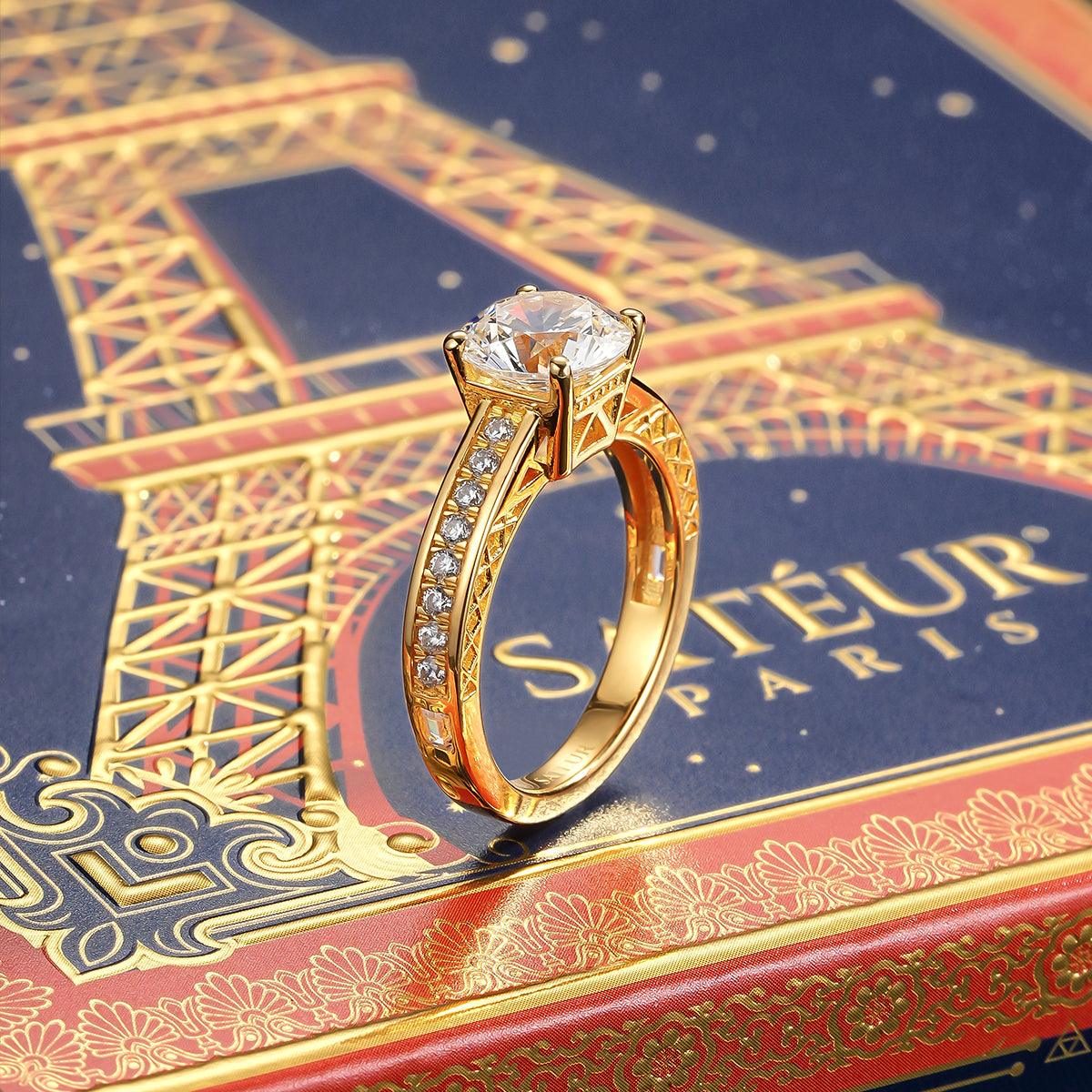
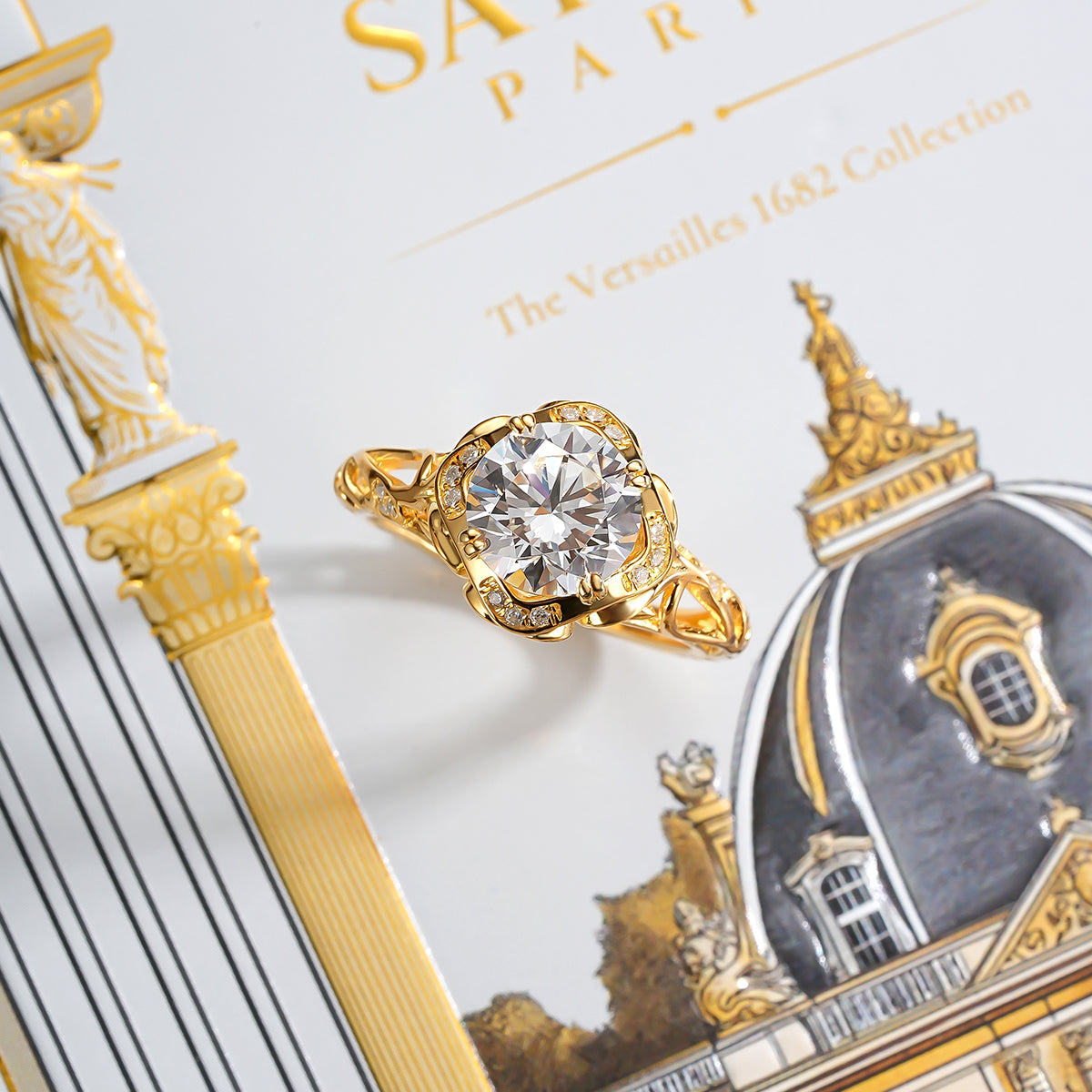
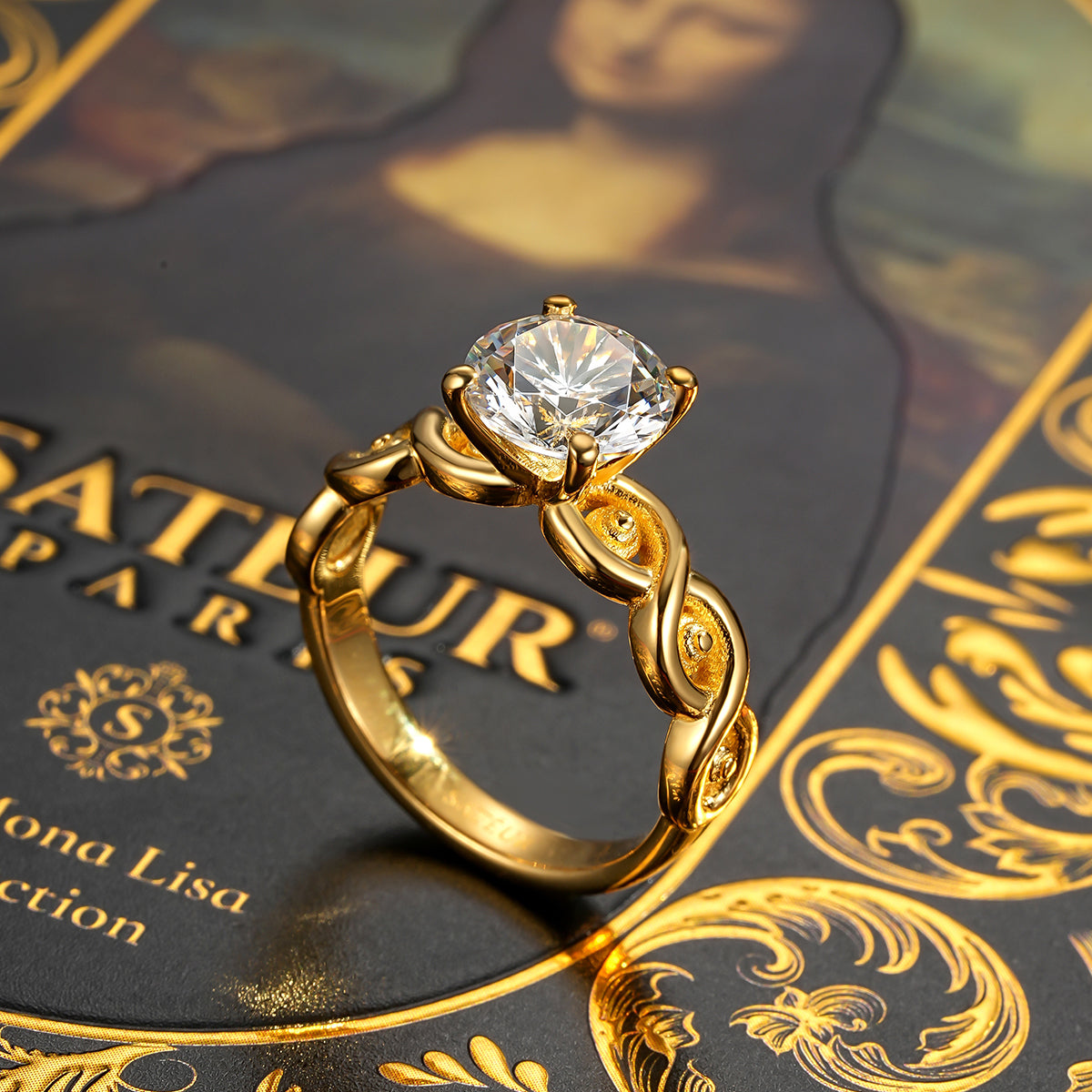

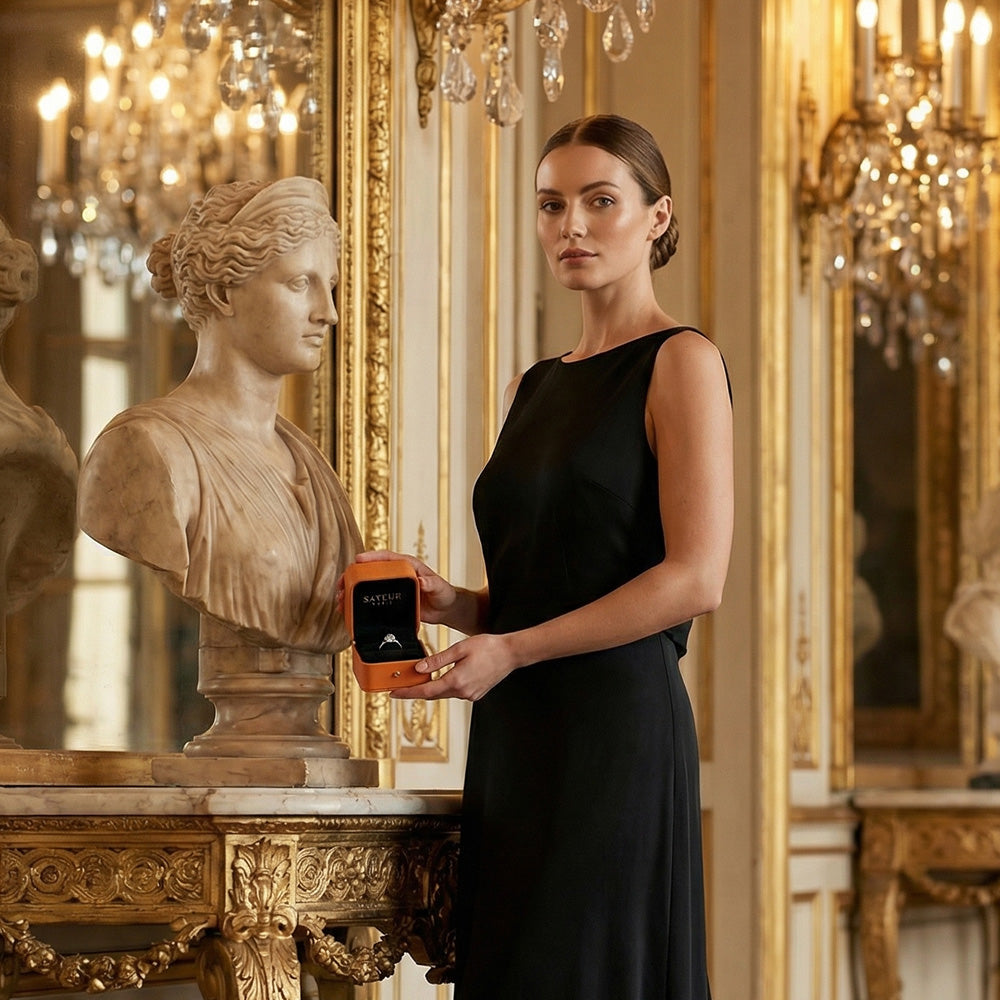

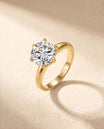
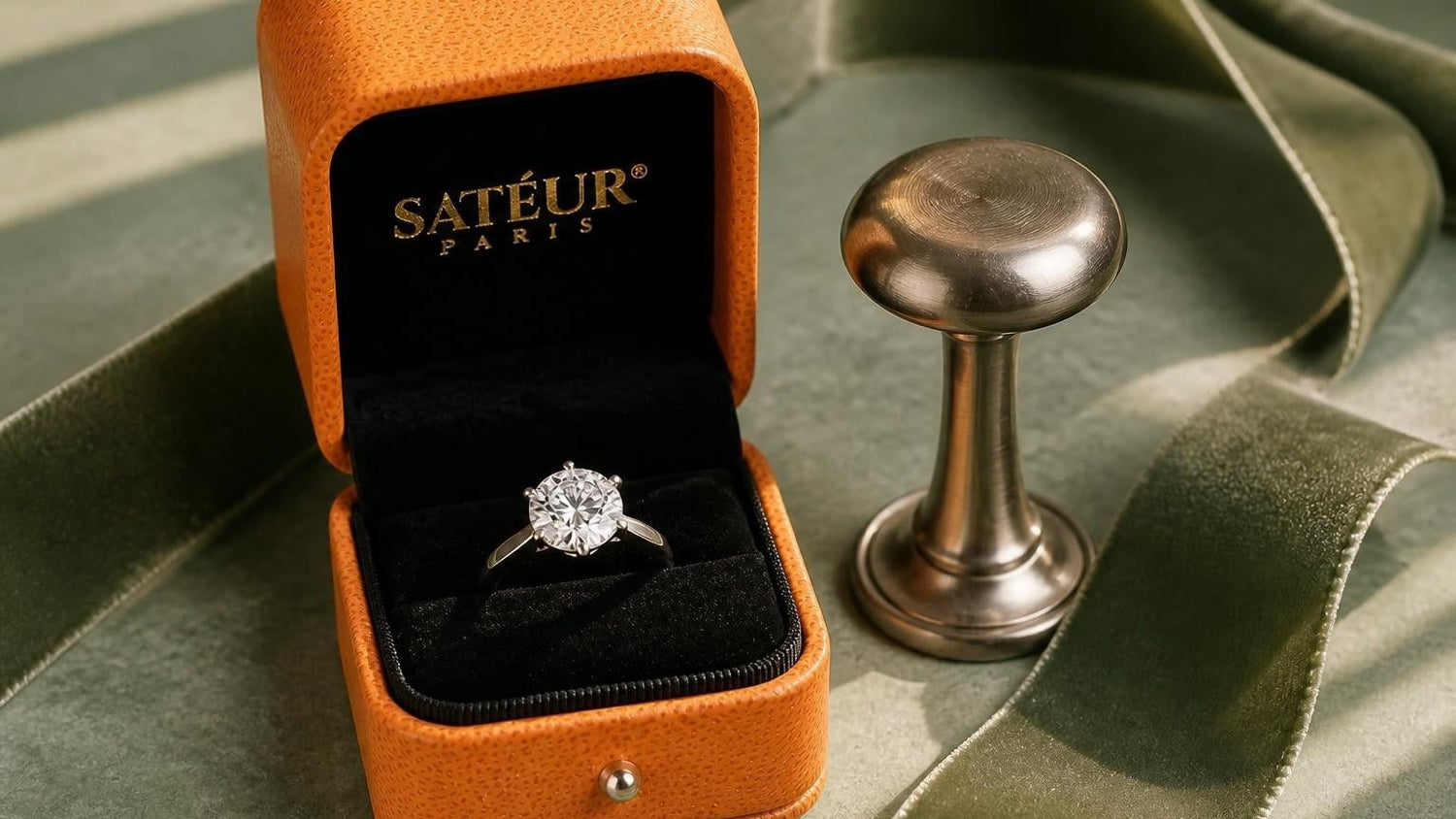
Infinity engagement rings feature a continuous band of diamonds or gemstones that loops without interruption — a physical expression of love with no beginning and no end. Available in white gold, yellow gold, rose gold, and platinum, they pair naturally with matching wedding bands and remain one of the most requested ring silhouettes for modern proposals.

Key Takeaways
- Infinity rings feature a continuous diamond or gemstone setting that symbolises eternal commitment.
- The design is available in white gold, yellow gold, rose gold, and platinum.
- Moissanite and high-quality diamond simulants are popular alternatives for infinity settings, offering comparable brilliance at a fraction of the cost.
- Infinity rings pair naturally as an engagement ring and matching wedding band combination.
- Satéur Gems® — D-E colour, Excellent cut — deliver the clean white brilliance of a flawless diamond in an infinity setting, from $138.
What Are Infinity Engagement Rings?
An infinity engagement ring is defined by a continuous band of diamonds or gemstones set all the way around the shank with no gap or interruption. The design references the mathematical infinity symbol — a sideways figure-eight — though most contemporary versions simply emphasise the unbroken circle. Unlike an eternity band (typically a wedding ring addition), an infinity engagement ring is worn as the primary proposal piece, often with a featured stone at the front and the continuous pavé circuit extending around.
Symbolism and Meaning
A ring is already a closed loop; an unbroken stone setting doubles that statement — love without a defined beginning or end. Many couples choose an infinity design because it carries clear personal meaning without requiring engraving or a bespoke commission. The continuous circuit of light around the band also means the ring is never at rest: there is always brilliance visible regardless of how the hand moves.
Infinity Ring Styles and Designs
The category covers several distinct silhouettes:
- Full pavé infinity band — small stones set flush across the entire band, creating continuous light. Low-profile, comfortable for daily wear.
- Channel-set infinity band — stones seated inside a protected metal channel. Suited to active lifestyles.
- Split-shank infinity ring — the band divides to frame a centre stone then rejoins at the back, combining solitaire drama with the unbroken-band symbolism.
- Twisted infinity band — the shank forms a visible crossover or figure-eight, making the infinity reference explicit.
- Infinity halo design — a centre stone surrounded by a halo of smaller stones on a continuous pavé shank. Highest visual impact in the category.
Metal choice shapes the mood: white gold and platinum enhance crisp brilliance; yellow gold suits vintage-adjacent designs; rose gold pairs well with warmer-toned stones. The best hand shape for engagement rings guide covers how band width and silhouette interact with different finger proportions.

Choosing Your Stone
Infinity bands require a stone that performs across a full circuit. The consistency of light return around the entire band matters more here than in a solitaire setting.
| Stone | Mohs hardness | Light character | Disclosure |
|---|---|---|---|
| Mined diamond | 10 | Crisp white brilliance | Natural gemstone |
| Moissanite | ~9.25 | Vivid rainbow fire (~2.4× the dispersion of diamond) | Lab-created gemstone |
| Lab-grown diamond | 10 | Identical to mined diamond | IGI-certified lab-grown diamond |
| Satéur Gems® | ~8.8 | Clean white brilliance of a flawless diamond | Trademarked diamond simulant; D-E colour, Excellent cut |
Moissanite (RI 2.65–2.69) delivers vivid rainbow fire across a full pavé circuit. Satéur Gems® target the opposite register: the clean white look of a D-E colour diamond. Both suit infinity settings; the choice is purely about which optical character the wearer prefers. See also oval moissanite engagement rings for an elongated-stone infinity variant.

Satéur Gems® — The Clarity and Sparkle of Infinity, at ~1% of Mined Diamond Price
A mined-diamond infinity band typically retails from $3,000 to $10,000. Satéur Gems® — D-E colour, Excellent cut — sit in the Satéur engagement ring collection at roughly 1% of that price. The trademarked simulant delivers the clean white brilliance of a flawless diamond; for an infinity design, where the stone circuit is admired as a continuous whole, that visual performance is the relevant metric.
Each ring is set in an 18k gold finish on a 925 sterling silver base. For buyers weighing sizing flexibility alongside stone choice, the adjustable engagement rings guide covers the options.

FAQ: Infinity Engagement Rings and Bands
What does an infinity engagement ring symbolise?
An infinity engagement ring symbolises love that is unending and without boundaries. The continuous band of stones forms an unbroken circuit, reinforcing the idea of a commitment that has no defined start or finish. The design is one of the more direct visual metaphors available in engagement jewellery without requiring bespoke engraving.
What stones work best in infinity ring designs?
Round brilliant cuts are the traditional choice because they maximise light return across a full pavé circuit. Cushion and oval cuts also translate well. For the stone type: moissanite (Mohs ~9.25, vivid rainbow fire) suits buyers who want expressive colour play; Satéur Gems® (D-E colour, Excellent cut, Mohs ~8.8) suit those who prefer the clean white look of a flawless diamond; lab-grown diamonds replicate mined diamond exactly for buyers requiring that specific pedigree.
Can I pair an infinity engagement ring with a matching wedding band?
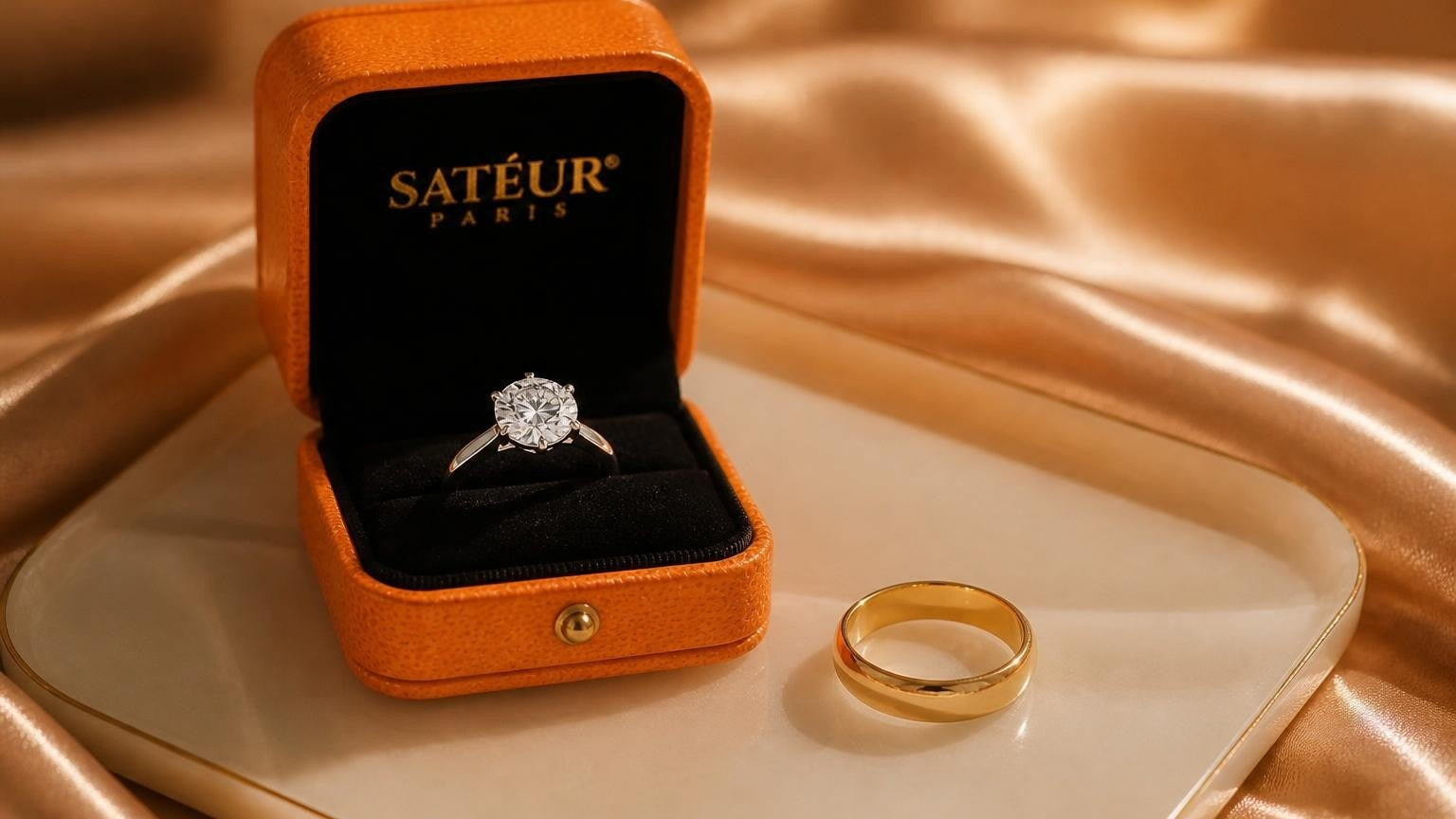
Yes — most brands offer a complementary curved wedding band that sits flush against the engagement ring's silhouette. A matching eternity band in the same metal and stone type is also a common combination, repeating the stone circuit at reduced scale for a cohesive stack.
What metal is best for an infinity engagement ring?
White gold (10k, 14k, or 18k) and platinum are the most popular choices because they do not introduce a competing warmth tone, allowing the stone brilliance to read clearly. Yellow gold suits vintage or warmer aesthetics; rose gold pairs particularly well with morganite or champagne-toned stones. Platinum is the most durable but also the most expensive; 18k gold finish on a sterling silver base is the most accessible option with the same visual result.
How do infinity rings differ from eternity rings?
Both feature stones set continuously around the band, but an eternity ring is typically worn as a wedding or anniversary band alongside an existing engagement ring. An infinity engagement ring is designed to be worn as the primary proposal piece — often featuring a more prominent centre stone or cluster set on a continuous pavé shank, with a profile intended for a standalone ring rather than a stacking addition. The distinction is one of intent and proportion rather than construction.
What is the price range for infinity engagement rings?
Mined diamond infinity bands with significant total stone weight typically start at $3,000 and scale well beyond $10,000. Lab-grown diamond versions offer the same optical performance from around $800 to $3,000. Moissanite infinity rings range from $400 to $1,500 depending on carat weight and setting complexity. Satéur Gems® infinity designs are available from $138 — approximately 1% of the mined diamond equivalent — with the same D-E colour and Excellent cut specification.

Satéur Destinée Ring™
The look of a flawless diamond — from $138.
D-E colour · Excellent cut · 18k gold finish
Free worldwide delivery. 30-day returns. Lifetime Satéur Care.
Shop the Destinée RingFree worldwide shipping · 30-day returns · Lifetime Satéur Care

















Leave a comment
This site is protected by hCaptcha and the hCaptcha Privacy Policy and Terms of Service apply.