



A mined diamond's price is determined by four measurable qualities — carat weight, cut, colour, and clarity — and varies enormously as a result. A 1-carat round brilliant ranges from roughly $4,500 to $12,000+ depending on where those four grades land.
Diamond prices are not fixed. They are the product of a grading system you can learn to read, and that knowledge gives you genuine negotiating power — whether you are buying a mined diamond, a lab-grown diamond, or a high-quality simulant.

Key Takeaways
- Diamond prices are primarily determined by the four Cs: carat weight, cut quality, colour grade, and clarity.
- A 1-carat mined diamond typically ranges from $2,000 to $15,000+ depending on colour, clarity, and cut.
- Cut quality significantly impacts price: an Excellent or Super Ideal cut commands a 10–15% premium over a poor-cut stone with identical carat weight and grades.
- Lab-grown diamonds are typically 80–85% more affordable than equivalent mined diamonds.
- Diamond simulants with D–E colour grade and Excellent cut deliver the visual look of premium diamonds at approximately 1% of mined diamond cost.
Understanding Diamond Pricing
How Diamond Prices Are Set
Diamond pricing is not arbitrary. Every stone sold by a reputable retailer has been graded — usually by GIA or IGI — against the four Cs framework, and the resulting combination of grades places it on a price matrix. Two stones of identical carat weight can differ by a factor of five in price because one is D Flawless and the other is J SI2.
Understanding this system is the first step to buying well. Retailers mark up from a wholesale Rapaport reference price; knowing the grade combination you want lets you compare meaningfully across jewellers.
Mined vs Lab-Grown Diamond Prices
There is also a structural cost layer above the gem itself: mining, cutting, certification, and retail margin all compound onto the raw stone price. Lab-grown diamonds carry the same grading but strip out the mining cost, which is why they trade at 80–85% less than mined equivalents of the same grade.
What Determines the Cost of a Diamond
The four Cs are the universal grading language and the primary cost drivers. Grading laboratories GIA and IGI assess every stone against the same four criteria, producing a certificate that anchors the retail price.
Carat Weight
Carat is weight, not visual size — one carat equals 0.2 grams. Price per carat rises non-linearly at the demand thresholds of 0.5ct, 1ct, and 2ct. Choosing 0.90ct instead of 1.00ct saves 15–25% for a visually identical stone.
Cut Grade
Cut is the only C entirely within human control and has the greatest influence on how beautiful a stone looks in person. An Excellent or Ideal cut maximises light return and fire. A poorly cut 1-carat will look smaller and duller than a well-cut 0.85-carat. Cut quality commands a 10–15% premium and is worth prioritising above all other grades.
Colour Grade
Colour is graded D (colourless) to Z (warm yellow). D–F grades command the highest premiums. G–H are near-colourless and visually indistinguishable with the naked eye in a white gold or platinum setting, at a meaningfully lower price point.
Clarity Grade
Clarity measures internal inclusions and surface blemishes. FL and IF are the top grades; VS1–VS2 inclusions are not visible to the naked eye and represent strong value. SI1 can also be eye-clean when reviewed individually on the certificate.

Diamond Price by Carat Weight
2026 Diamond Price Table: Mined vs Lab-Grown
The table below shows realistic 2026 retail price ranges for round-brilliant diamonds at each carat weight, separated by mined and lab-grown. Ranges reflect the spread from lower commercial grades (G–H, SI1–VS2, Very Good cut) to premium grades (D–F, VS1–VVS2, Excellent/Ideal cut). Prices are indicative and vary by retailer and certification.
| Carat Weight | Mined Diamond | Lab-Grown Diamond |
|---|---|---|
| 0.50 ct | $1,500 – $5,000 | $250 – $700 |
| 1.00 ct | $4,500 – $12,000 | $800 – $2,500 |
| 1.50 ct | $8,500 – $25,000 | $1,500 – $4,500 |
| 2.00 ct | $15,000 – $40,000 | $2,500 – $7,500 |
| 3.00 ct | $30,000 – $80,000 | $5,500 – $15,000 |
| 5.00 ct | $80,000 – $200,000 | $15,000 – $45,000 |
How to Use the Price Table
Note the non-linear jump at the 1-carat and 2-carat thresholds for mined stones — these are demand-driven premiums. Choosing 0.90ct or 1.90ct delivers a visually equivalent stone at a meaningful discount.
Lab-grown diamond prices have dropped sharply since 2022 as production capacity expanded. The ranges above reflect mid-2026 retailer pricing; costs continue to fall year-on-year. For guidance on how carat weight interacts with ring size and visual presence, see our average engagement ring cost guide.
Diamond Price by Cut Quality
Round Brilliant vs Fancy Shapes
Round brilliants carry a 15–25% price premium over fancy shapes (oval, cushion, pear) at the same carat, colour, and clarity grade. The round cut demands more rough-diamond waste during cutting and commands the highest demand — both factors drive the premium. An Excellent-cut 1-carat round will outperform a Good-cut 1.2-carat in brilliance and fire.

The Cut Premium
An Excellent cut commands roughly a 10–15% premium over a Very Good cut of identical grade. For round brilliants, prioritising Excellent or Very Good cut — and accepting G–H colour or VS2 clarity — generally produces a more beautiful ring at the same budget. The GIA cut scale runs: Excellent → Very Good → Good → Fair → Poor.
Diamond Price by Color and Clarity
Choosing a Colour Grade
Colour and clarity interact with setting metal in ways that affect the practical value of each grade. In a white gold or platinum setting, D–F colourless grades are perceptible and worth the premium if colour purity matters. In a yellow gold setting, the warm metal tone masks up to two colour grades, making G–I grades excellent value. Most knowledgeable buyers settle on G–H colour for maximum performance within budget.
Choosing a Clarity Grade
Inclusions in VS2 and most SI1 stones are not visible to the naked eye. The jump from VS2 to VVS1 is largely a premium for certificate grade rather than visible beauty. Flawless and Internally Flawless stones carry the highest clarity premiums and are largely irrelevant to the wearing experience — worth considering only when buying for investment.

Satéur Gems: The Value Alternative
What Satéur Gems® Are
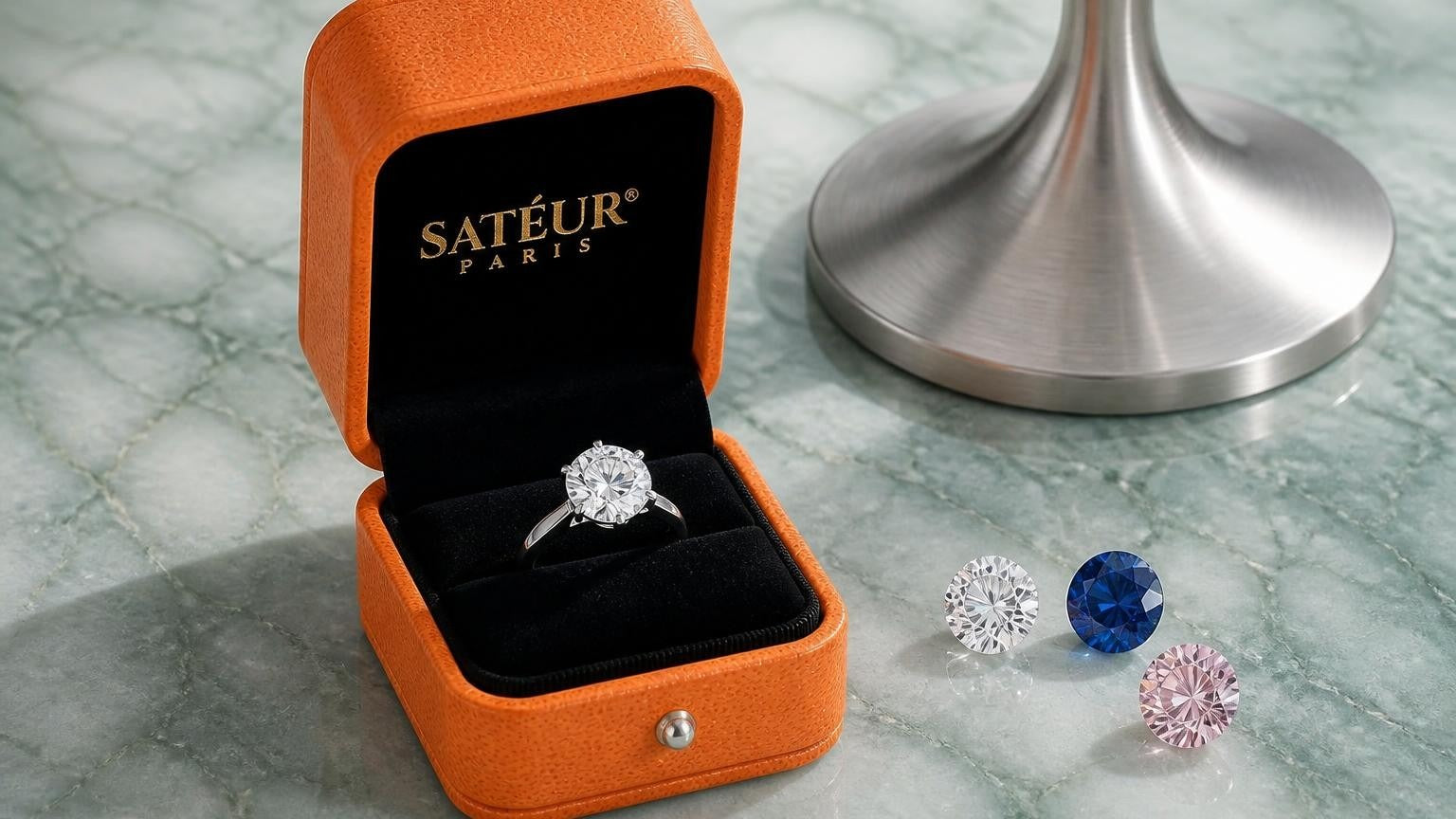
For buyers focused on the visual impact of the gem — the look of a flawless diamond — rather than the geological origin, Satéur Gems® are a trademarked diamond simulant engineered for exactly that purpose. Each gem carries D–E equivalent colour grade, Excellent cut, and approximately 8.8 Mohs hardness.
The result is clean white brilliance that reads as premium diamond to the naked eye. Composition is not disclosed — consistent with how the industry's leading simulant brands operate.
Compare to Mined Diamond Prices
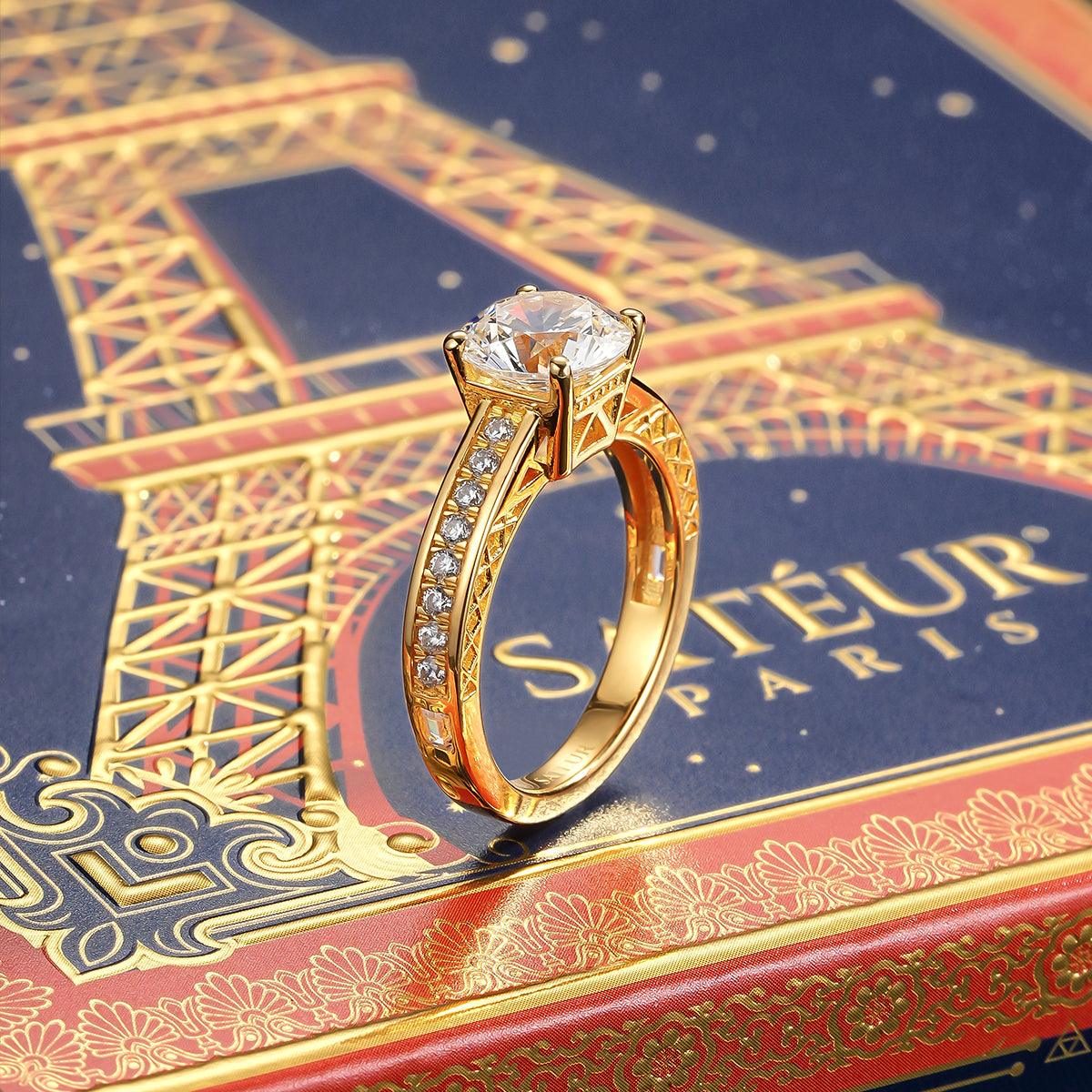
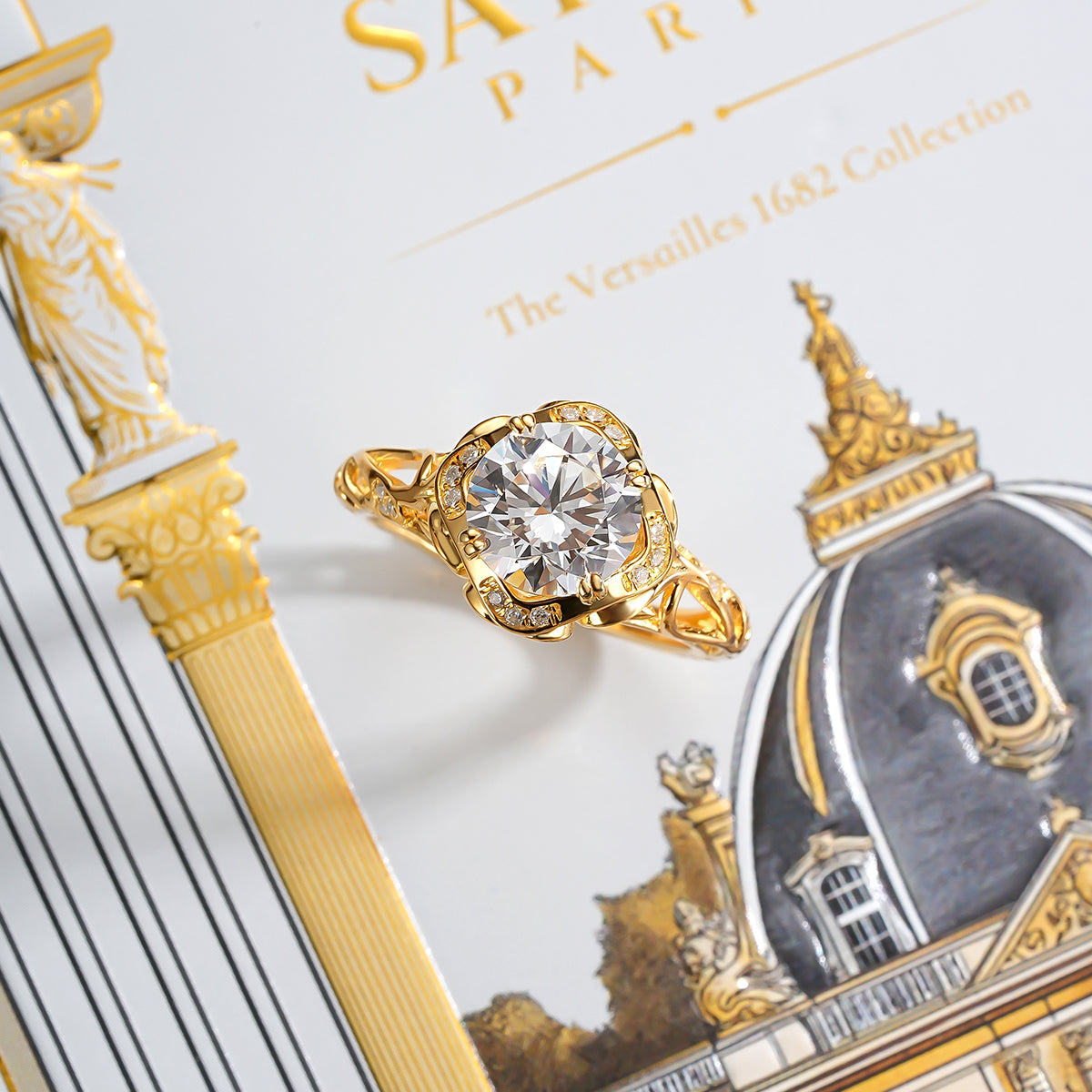
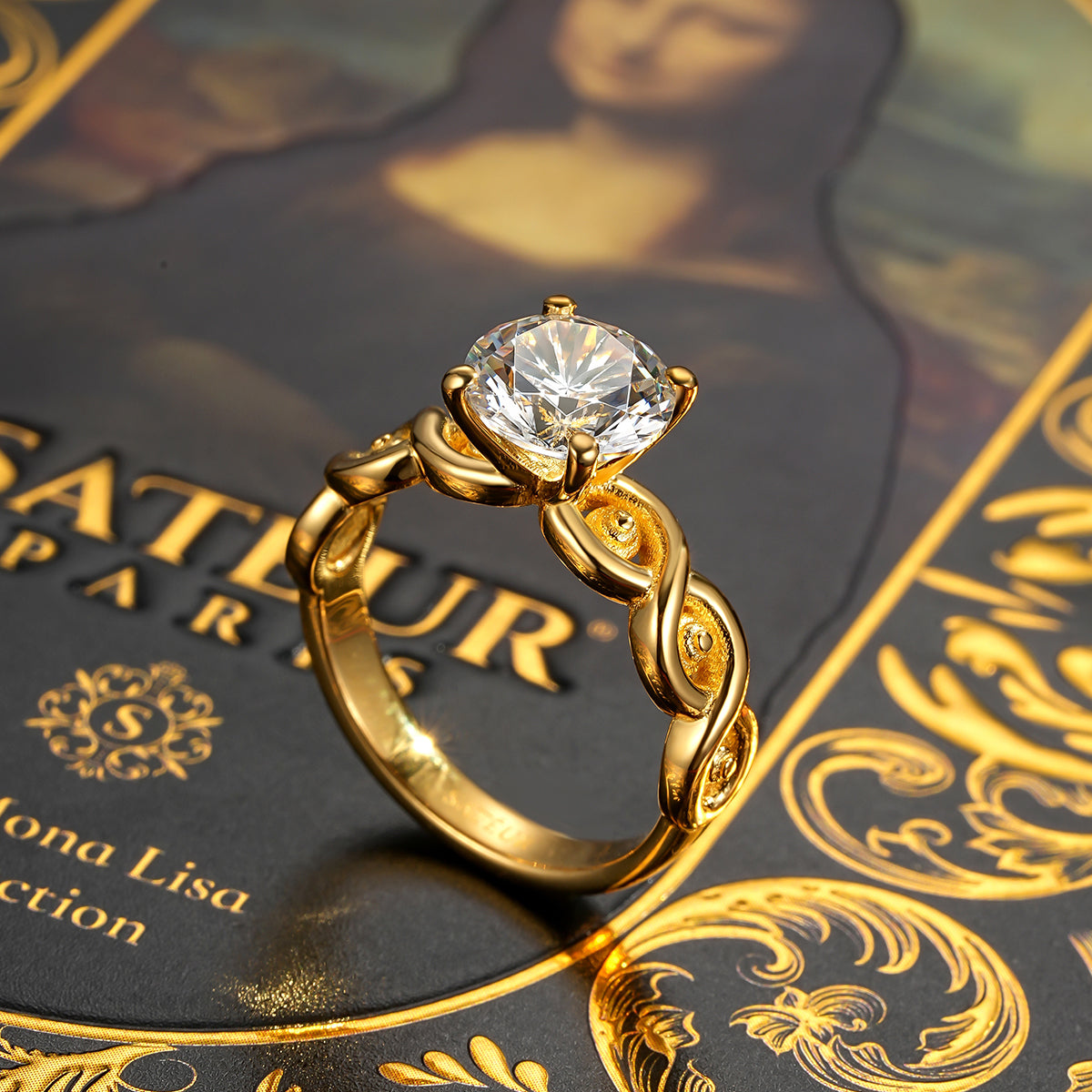
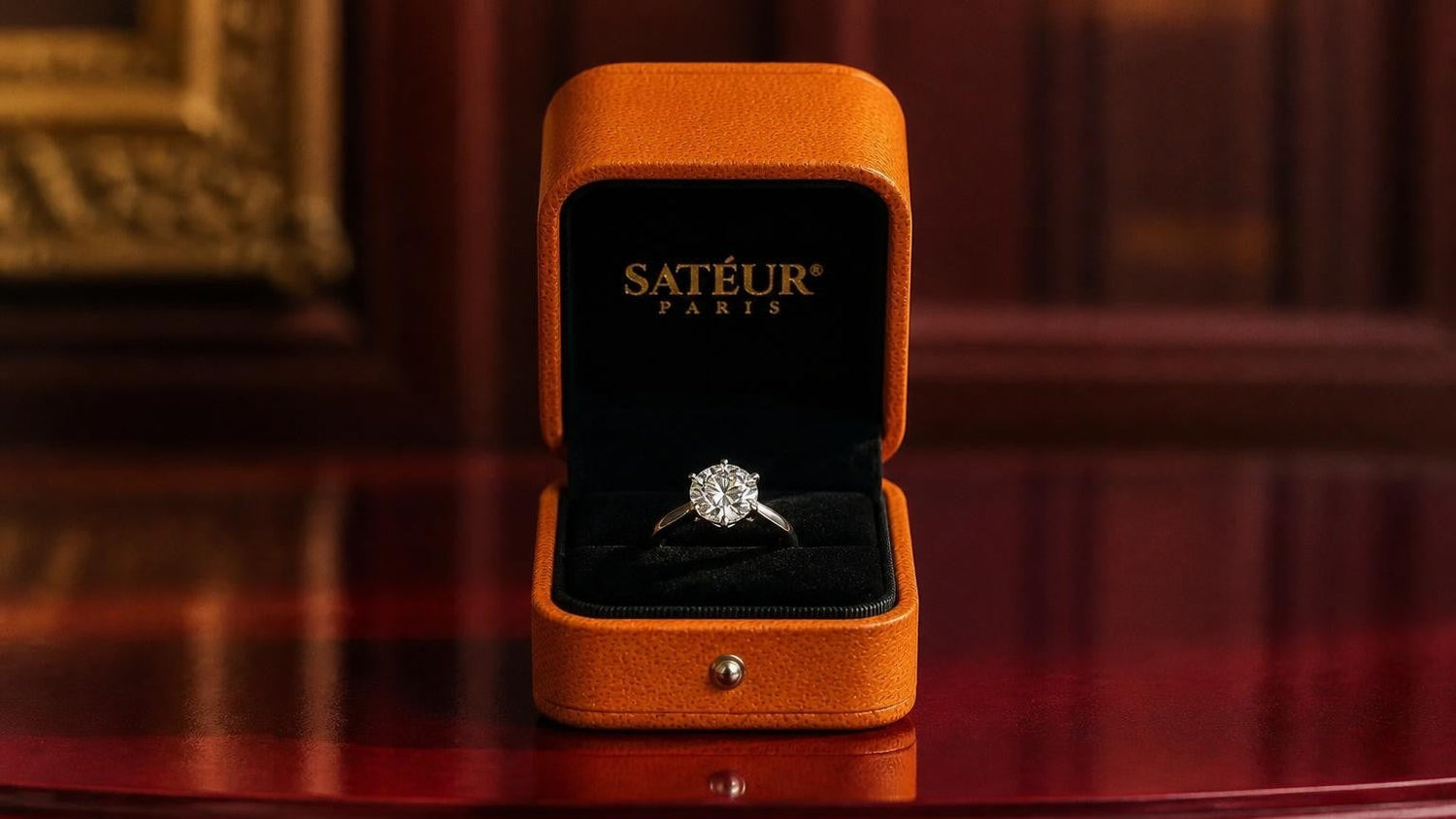
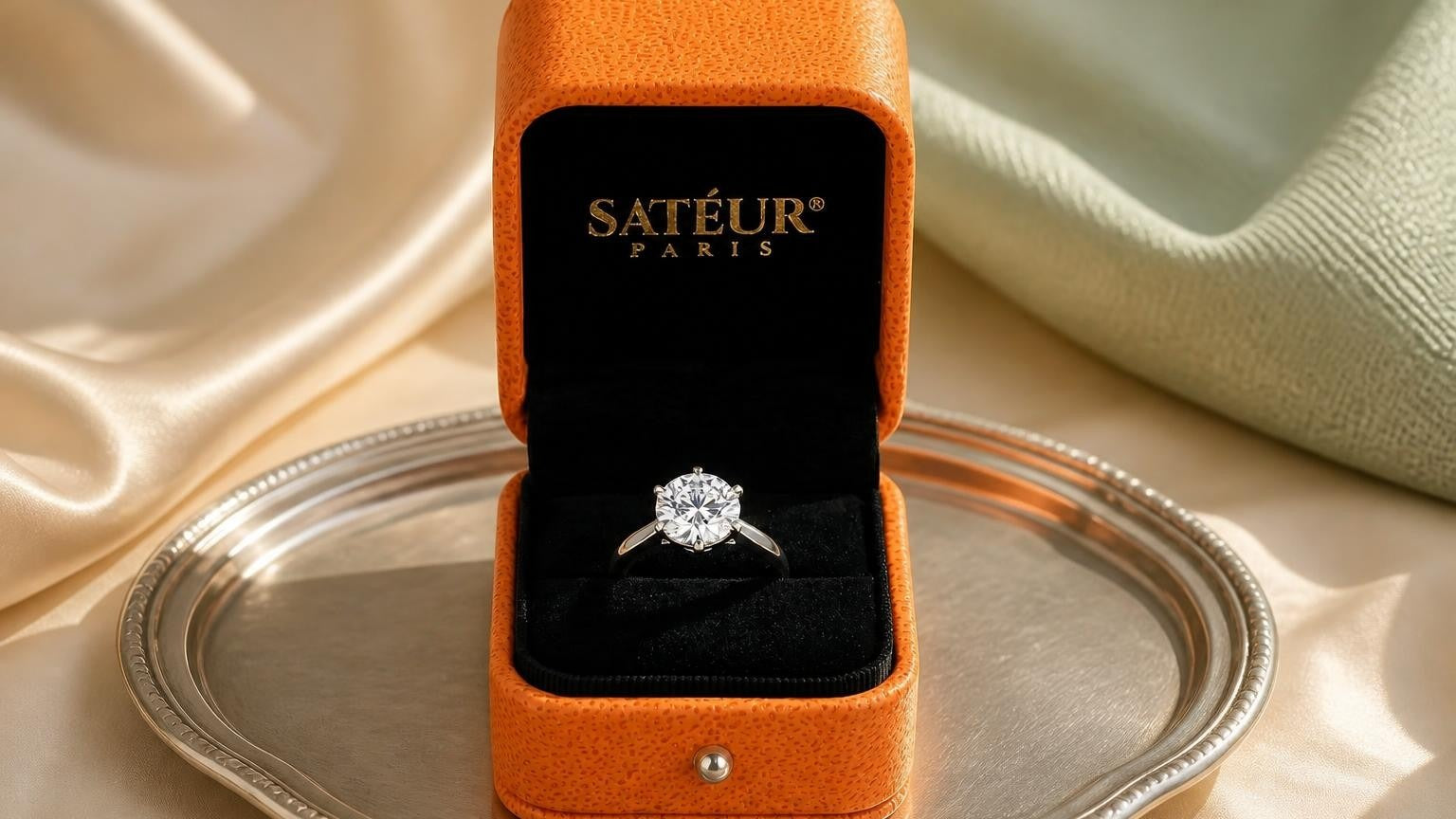
Compare to a mined 1-carat diamond at $6,000–$12,000. The Satéur Destinée Ring™ starts from $138 — under 1% of the mined diamond price for the same visual presence. For those who want a disclosed lab-created gemstone, Satéur Moissanite variants begin from $88, with moissanite's characteristic higher fire.
The Destinée Range
The Destinée is available across carat weights from 1ct to 7ct, covering the full visual range from delicate to statement. Each product page in the engagement ring collection lists carat weight, cut grade, and gem specifications. For full context on how Satéur compares to moissanite and lab diamond pricing, see our engagement ring cost guide and our guide to how much to spend on an engagement ring.

Frequently Asked Questions About Diamond Cost
Pricing Basics
What is the average cost of a 1-carat diamond?
A 1-carat mined diamond in commercial grade (G–H colour, VS2–SI1, Very Good cut) retails for approximately $4,500–$8,000 in 2026. Premium grades (D–F, VVS, Excellent cut) push the range to $12,000–$20,000+. Lab-grown equivalents cost 80–85% less, typically $800–$2,500 for the same grade.
How does diamond colour grade affect price?
Colour grades run D (colourless) to Z (warm yellow). Each step down reduces price by roughly 5–15% at the same carat and clarity. D–F carry the greatest premium; G–H are near-colourless and visually equivalent in most settings. In a yellow gold setting, H–I grades are a practical and cost-effective choice.
Why do cut quality and clarity impact diamond cost?
An Excellent cut maximises fire and brilliance, commanding a 10–15% premium over a Good-cut stone of identical grade. Clarity premiums reflect rarity rather than visible difference above VS2 — inclusions in VS2 and most SI1 stones are not visible to the naked eye.
Buying Strategies
What is the price difference between mined and lab-grown diamonds?
Lab-grown diamonds are graded by the same GIA/IGI standards as mined stones and typically sell for 80–85% less. A mined 1-carat G VS2 Excellent might cost $6,500; a lab-grown equivalent runs approximately $1,000–$1,500. Lab diamonds depreciate faster on resale, but for a ring worn rather than resold, the value is compelling.
How much does carat weight influence the final price of a diamond?
Carat weight has the most dramatic price effect, and the relationship is non-linear. A 2-carat mined diamond costs three to five times a 1-carat because large gem-quality stones are exponentially rarer. Demand premiums of 20–30% apply at the 0.5ct, 1ct, 1.5ct, and 2ct thresholds. Choosing 0.90ct instead of 1.00ct is the single most effective cost-saving move.
What diamond simulants offer the best value without sacrificing appearance?
Diamond simulants with D–E colour grade and Excellent cut deliver the visual look of a premium diamond to the naked eye. Satéur Gems® is a trademarked simulant with approximately 8.8 Mohs hardness and clean white brilliance. The Satéur Destinée Ring™ starts from $138 for a 1-carat gem, against $6,000–$12,000 for a comparable mined diamond.













Leave a comment
This site is protected by hCaptcha and the hCaptcha Privacy Policy and Terms of Service apply.