




Moissanite is not a fake diamond. It is a distinct lab-created gemstone — silicon carbide — with its own identity, its own optical character, and its own set of properties that in several measurable ways surpass diamond. The "fake" framing is a legacy of how it was first marketed; the accurate framing is: a disclosed, standalone gemstone that happens to look exceptional in fine jewellery.
For the full comparison of how moissanite sits within the broader landscape of diamond simulants, see our article on understanding the world of fake diamonds — moissanite vs the rest. This guide answers the direct question: is moissanite a fake diamond? The short answer is no. Here is why.
Key Takeaways
- Moissanite is a lab-created gemstone of silicon carbide — a chemically distinct material from diamond (carbon). It is not a fake diamond; it is a different gemstone entirely.
- Moissanite rates 9.25 on the Mohs hardness scale, making it suitable for daily-wear rings and fine jewellery with permanent durability.
- Moissanite displays a refractive index of approximately 2.65, producing roughly 2.4 times the fire of a mined diamond — more colour in its sparkle, not less.
- Satéur moissanite stones are graded D–E colour, meeting the highest colour standard used for diamonds.
- Moissanite is openly disclosed as a lab-created gemstone — there is no deception involved in wearing or giving one.
What Is Moissanite.
Origin and Composition
Moissanite is a lab-created gemstone composed of silicon carbide (SiC). It was first identified in 1893 by Henri Moissan in a meteorite crater in Arizona — naturally occurring moissanite is extraordinarily rare. What is sold in jewellery today is grown in a laboratory under controlled conditions, producing a stone that is chemically and physically distinct from diamond.

Why "Fake" Is the Wrong Frame
Diamond is pure carbon arranged in a cubic crystal structure. Moissanite is silicon carbide arranged in a hexagonal crystal structure. These are different materials with different molecular compositions. Moissanite is not a diamond simulant in the sense of being a cheap imitation — it is a standalone gemstone category, disclosed and sold on its own merits. The accurate comparison is between two different high-quality gemstones, not between a real thing and a counterfeit.
Moissanite vs Diamond: Key Differences.
The Spec-by-Spec Comparison
Understanding why moissanite is not a fake diamond begins with examining where the two stones actually differ.

| Property | Moissanite | Diamond |
|---|---|---|
| Composition | Silicon carbide (SiC) | Pure carbon (C) |
| Mohs hardness | 9.25 | 10 |
| Refractive index | 2.65–2.69 | 2.42 |
| Fire (dispersion) | 0.104 (~2.4× diamond) | 0.044 |
| Colour grade | D-E (engineered) | D–Z range |
| Origin | Lab-created | Mined or lab-grown |
| Disclosure | Openly disclosed | Openly disclosed |
The composition difference is the core point. A fake implies it is pretending to be something it is not. Moissanite is sold as moissanite — it has its own grading, its own certifications, and its own identity in the fine jewellery market. No reputable jeweller sells moissanite as a diamond, and no informed buyer mistakes one for the other in a documentation sense. Visually, to the naked eye, they are very similar — but that is a different question from authenticity.
Moissanite Optical Properties and Appearance.
Refractive Index and Fire

Moissanite's refractive index of 2.65 exceeds diamond's 2.42 — moissanite bends and disperses light more intensely than diamond. The result is visibly more fire: vivid rainbow flashes under bright or directional light. This is not a flaw; it is the stone's signature character.
- Fire: approximately 2.4 times the dispersion of diamond — vivid, multicolour prismatic output under bright light.
- Brilliance: high overall brightness from the elevated RI — strong light return across the full stone.
- Colour: engineered to D-E grades — no yellow or brown tint, matching the highest colour tier in diamond grading.
Naked-Eye Appearance
To the naked eye, a well-cut D-E moissanite and a D-E diamond look very similar in most lighting conditions. Under direct light, moissanite shows more multicolour sparkle than diamond's cooler white brilliance. Both are premium; the difference is a matter of preference rather than quality.
Durability and Longevity of Moissanite.
Hardness for Daily Wear
At Mohs 9.25, moissanite is the second hardest gemstone used in fine jewellery after diamond (Mohs 10). Day-to-day contact with hard surfaces — granite countertops, keys, ceramic — will not scratch it. The stone is physically stable: no cloudiness, no surface degradation, no loss of brilliance over time.
- Hardness: Mohs 9.25 — resistant to everyday scratching for the life of the ring.
- Stability: no clouding, no chemical sensitivity under normal wear conditions.
- Maintenance: mild soap and warm water; ultrasonic cleaners are generally safe for moissanite.
Moissanite vs Cubic Zirconia Longevity
Cubic zirconia rates 8–8.5 on the Mohs scale and typically shows visible surface degradation within one to three years of daily wear. Moissanite at 9.25 performs far closer to diamond in practical longevity — a meaningful difference for a ring worn every day. For the full three-way comparison, see our guide to moissanite vs diamond vs lab diamond.
Satéur Moissanite Value: The Look of a Flawless Diamond for ~1% of the Price.
What You Get at This Price Point

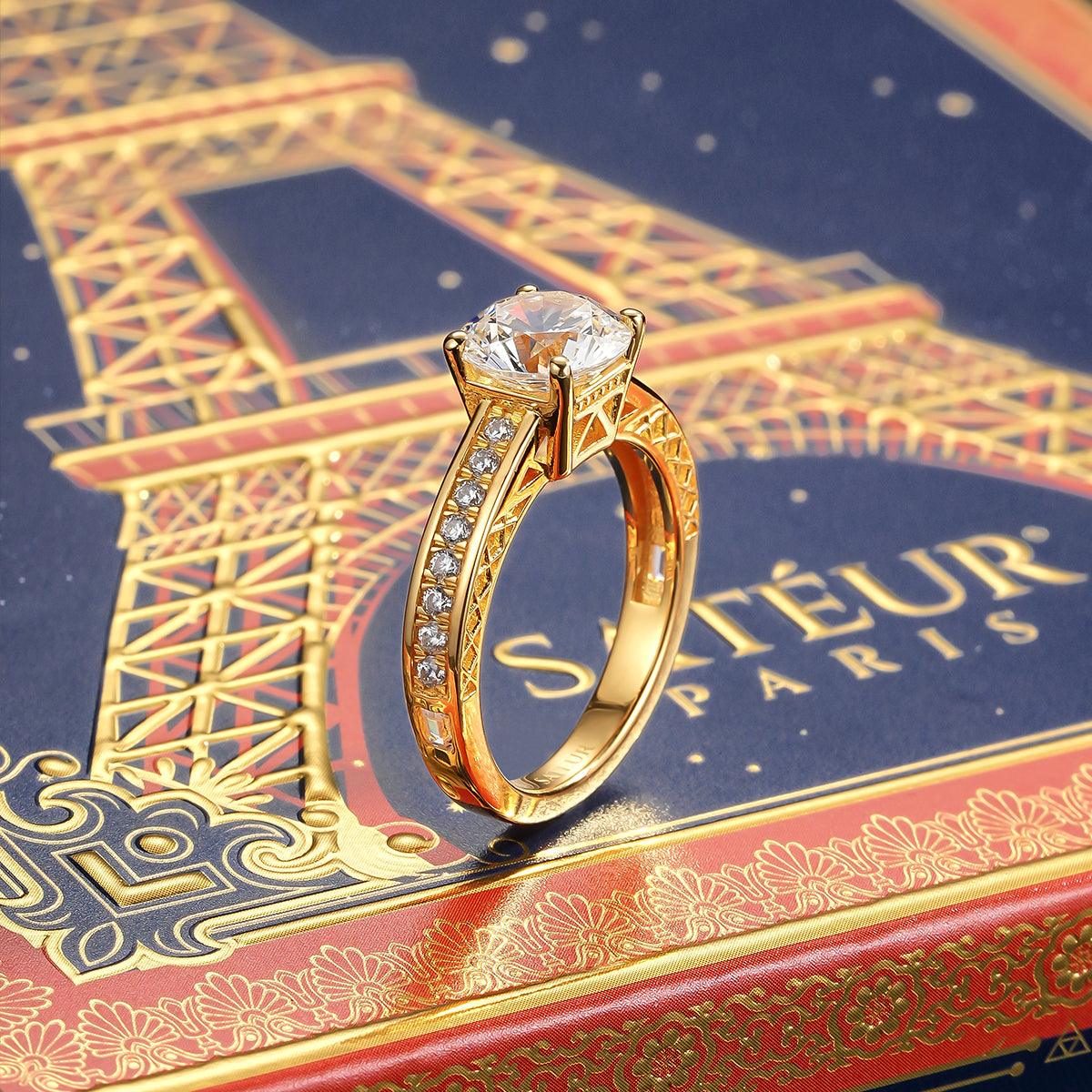
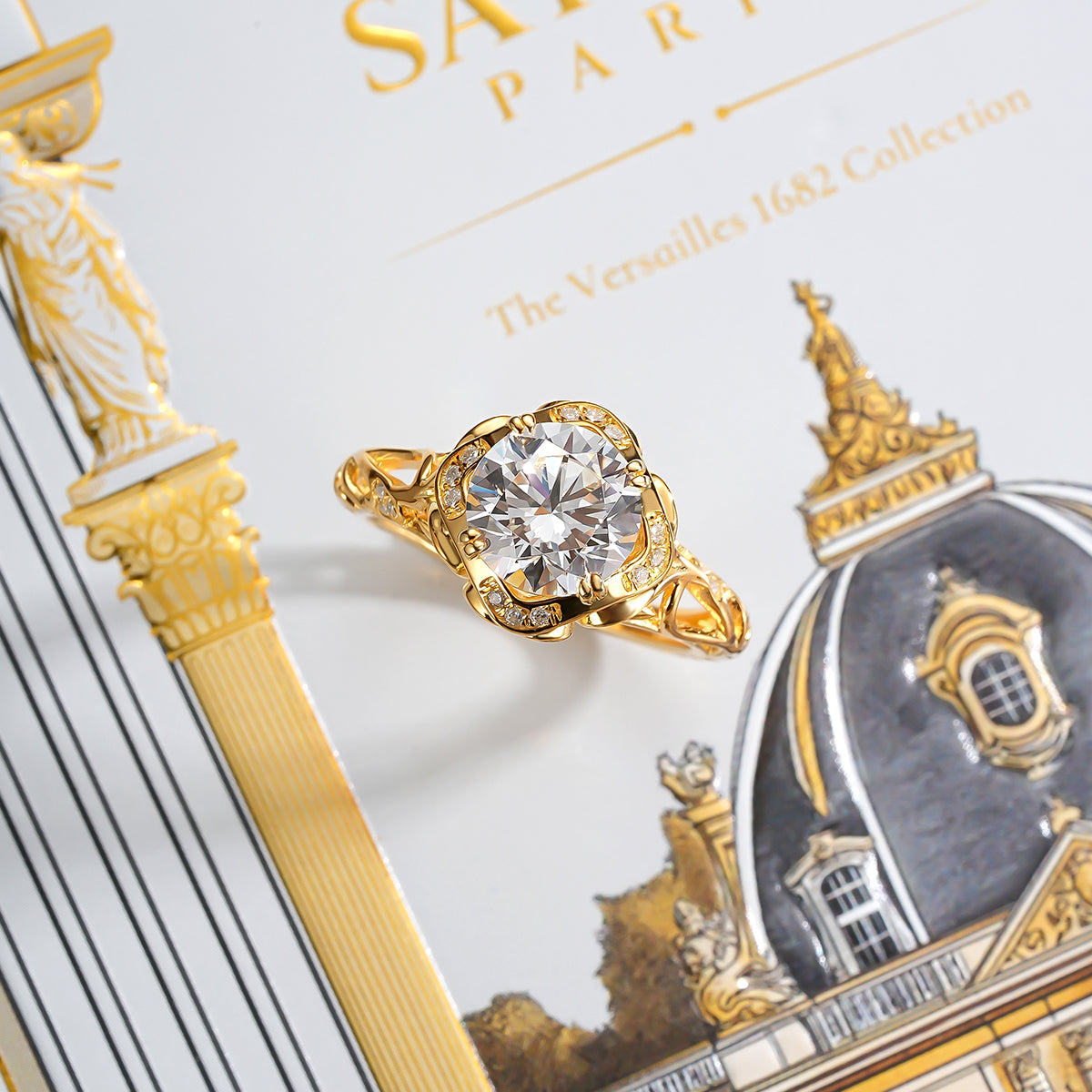
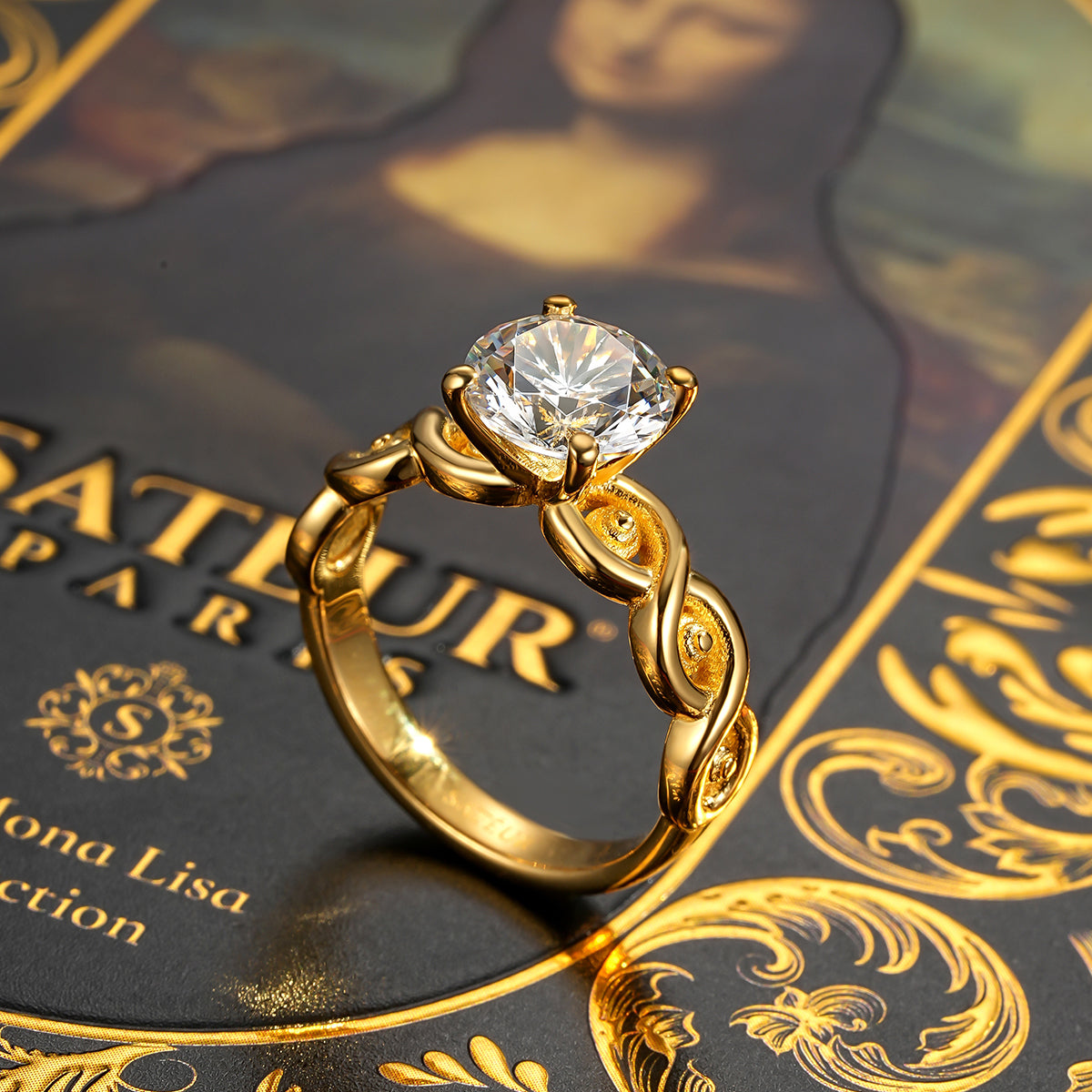
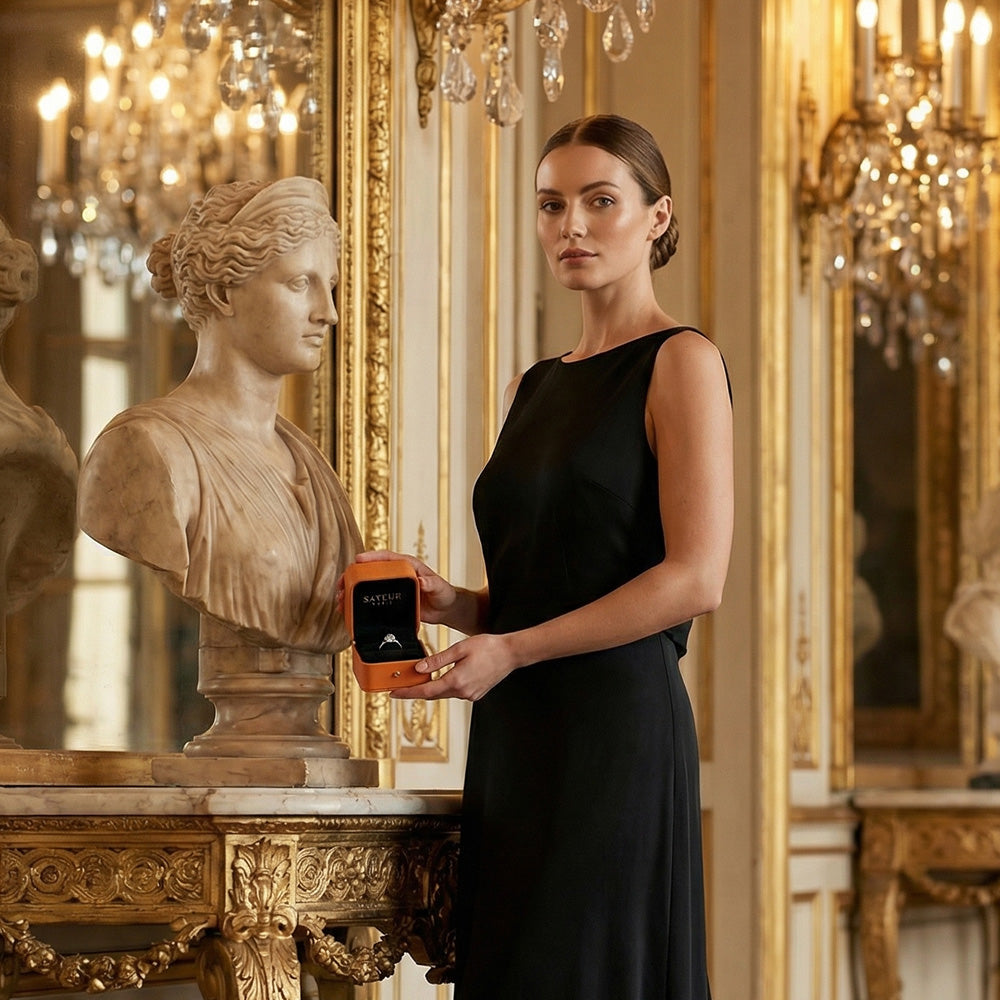
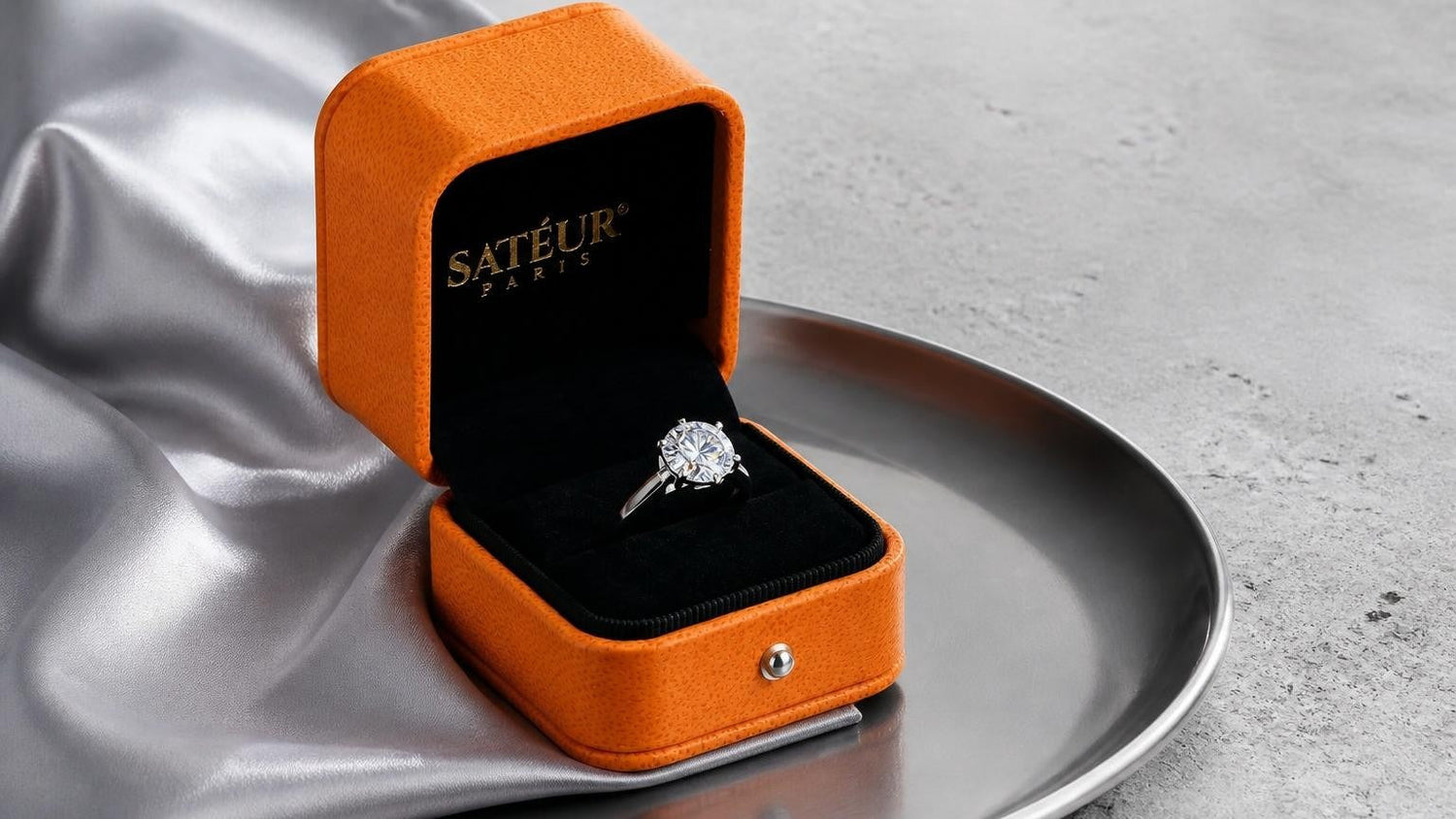
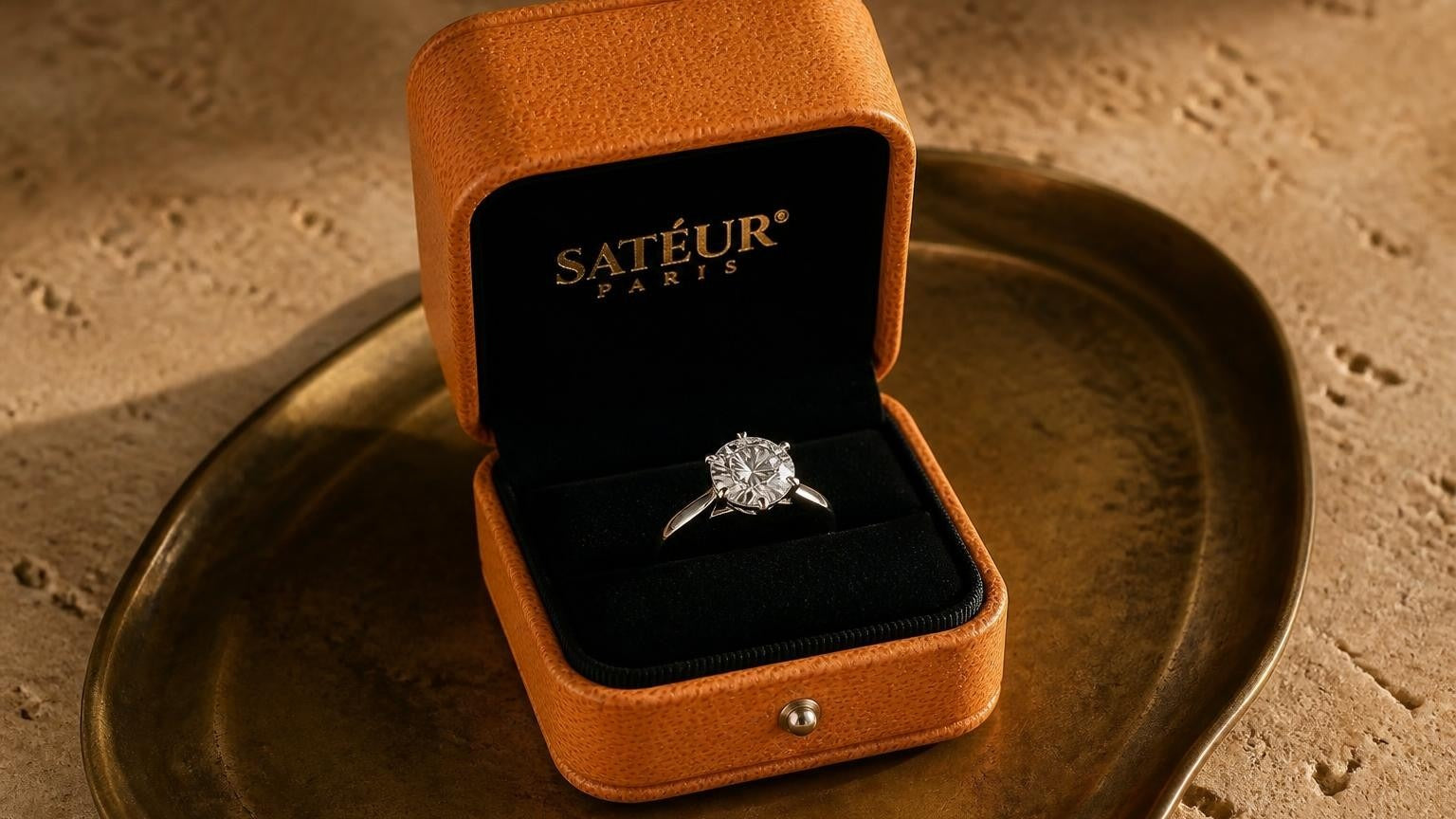
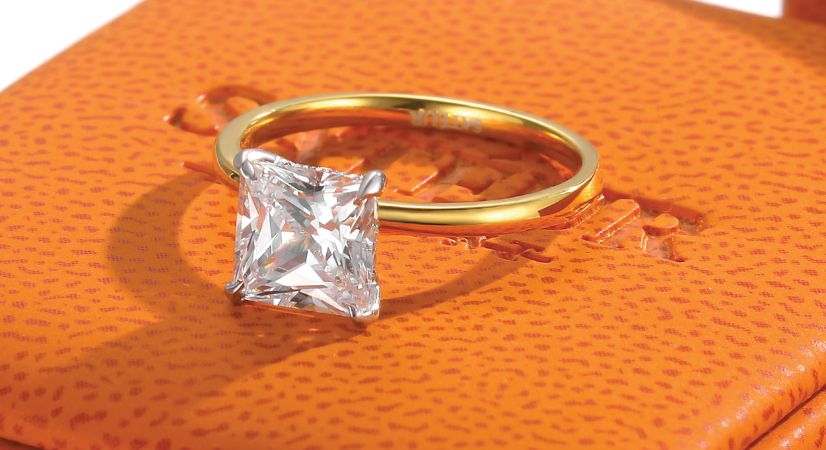
Satéur moissanite pieces are set in 18k gold finish, graded D–E colour, cut to Excellent standards. The visual presence of a diamond ring — the same clarity, the same precision — at a fraction of the cost. A comparable mined diamond can cost $4,000–$10,000 or more for one carat. A moissanite ring of equivalent presence starts from $248.
The stones are openly disclosed as moissanite throughout the purchase process. There is no misrepresentation, no substitution, and no ambiguity. For buyers who want exceptional optics and permanent durability without the mined diamond price, moissanite is the rational choice.
- D-E colour grade — engineered to premium diamond colour range
- Excellent cut — maximum light return and fire from every facet
- 18k gold finish — warm, durable setting
- Mohs 9.25 — daily-wear durability
- Fully disclosed — moissanite, openly, at every stage
Browse the full Satéur moissanite rings collection — and for further reading, see moissanite ring vs diamond ring for the detailed head-to-head.

Satéur Destinée Ring™
The look of a flawless diamond — from $138.
D-E colour · Excellent cut · 18k gold finish
Free worldwide delivery. 30-day returns. Lifetime Satéur Care.
Shop the Destinée RingFree worldwide shipping · 30-day returns · Lifetime Satéur Care
Moissanite Engagement Rings and Jewelry.
Why Moissanite Works for Everyday Rings
Moissanite has become the most widely chosen diamond alternative for engagement rings. Its combination of Mohs 9.25 durability, permanent optical stability, and D-E colour makes it the closest performing alternative to diamond for a ring worn every day.
- Engagement rings: durability and permanence make moissanite a practical long-term choice.
- Daily wear: Mohs 9.25 resists the everyday contact that scratches softer gems — no special care protocols needed.
- All jewellery types: earrings, necklaces, and bracelets benefit from the same optical intensity in a smaller stone footprint.
Fire vs Brilliance: A Preference, Not a Defect
Moissanite's fire is more intense and multicoloured than diamond's under bright light. Some prefer this — the vivid output reads as more alive. Others prefer diamond's cooler, more restrained white sparkle. Neither is objectively better; it is a matter of taste.
Frequently Asked Questions About Moissanite.
Common Questions Answered
What is the difference between moissanite and a diamond?
Composition and optical character. Diamond is pure carbon; moissanite is silicon carbide — chemically different materials. Moissanite rates 9.25 on the Mohs scale (diamond is 10), and has a higher refractive index (2.65 vs 2.42), producing approximately 2.4 times the fire of diamond. Both are permanent and durable. Moissanite costs significantly less and is fully disclosed as a distinct gemstone.
Does moissanite look like a diamond to the naked eye?
To the naked eye in most settings, D-E moissanite looks very similar to diamond. The main visible difference under bright light is moissanite's more intense multicolour fire — more rainbow flashes than diamond's cooler white sparkle. In casual conditions, the two are visually comparable. Moissanite is not sold as a diamond, and is not intended to deceive.
How durable is moissanite for an engagement ring?
Extremely durable. At Mohs 9.25, moissanite resists everyday scratching from surfaces encountered in daily life — it is second only to diamond in practical hardness. The stone's appearance does not change over time: no clouding, no surface degradation. It is well suited to a ring worn every day for decades.
Will moissanite cloud or discolour over time?
No. Moissanite is chemically stable under normal wear conditions. Unlike cubic zirconia — which clouds within one to three years of daily wear due to surface scratching — moissanite holds its optical quality permanently. The stone that arrives is the stone you wear in twenty years.
What makes moissanite a more affordable choice?
Moissanite is grown in a laboratory via a controlled process. This eliminates the extraction costs, supply chain complexity, and market premiums associated with mined diamonds. A one-carat mined diamond typically costs $4,000–$10,000; moissanite of equivalent visual presence starts from a few hundred dollars. The savings are a function of production method, not quality.
Can you wear a moissanite ring every day?
Yes. Mohs 9.25 is sufficient for daily wear — the stone resists everyday contact that would scratch softer gems. Mild soap and warm water is sufficient for cleaning. No special protocols are required. Moissanite is used in engagement rings precisely because it holds up to the demands of constant daily wear.















Leave a comment
This site is protected by hCaptcha and the hCaptcha Privacy Policy and Terms of Service apply.