



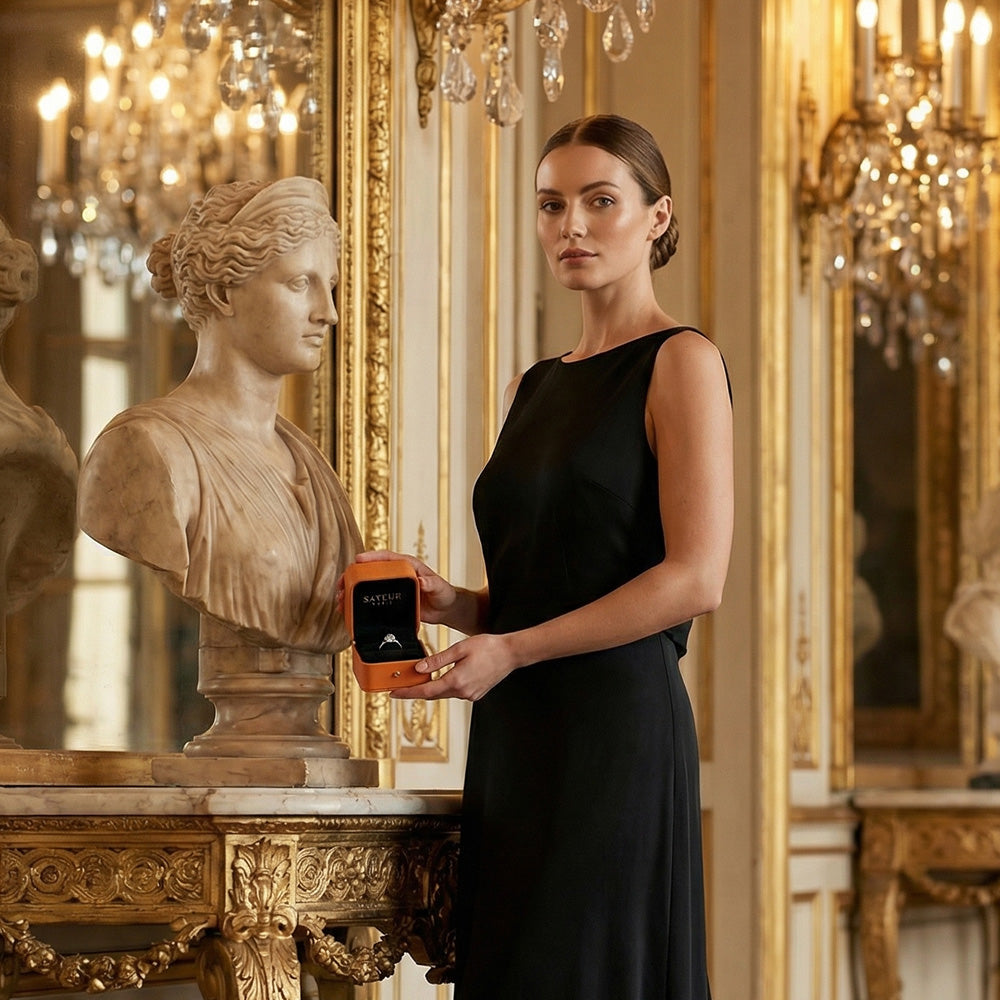
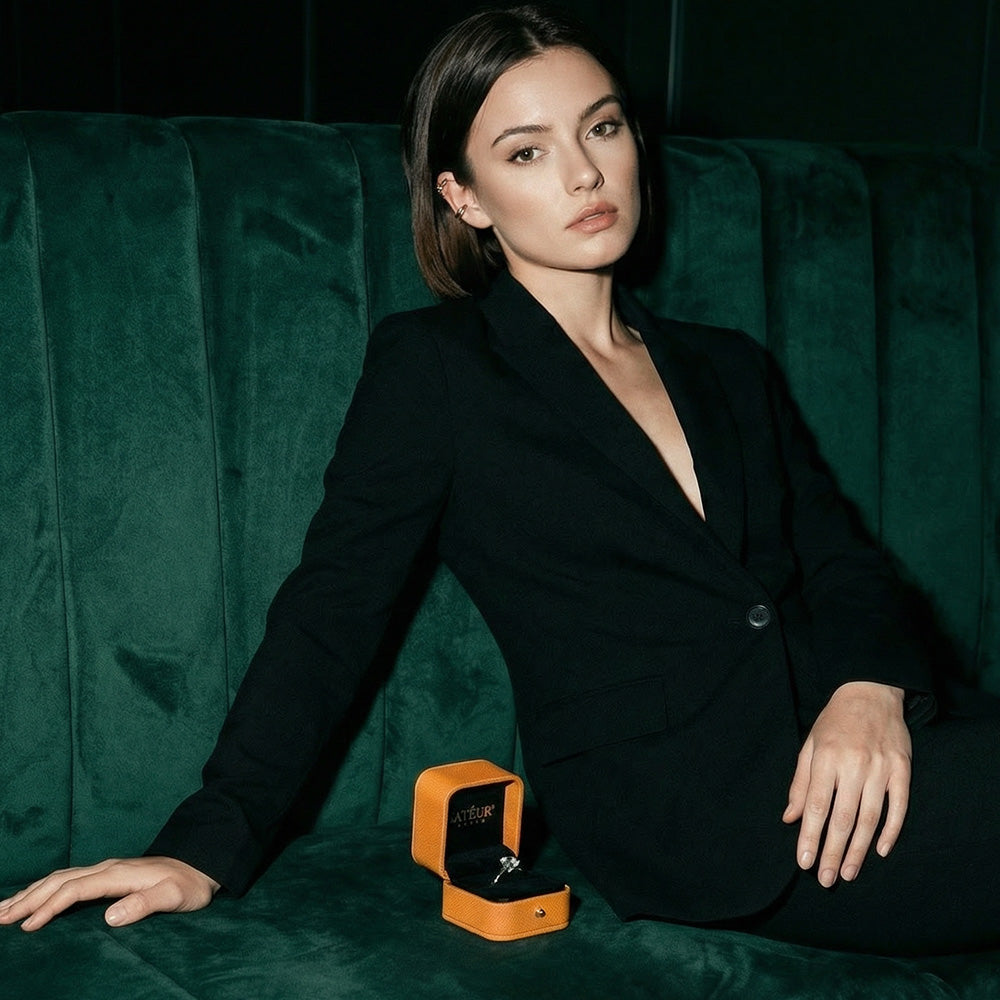
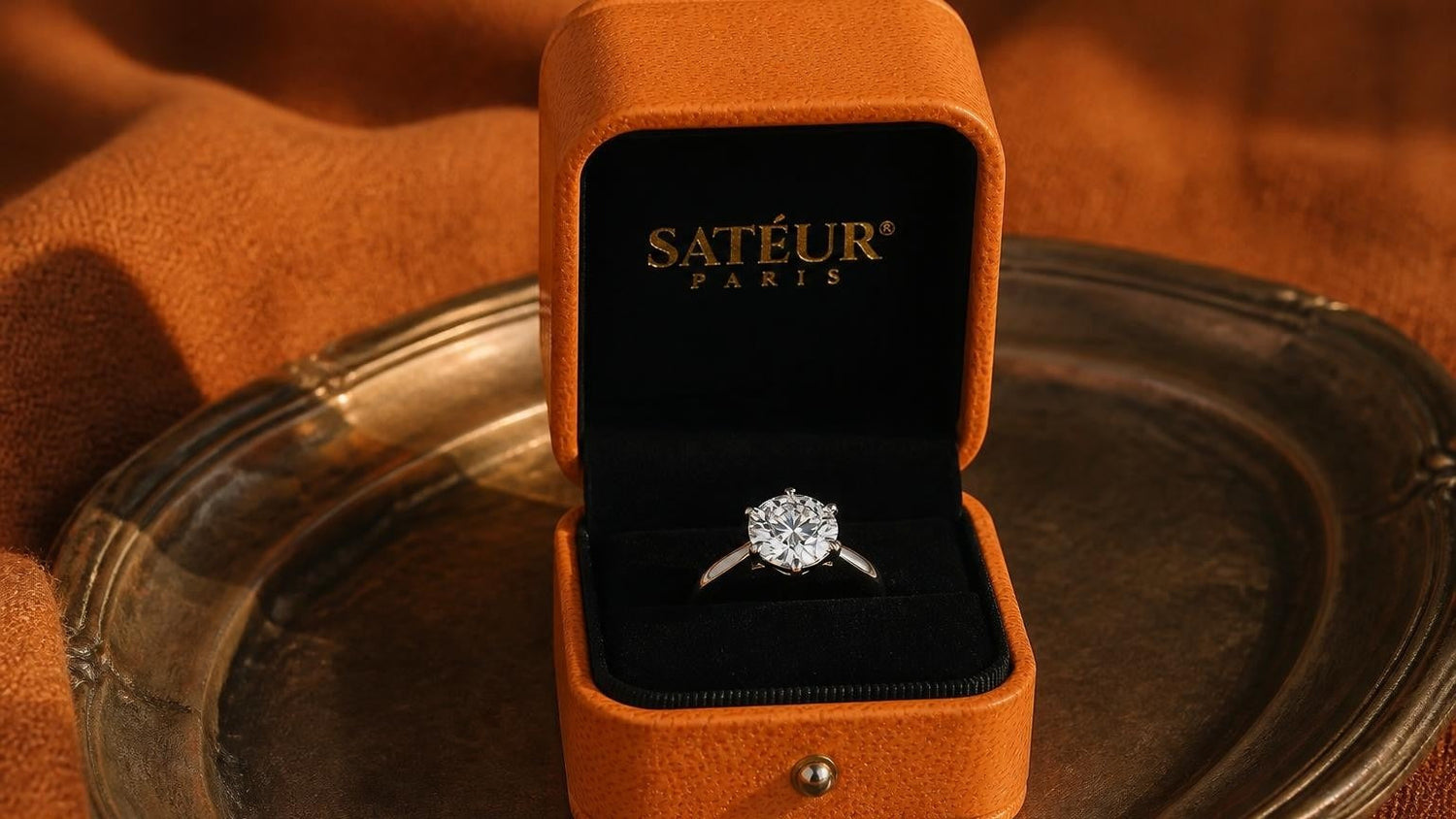
Diamond simulants — also called "fake diamonds" in everyday conversation — are stones designed to replicate the look of a mined diamond at a fraction of the cost. The main categories are cubic zirconia, white sapphire, moissanite, and specialty trademarked simulants such as Satéur Gems®. Lab-grown diamonds belong to a different class entirely: they are chemically and physically identical to mined diamonds and are not simulants. Understanding the distinction matters before any purchase decision.
Key Takeaways
- Diamond simulants encompass cubic zirconia, white sapphire, moissanite (lab-created), and specialty options like Satéur Gems®.
- Cubic zirconia rates 8–8.5 on the Mohs scale — lower than diamond at 10 — and typically clouds within one to two years of daily wear.
- White sapphire (corundum) scores 9 on Mohs hardness but shows visible light dispersion differences compared with diamond.
- Moissanite is lab-created silicon carbide with a Mohs hardness of 9.25 and approximately 2.4× the fire (light dispersion) of diamond.
- Diamond simulants are priced 90–99% lower than natural diamonds of equivalent carat appearance.

Understanding Diamond Simulants
A diamond simulant mimics the visual appearance of a diamond — its transparency, brilliance, and white colour — without sharing a diamond's chemical composition (carbon crystal lattice). The term "fake diamond" is a colloquial label; within the trade the correct term is diamond simulant or diamond look-alike.
Lab-grown diamonds are not simulants. They are grown in a controlled environment but are chemically identical to mined diamonds — same carbon structure, same hardness (Mohs 10), same optical properties. They are simply diamonds with a different origin. The distinction matters: a simulant looks like a diamond; a lab diamond is a diamond.
Simulants appeal for one primary reason: price. A one-carat mined diamond retails from roughly $4,000–$10,000 depending on cut and clarity. A visually equivalent simulant starts from a few dozen dollars for cubic zirconia and reaches a few hundred for premium options. For anyone prioritising the look without the mining premium, simulants are a rational, informed choice.
Common Types of Diamond Simulants
The four simulant types most widely sold today differ in durability, optical character, and price. Here is an honest per-stone overview before deeper treatment in the sections below.
| Stone | Mohs Hardness | Refractive Index | Fire vs Diamond | Longevity | Typical Entry Price |
|---|---|---|---|---|---|
| Cubic Zirconia | 8.0–8.5 | 2.15–2.18 | Lower | Clouds in 1–3 years | Under $20 |
| White Sapphire | 9.0 | 1.76–1.78 | Lower — milky appearance | Durable; needs polishing | $50–$200+ |
| Moissanite | 9.25 | 2.65–2.69 | ~2.4× diamond's fire | Permanent | $300–$600+ per carat |
| Satéur Gems® (trademarked simulant) | ~9.25 | ~2.39–2.65 | Clean white brilliance | Permanent | From $68 |
Cubic Zirconia: Appearance and Durability
Cubic zirconia is the most widely produced diamond simulant in the world. Made from zirconium dioxide, it is synthesised in laboratory conditions and sold at price points from a few dollars for loose stones to tens of dollars in finished jewellery. At first glance under bright light, CZ can appear brilliant — its RI of 2.15–2.18 produces reasonable sparkle, and it is optically flawless by default.
The durability picture is less encouraging. At Mohs 8–8.5, CZ sits below both moissanite and diamond in scratch resistance. Everyday exposure to dust, fabric, and hard surfaces accumulates fine surface scratches. These scatter light rather than returning it cleanly, producing the characteristic clouded, dull look that most CZ pieces develop within one to three years of daily wear.
- Mohs hardness: 8.0–8.5
- Refractive index: 2.15–2.18
- Dispersion (fire): 0.066 — slightly higher than diamond (0.044) in some lighting conditions, but surface degradation makes this academic over time
- Longevity: visible clouding typically within 1–3 years of daily wear
- Best use: fashion and occasional-wear jewellery, or as a placeholder stone
CZ is a legitimate budget option for anyone who expects to replace or upgrade a piece within a year or two. It is not, however, a long-term substitute for fine-jewellery wear.

White Sapphire as a Diamond Alternative
White sapphire is the colourless variety of corundum — the same mineral family as blue sapphire and ruby. At Mohs 9, it is a genuinely durable stone suited to everyday jewellery wear. It will not cloud the way CZ does, and surface scratching is less of a concern over years of use.
The optical trade-off is significant. White sapphire's refractive index of 1.76–1.78 is notably lower than diamond (2.42), moissanite (2.65–2.69), or CZ (2.15–2.18). The result to the naked eye is a milky, somewhat flat appearance — less sparkle and considerably less fire. Visually, it reads as a white stone rather than a diamond-look stone, and the difference is apparent without close examination.
White sapphire makes sense for buyers who prioritise durability and a clean, understated look over maximum brilliance. As a diamond simulant in the narrow sense — replicating the intense light return of a diamond — it falls short compared with moissanite or premium diamond simulants.
Moissanite: Lab-Created Gemstone Overview
Moissanite is a lab-created gemstone of silicon carbide, first discovered naturally in 1893 in a meteorite crater by Henri Moissan. Natural moissanite is exceptionally rare; virtually all moissanite sold today is grown in laboratory conditions and is openly disclosed as such by reputable retailers.
Its specifications position it at the premium end of the simulant market. At Mohs 9.25, moissanite is harder than any simulant aside from diamond (Mohs 10) and retains its optical quality permanently. Its refractive index of 2.65–2.69 exceeds diamond's 2.42, and its dispersion (fire) is approximately 2.4× that of diamond. In candlelight or coloured light, this produces vivid rainbow fire that is noticeably different from diamond's predominantly white brilliance — more colourful, more intense.
- Mohs hardness: 9.25 — highly scratch-resistant, suited to everyday fine jewellery
- Refractive index: 2.65–2.69
- Fire: ~2.4× diamond's dispersion — vivid rainbow fire visible in most lighting
- Longevity: permanent — no clouding, no degradation with age
- Origin: lab-created silicon carbide, openly disclosed
Moissanite is the durability standard among diamond simulants. Its rainbow fire reads differently from diamond — an informed eye will notice the difference — but many buyers prefer that character. Satéur offers a dedicated range of moissanite rings, openly disclosed and starting from $698 for the Aurous Gold tier.

Satéur Gems®: Diamond-Look Value Proposition
Satéur Gems® is a trademarked diamond simulant. Its composition is proprietary and not publicly disclosed — the Swarovski model applied to a diamond-look stone. What is disclosed: D-E colour grade, Excellent cut, Mohs hardness approximately 9.25, and a clean white brilliance that replicates the look of a flawless diamond.
The distinction from moissanite is optical: where moissanite produces 2.4× diamond's fire — vivid and colourful — Satéur Gems® is calibrated to produce the clean white brilliance of a flawless diamond rather than rainbow dispersion. The resulting visual is, to the naked eye, closer to what most people associate with a diamond look.
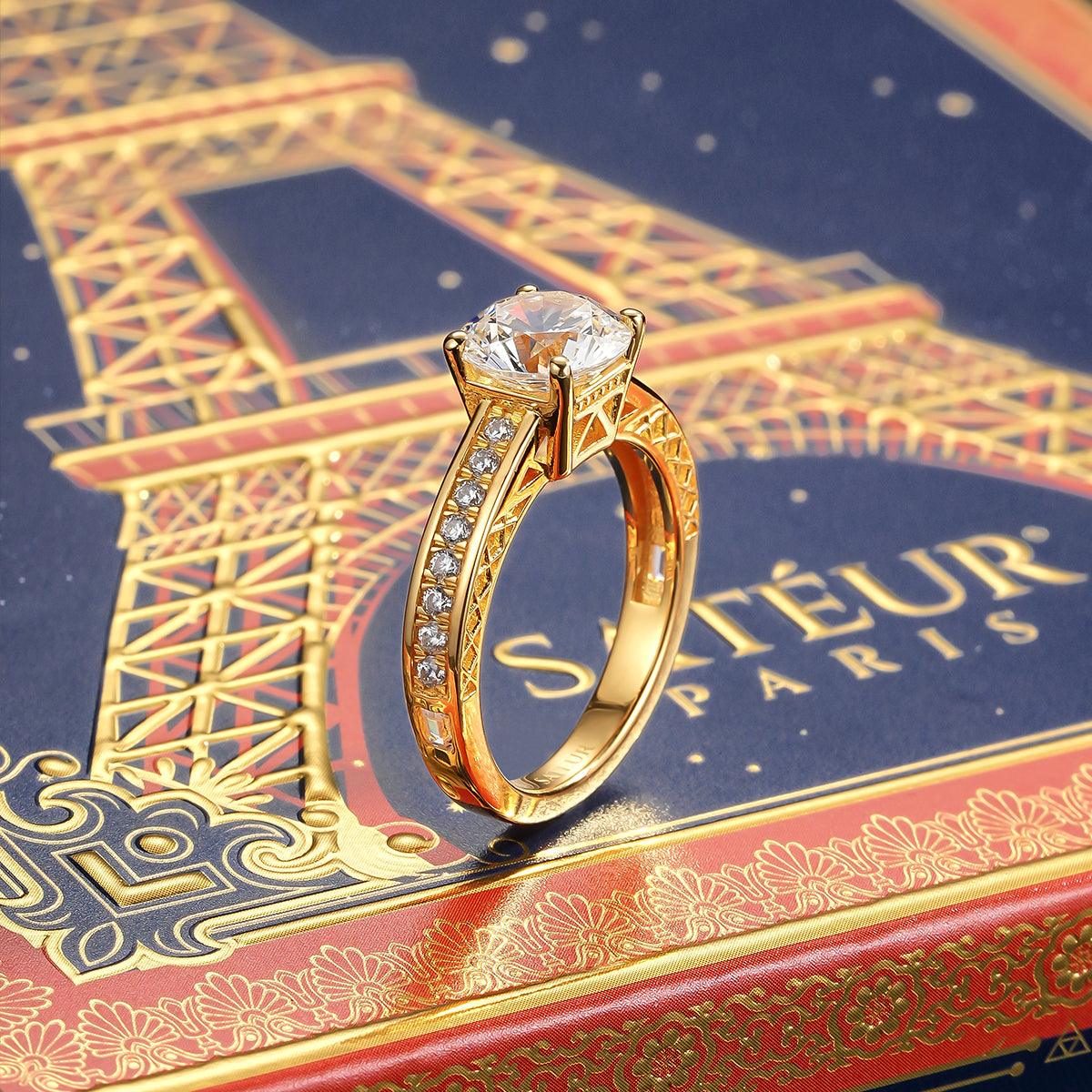
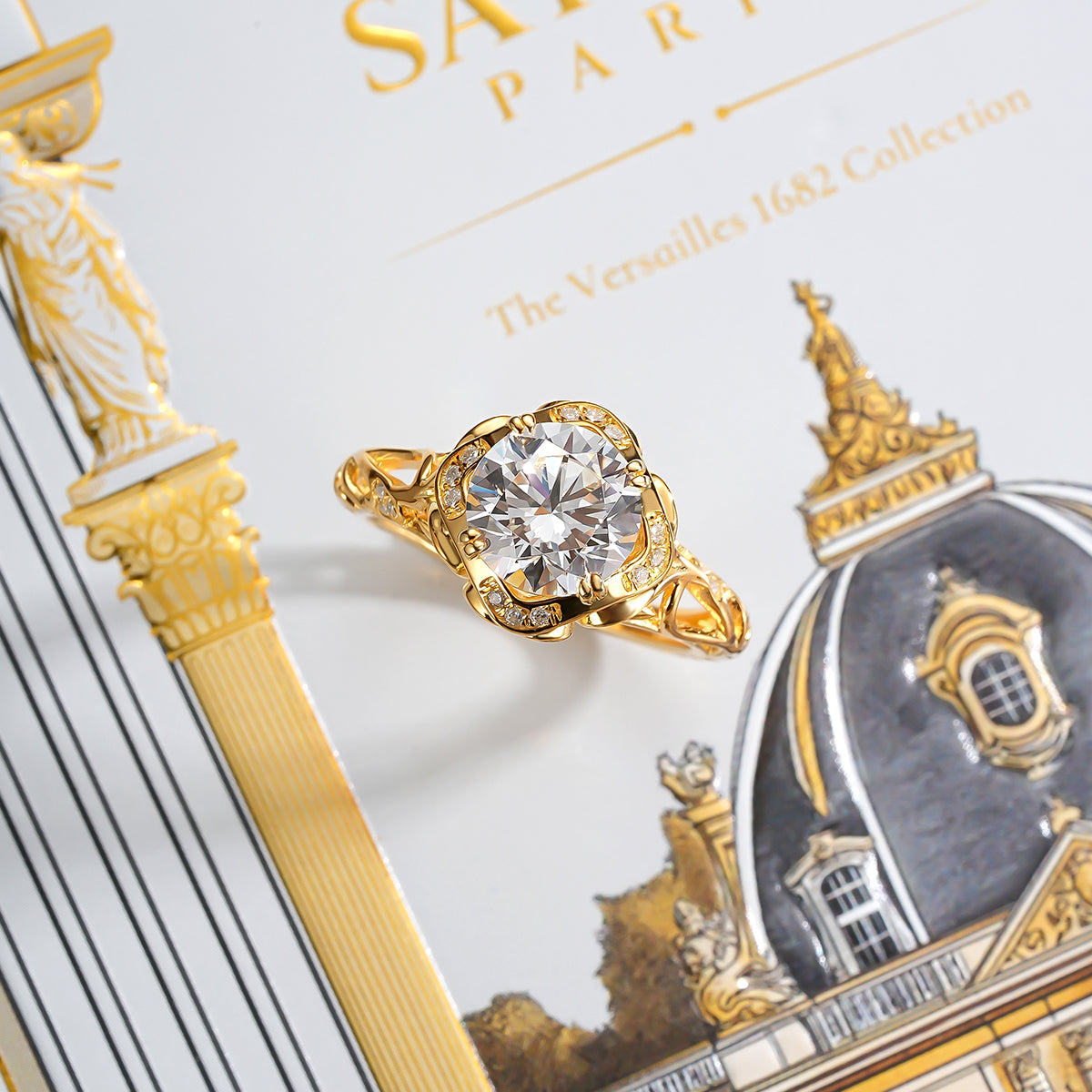
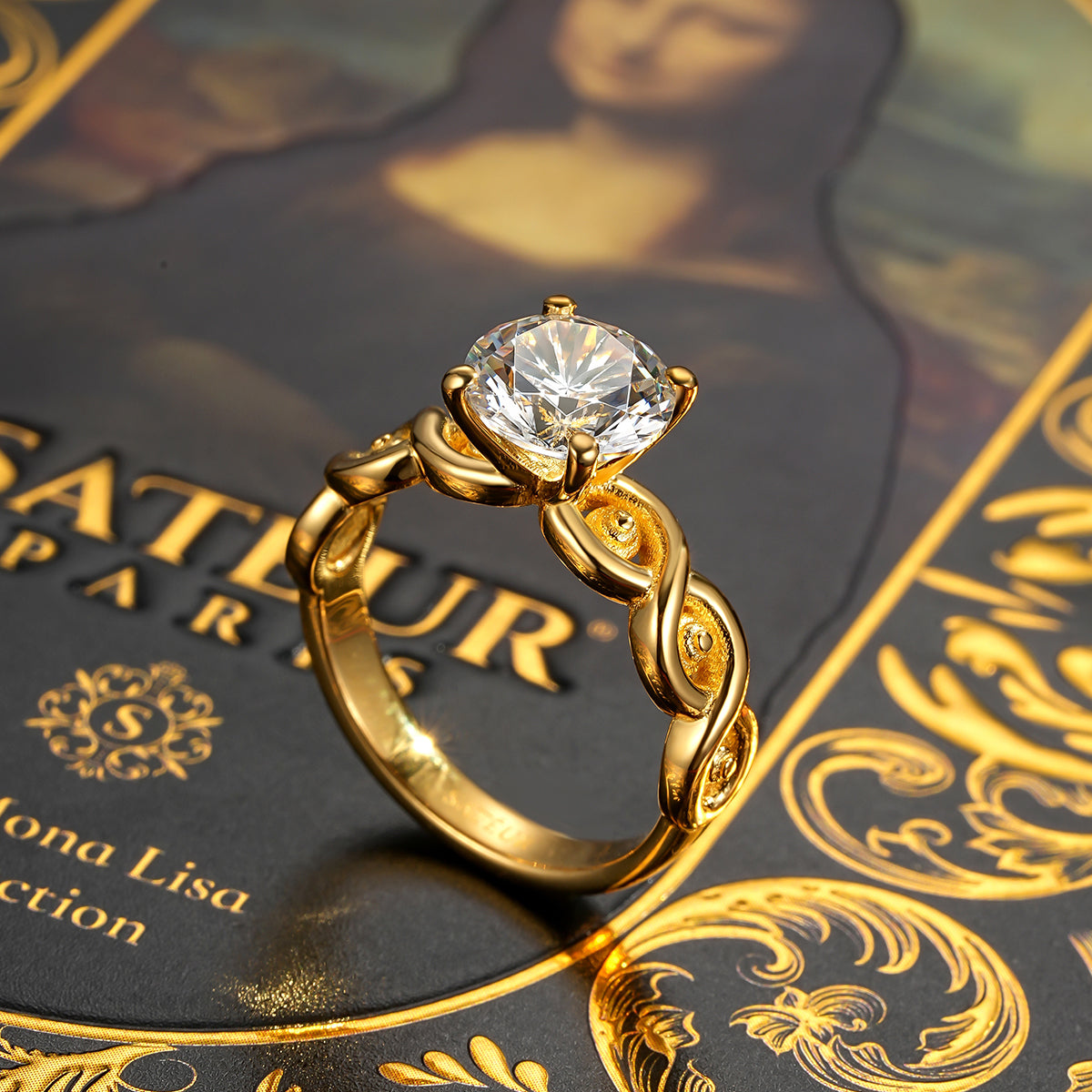
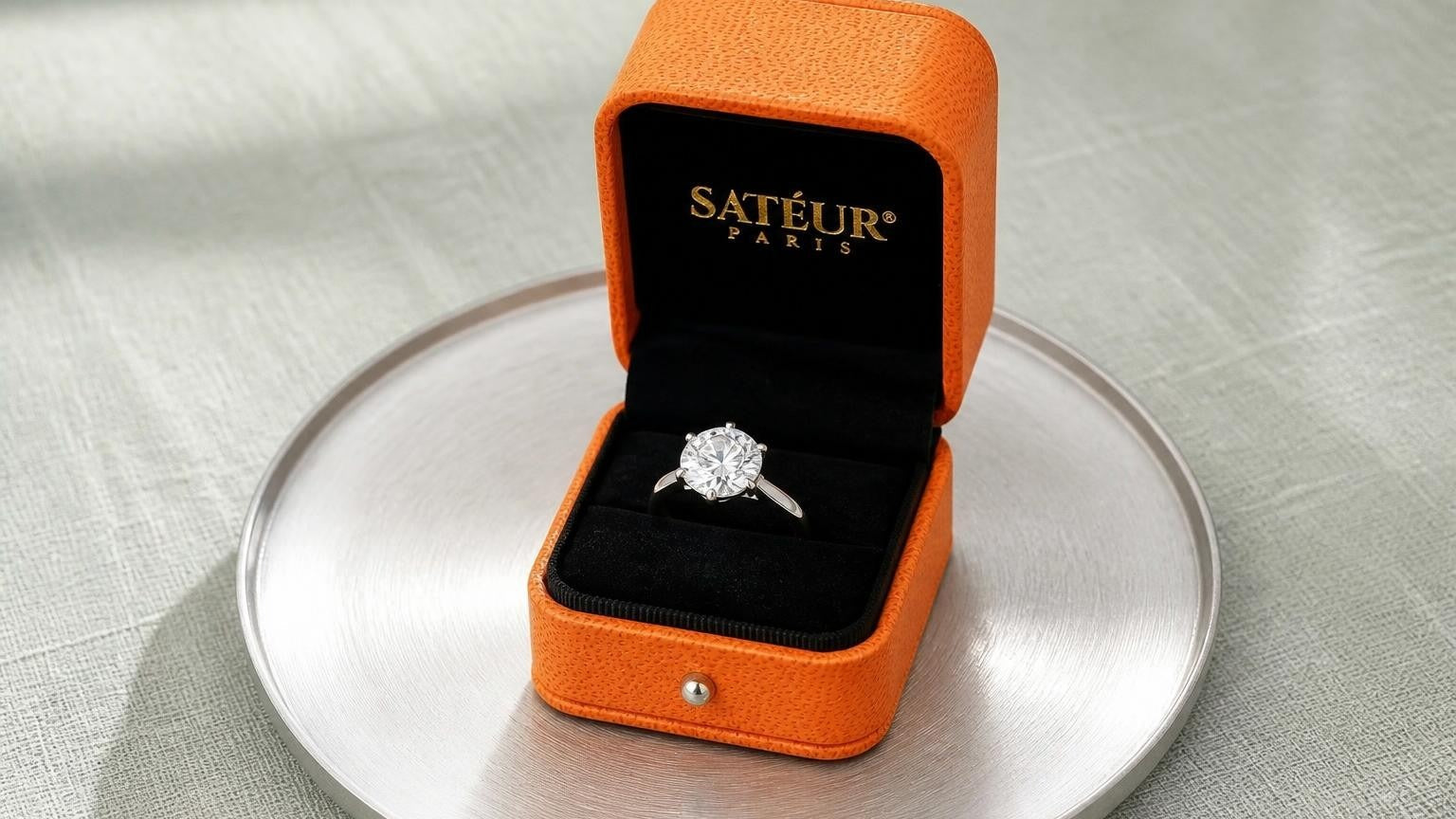
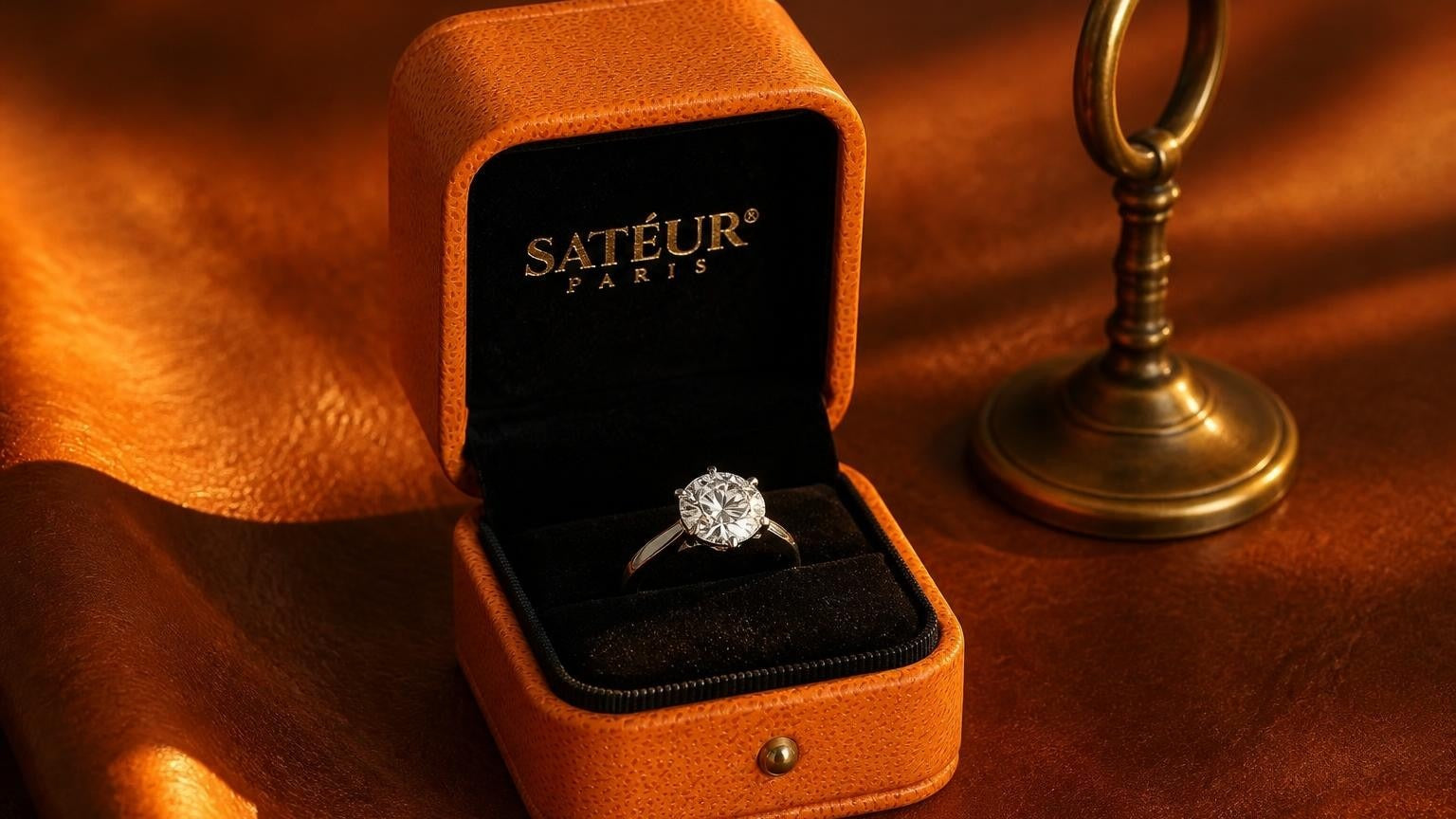
Satéur Gems® rings start from $68, compared with $4,000–$10,000 for a one-carat mined diamond of comparable visual appearance — approximately 1% of the cost. The Satéur Destinée Ring™ is the entry piece: 1.00 carat round cut, 18k gold finish, D-E colour. The brand describes it as The 1% Ring® — the look of a flawless diamond for 1% of the price.
How Diamond Simulants Compare in Price
The price differential between mined diamonds and diamond simulants runs from approximately 90% to 99% depending on the simulant tier. A one-carat mined diamond at D colour, VS1 clarity, Excellent cut retails from around $6,000–$12,000. The visual equivalent in simulant form spans a wide range:
| Category | Approximate Price Range | vs 1ct Mined Diamond ($8K avg) |
|---|---|---|
| Cubic zirconia ring | $10–$50 | ~99.4% less |
| White sapphire ring | $80–$400 | ~95–99% less |
| Satéur Gems® ring (from $68) | $68–$398 | ~99% less |
| Moissanite ring | $300–$1,500+ | ~80–96% less |
| Lab-grown diamond ring | $500–$3,000 | ~60–94% less |
| Mined diamond ring | $4,000–$25,000+ | — |
The lab-grown diamond market has compressed pricing significantly since 2020, narrowing the gap between lab diamonds and premium simulants. That said, even lab diamonds remain 5–10× the cost of the best simulant options for comparable visual presence.
Naked-Eye Appearance Across Simulant Types
The most meaningful question for most buyers is not which stone tests at what specification — it is what a stone looks like visually, in ordinary light, in an ordinary social setting. The differences are real but vary significantly by viewing distance and lighting conditions.
Cubic zirconia when new can appear bright and clear. Up close, in good lighting, an experienced eye may notice slightly more rainbow dispersion than diamond. Over time — one to three years of daily wear — the surface dulls and cloudiness becomes apparent without close examination. Visibility to the naked eye increases as the stone ages.
White sapphire reads white but lacks the intensity of a diamond's light return. In direct bright light, the sparkle appears muted and somewhat diffuse compared with any of the other options. The difference is visible to the naked eye at moderate distance.
Moissanite produces noticeably more fire — colourful rainbow dispersion — than diamond. In candlelight, coloured ambient light, or any warm-toned setting, this is visible to the naked eye and is the stone's signature characteristic. Buyers who prefer this look prefer moissanite; buyers seeking a diamond-accurate look sometimes find it too vivid.
Satéur Gems® is calibrated to produce clean white brilliance that replicates a flawless diamond's optical character. Visually, to the naked eye and at social distances, the look is consistent with fine diamond jewellery. The stone is an informed buyer's choice for maximum diamond likeness at simulant pricing.
For further context on how simulants compare with real diamonds in everyday wear, see real diamonds vs fake diamonds: spotting the differences. For an overview of ring options across the simulant spectrum, see fake diamond rings: a buyer's guide and best fake diamond rings: what you need to know.

Choosing a Diamond Simulant for Your Jewelry
The right simulant depends on three factors: intended wear pattern, visual priority, and budget.
For daily engagement-ring wear, moissanite or a premium simulant like Satéur Gems® is the correct choice. Both offer Mohs 9.25 hardness and permanent optical quality. Cubic zirconia is not well-suited to everyday fine-jewellery wear; degradation is a certainty, not a risk.
For optical preference, the choice is between moissanite's vivid rainbow fire and a diamond simulant's clean white brilliance. Neither is objectively superior — it is a matter of taste and the degree to which the buyer wants the look to read as diamond-accurate.
For maximum value, Satéur Gems® delivers the closest diamond look at the lowest price point of any permanent simulant. A Satéur Destinée Ring™ starts from $68 — compared with $10,000+ for a one-carat mined diamond ring of equivalent visual quality. The Satéur engagement ring collection includes multiple cuts, carat weights, and metal finishes within the same value framework.

Satéur Destinée Ring™
The look of a flawless diamond — from $138.
D-E colour · Excellent cut · 18k gold finish
Free worldwide delivery. 30-day returns. Lifetime Satéur Care.
Shop the Destinée RingFree worldwide shipping · 30-day returns · Lifetime Satéur Care
Frequently Asked Questions About Fake Diamonds
What is the difference between a diamond simulant and a lab-grown diamond?
A diamond simulant replicates the visual appearance of a diamond but has a different chemical composition — examples include cubic zirconia, moissanite, and white sapphire. A lab-grown diamond is chemically and physically identical to a mined diamond (pure carbon in a crystal lattice, Mohs 10) and is not a simulant. The distinction is fundamental: simulants look like diamonds; lab-grown diamonds are diamonds.
Which diamond simulant offers the longest durability for everyday wear?
Moissanite and premium trademarked simulants such as Satéur Gems® both rate approximately Mohs 9.25 and retain their optical quality permanently. Either is suited to daily engagement-ring wear. Cubic zirconia (Mohs 8–8.5) is the least durable — visible surface degradation typically develops within one to three years of daily wear. White sapphire (Mohs 9) is durable but may require periodic professional polishing to maintain clarity.
Can you see the difference between a cubic zirconia and a real diamond without magnification?
When CZ is new, the difference is subtle to an untrained observer in ordinary lighting. Over time — typically one to three years of daily wear — surface scratching produces visible clouding that is apparent to the naked eye without close examination. The durability difference, not the initial optical difference, is what makes CZ visually distinguishable from diamond over time.
How does moissanite's sparkle compare to diamond?
Moissanite produces approximately 2.4× the fire (light dispersion) of diamond. In practical terms, it generates vivid, colourful rainbow sparkle — more intense and more colourful than diamond's predominantly white brilliance. The difference is visible to the naked eye in most lighting conditions, particularly warm or coloured ambient light. Some buyers prefer moissanite's vivid fire; others seeking a closer diamond likeness choose a clean-white simulant such as Satéur Gems®.
What colour grades are available in diamond simulants?
Premium diamond simulants — including Satéur Gems® and quality moissanite — are available in D-E colour grade equivalent, representing the highest colourless tier on the GIA scale. Cubic zirconia is optically flawless and colourless by default when new. White sapphire is naturally colourless but may carry faint grey or blue tints depending on origin.
Why choose a diamond simulant over a mined diamond for fine jewelry?
The primary reason is price: diamond simulants are priced 90–99% below mined diamonds of equivalent visual size and colour. For buyers who prioritise the look of a diamond without the mining premium — or who want to allocate the saving to travel, a home, or other life priorities — simulants are a rational informed choice. Premium simulants at Mohs 9.25 are also permanent in daily wear, eliminating the durability trade-off associated with lower-grade options.















Leave a comment
This site is protected by hCaptcha and the hCaptcha Privacy Policy and Terms of Service apply.